


When planning home improvements, the terms “remodel” and “renovate” are often used interchangeably, yet they represent distinctly different approaches to transforming your living space. Understanding this difference is important for setting realistic expectations about costs, timelines, and results.
A renovation refreshes or updates existing elements without changing a home’s fundamental structure. Think of it as giving your space a facelift rather than reconstructing it. Renovations are typically less invasive, more cost-effective, and often DIY-friendly.
- Common renovation projects include painting walls, replacing flooring, updating fixtures, installing new countertops, or refreshing cabinet hardware
- Renovations generally preserve the original purpose and layout of spaces
- Most renovation work doesn’t require extensive permitting or city approvals
In contrast, remodeling involves substantial structural changes that alter a space’s layout, purpose, or functionality. These projects typically transform how you use your South Texas home, not just how it looks.
- Remodeling examples include removing or adding walls, expanding rooms, changing floor plans, moving plumbing, or adding an extension
- These projects often require professional contractors, architects, or specialized tradespeople
- Remodels nearly always need building permits and must comply with local building codes
The distinction matters significantly for your project planning. Remodels generally cost more, take longer to complete, and involve more complex planning than renovations. Understanding which approach you need helps establish realistic budgets, timelines, and expectations for your home transformation project.
Weighing the Pros and Cons: Which Is Right for Your South Texas Home?
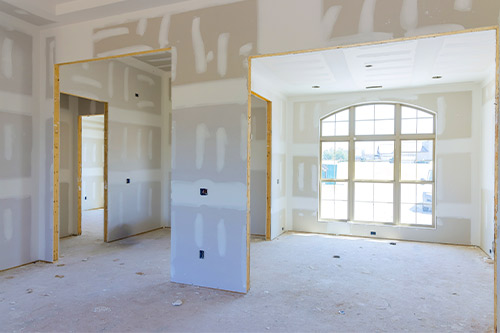
Once you understand the difference between remodeling and renovating, the next step is evaluating which approach best suits your specific needs. Both options offer distinct advantages and limitations that should align with your goals, budget, and timeline.
Comparing Renovation vs. Remodeling
Before deciding which option fits your goals, it’s helpful to weigh the pros and cons of each approach. While both aim to enhance your living space, they differ in cost, complexity, and overall impact. The table below outlines the key advantages and limitations of renovation versus remodeling:
| Approach | Advantages | Limitations |
| Renovation | • Lower cost (often hundreds vs. thousands) • Quick completion (days vs. weeks/months) • Higher ROI potential • Often DIY-friendly |
• Doesn’t address structural issues • Often a short-term fix • Cannot alter floor plans or functionality • Limited scope for personalization |
| Remodeling | • Significantly improves functionality • Extends home lifespan • Creates custom spaces tailored to needs • Can increase property value substantially |
• Higher costs (averaging $47,000 for multiple rooms) • Longer timelines and more disruption • Requires permits and professional help • More complex planning and execution |
Your decision should be guided by how long you plan to remain in your home. If you’re planning to sell soon, focus on strategic renovations with high ROI, like updated bathrooms or refreshed kitchens. For a “forever home,” investing in a remodel that enhances functionality and addresses your family’s evolving needs often makes more sense, despite the higher upfront costs.
Planning Your Home Transformation: Budget, Financing, and Process
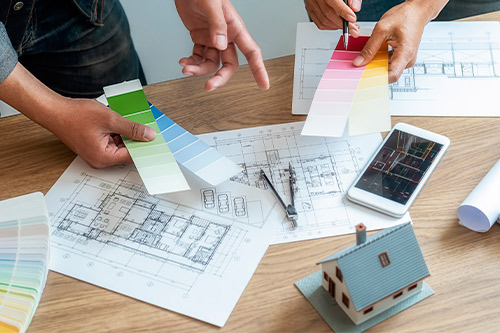
Once you’ve decided whether to renovate or remodel, careful planning becomes essential for project success. Breaking down the costs is your first step: renovations typically range from $15 to $60 per square foot, while remodeling projects can average $47,000 for multiple rooms. For perspective, a light renovation of a 2,500-square-foot home might cost around $15,000, while comprehensive remodels can reach $190,000 or more.
Several financing options can help make your project affordable:
- In-house financing through builders like Guzman Construction, potentially saving up to $15,000 on construction costs
- Personal loans, offering rates from 5% to 36% based on credit and income
- Home equity loans provide lump-sum funding at potentially lower rates
- HELOCs (Home Equity Lines of Credit), allow flexible borrowing during your project
Working with experienced professionals is indispensable, especially for complex remodels requiring permits and specialized expertise. Additionally, implementing annual home inspections helps identify potential issues before they become costly problems. Regular checks of your roof, gutters, walls, and windows can prevent minor concerns from developing into major expenses.
Bringing Your Vision to Life: Choosing the Right Builder and Showcasing Results

Even the most well-planned home transformation requires the right partner to execute it properly. Selecting a reputable, experienced builder committed to quality and customer service can make the difference between a dream realized and a renovation nightmare.
Quality builders like Guzman Construction stand out by making the building process seamless, delivering finished products that meet budgets and timelines while exceeding expectations. Being second-generation home builders, they showcase the qualities Texas homeowners should prioritize when choosing a contractor, clearly demonstrated in their current projects. When choosing a home builder, keep these key factors in mind:
- Look for builders who assist through every step of the process, from initial design to final walkthrough
- Prioritize contractors who use premium materials and offer transparent pricing
- Consider builders who implement energy-saving features, helping reduce future utility costs
- Review portfolios showcasing diverse projects, including bathrooms, kitchens, exteriors, and interiors
Successful transformations speak for themselves. Properties like 41 Nemont Estate and 106 Shary Estates demonstrate how professional builders bring visions to life, whether through comprehensive remodels or targeted renovations. These projects showcase not just aesthetic improvements but functional enhancements that improve daily living.
As you envision your ideal South Texas home transformation, remember that the journey from concept to completion requires both clear planning and the right execution partner. With a reputable builder by your side, you can approach your renovation or remodel with confidence, knowing your investment will result in a space that truly reflects your vision and enhances your quality of life.
If you are looking to create a stunning renovated home or remodeled home, remember that Guzman Construction is here to guide you every step of the way. We prioritize quality and Texas customer satisfaction so that your project meets your expectations and budget. Explore our portfolio of stunning transformations and discover how we can bring your vision to life. Start your journey towards a more beautiful and functional home today!
FAQs about remodeling and renovating for your South Texas Home

1. How do I know if my home project needs a permit?
Permits are generally required for projects that involve structural changes, electrical rewiring, plumbing relocation, or adding square footage. Cosmetic updates like painting, flooring, or replacing fixtures usually don’t require permits. Always check your local building codes to avoid fines or delays. Your reputable contractor would know the answers and requirements!
2. What are some signs my home needs a remodel instead of a renovation?
If your home has outdated layouts, insufficient space, or structural issues, a remodel is often the better choice. For example, if you need an open-concept kitchen or additional bedrooms, renovation alone won’t meet your needs.
3. Which home improvements add the most value when selling?
Kitchens and bathrooms typically offer the highest return on investment. Adding energy-efficient features, updated flooring, and curb appeal improvements can also significantly boost resale value.
4. Can I live in my home during a major remodel?
It depends on the scope of work. Small renovations can often be completed without moving out, but large-scale remodels involving plumbing, electrical, or structural changes may require temporary relocation for safety and convenience.
5. How can I keep my project on budget?
Set a clear budget upfront, include a 10–20% contingency for unexpected costs, and work with a contractor who provides transparent pricing and detailed contracts. Avoid frequent design changes mid-project to prevent cost overruns.
6. Are there eco-friendly options for remodeling or renovating?
Yes! Consider energy-efficient windows, low-VOC paints, sustainable flooring materials, and water-saving fixtures. Builders who prioritize green practices can also help reduce your long-term utility costs.