
Author: alien

Remodel or Renovate? Navigating South Texas Home Transformation

A couple perched on a ladder in a vacant room, discussing their plans for remodeling versus renovating the space.

When planning home improvements, the terms “remodel” and “renovate” are often used interchangeably, yet they represent distinctly different approaches to transforming your living space. Understanding this difference is important for setting realistic expectations about costs, timelines, and results.

A renovation refreshes or updates existing elements without changing a home’s fundamental structure. Think of it as giving your space a facelift rather than reconstructing it. Renovations are typically less invasive, more cost-effective, and often DIY-friendly.

  • Common renovation projects include painting walls, replacing flooring, updating fixtures, installing new countertops, or refreshing cabinet hardware
  • Renovations generally preserve the original purpose and layout of spaces
  • Most renovation work doesn’t require extensive permitting or city approvals

In contrast, remodeling involves substantial structural changes that alter a space’s layout, purpose, or functionality. These projects typically transform how you use your South Texas home, not just how it looks.

  • Remodeling examples include removing or adding walls, expanding rooms, changing floor plans, moving plumbing, or adding an extension
  • These projects often require professional contractors, architects, or specialized tradespeople
  • Remodels nearly always need building permits and must comply with local building codes

The distinction matters significantly for your project planning. Remodels generally cost more, take longer to complete, and involve more complex planning than renovations. Understanding which approach you need helps establish realistic budgets, timelines, and expectations for your home transformation project.

Weighing the Pros and Cons: Which Is Right for Your South Texas Home?
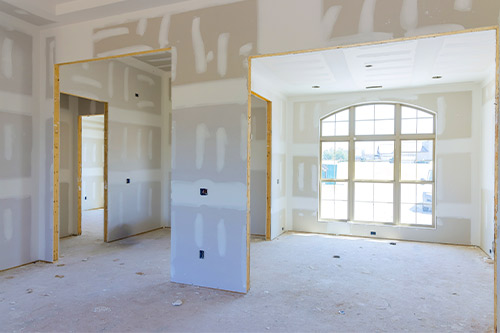
Interior view of a room with a drywall wall and a window, highlighting aspects of remodeling versus renovating.

Once you understand the difference between remodeling and renovating, the next step is evaluating which approach best suits your specific needs. Both options offer distinct advantages and limitations that should align with your goals, budget, and timeline.

Comparing Renovation vs. Remodeling

Before deciding which option fits your goals, it’s helpful to weigh the pros and cons of each approach. While both aim to enhance your living space, they differ in cost, complexity, and overall impact. The table below outlines the key advantages and limitations of renovation versus remodeling:

Approach Advantages Limitations
Renovation • Lower cost (often hundreds vs. thousands)
• Quick completion (days vs. weeks/months)
• Higher ROI potential
• Often DIY-friendly
• Doesn’t address structural issues
• Often a short-term fix
• Cannot alter floor plans or functionality
• Limited scope for personalization
Remodeling • Significantly improves functionality
• Extends home lifespan
• Creates custom spaces tailored to needs
• Can increase property value substantially
• Higher costs (averaging $47,000 for multiple rooms)
• Longer timelines and more disruption
• Requires permits and professional help
• More complex planning and execution

Your decision should be guided by how long you plan to remain in your home. If you’re planning to sell soon, focus on strategic renovations with high ROI, like updated bathrooms or refreshed kitchens. For a “forever home,” investing in a remodel that enhances functionality and addresses your family’s evolving needs often makes more sense, despite the higher upfront costs.

Planning Your Home Transformation: Budget, Financing, and Process
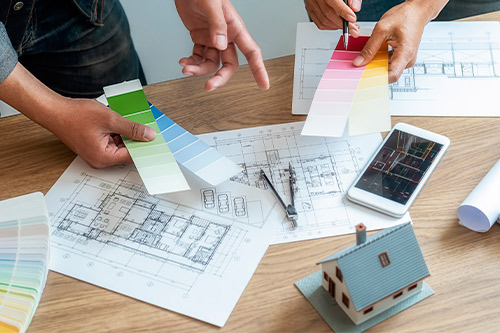
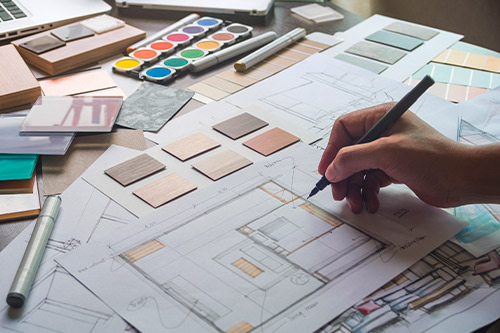
Two people are engaged in a home design project, analyzing blueprints and sharing ideas at a workspace.

Once you’ve decided whether to renovate or remodel, careful planning becomes essential for project success. Breaking down the costs is your first step: renovations typically range from $15 to $60 per square foot, while remodeling projects can average $47,000 for multiple rooms. For perspective, a light renovation of a 2,500-square-foot home might cost around $15,000, while comprehensive remodels can reach $190,000 or more.

Several financing options can help make your project affordable:

  • In-house financing through builders like Guzman Construction, potentially saving up to $15,000 on construction costs
  • Personal loans, offering rates from 5% to 36% based on credit and income
  • Home equity loans provide lump-sum funding at potentially lower rates
  • HELOCs (Home Equity Lines of Credit), allow flexible borrowing during your project

Working with experienced professionals is indispensable, especially for complex remodels requiring permits and specialized expertise. Additionally, implementing annual home inspections helps identify potential issues before they become costly problems. Regular checks of your roof, gutters, walls, and windows can prevent minor concerns from developing into major expenses.

Bringing Your Vision to Life: Choosing the Right Builder and Showcasing Results

A man and woman are engaged in a project, working together in a comfortable home environment.

Even the most well-planned home transformation requires the right partner to execute it properly. Selecting a reputable, experienced builder committed to quality and customer service can make the difference between a dream realized and a renovation nightmare.

Quality builders like Guzman Construction stand out by making the building process seamless, delivering finished products that meet budgets and timelines while exceeding expectations. Being second-generation home builders, they showcase the qualities Texas homeowners should prioritize when choosing a contractor, clearly demonstrated in their current projects. When choosing a home builder, keep these key factors in mind:

Successful transformations speak for themselves. Properties like 41 Nemont Estate and 106 Shary Estates demonstrate how professional builders bring visions to life, whether through comprehensive remodels or targeted renovations. These projects showcase not just aesthetic improvements but functional enhancements that improve daily living.

As you envision your ideal South Texas home transformation, remember that the journey from concept to completion requires both clear planning and the right execution partner. With a reputable builder by your side, you can approach your renovation or remodel with confidence, knowing your investment will result in a space that truly reflects your vision and enhances your quality of life.

If you are looking to create a stunning renovated home or remodeled home, remember that Guzman Construction is here to guide you every step of the way. We prioritize quality and Texas customer satisfaction so that your project meets your expectations and budget. Explore our portfolio of stunning transformations and discover how we can bring your vision to life. Start your journey towards a more beautiful and functional home today! 

FAQs about remodeling and renovating for your South Texas Home

An assortment of tools alongside a stack of money on a table, highlighting a work and financial theme.

1. How do I know if my home project needs a permit?

Permits are generally required for projects that involve structural changes, electrical rewiring, plumbing relocation, or adding square footage. Cosmetic updates like painting, flooring, or replacing fixtures usually don’t require permits. Always check your local building codes to avoid fines or delays. Your reputable contractor would know the answers and requirements!

2. What are some signs my home needs a remodel instead of a renovation?

If your home has outdated layouts, insufficient space, or structural issues, a remodel is often the better choice. For example, if you need an open-concept kitchen or additional bedrooms, renovation alone won’t meet your needs.

3. Which home improvements add the most value when selling?

Kitchens and bathrooms typically offer the highest return on investment. Adding energy-efficient features, updated flooring, and curb appeal improvements can also significantly boost resale value.

4. Can I live in my home during a major remodel?

It depends on the scope of work. Small renovations can often be completed without moving out, but large-scale remodels involving plumbing, electrical, or structural changes may require temporary relocation for safety and convenience.

5. How can I keep my project on budget?

Set a clear budget upfront, include a 10–20% contingency for unexpected costs, and work with a contractor who provides transparent pricing and detailed contracts. Avoid frequent design changes mid-project to prevent cost overruns.

6. Are there eco-friendly options for remodeling or renovating?

Yes! Consider energy-efficient windows, low-VOC paints, sustainable flooring materials, and water-saving fixtures. Builders who prioritize green practices can also help reduce your long-term utility costs.
How to Design a Kitchen? Expert Tips and Ideas for Texas

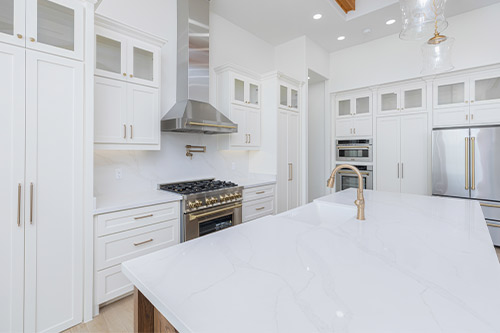
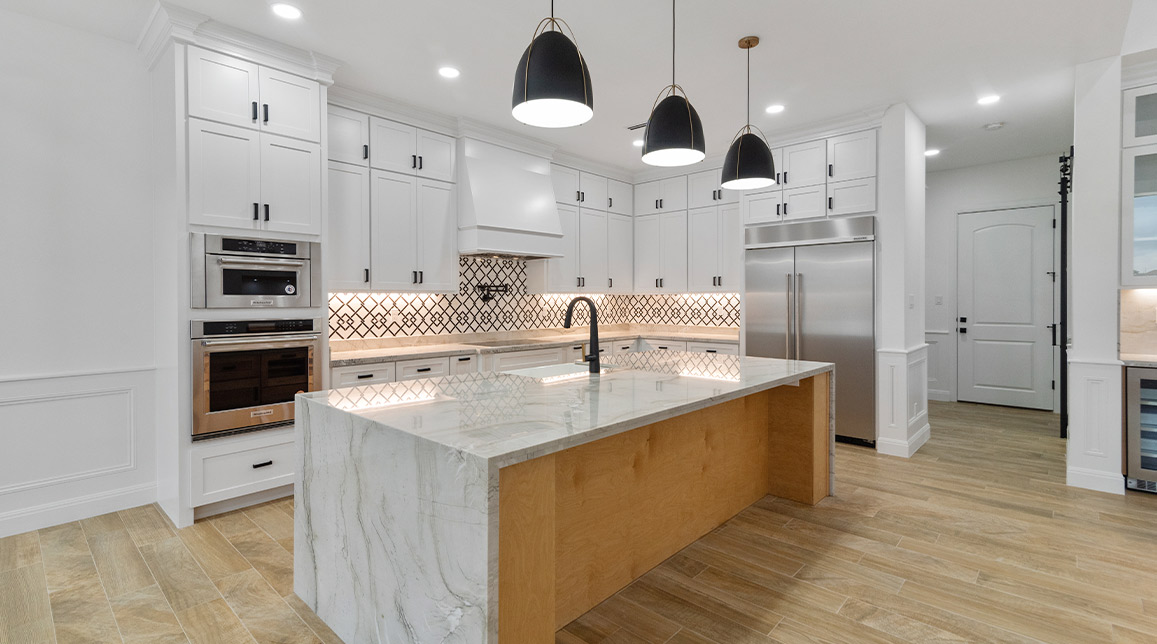
A modern kitchen featuring white cabinets and elegant marble countertops, showcasing stylish design trends

Designing a kitchen is one of the most important investments you can make in your home, not just financially, but emotionally and functionally.  The kitchen should reflect how you live every day. A well-planned kitchen blends beauty with efficiency, so every cabinet, countertop, and corner supports your lifestyle. Getting the design right from the start means fewer compromises later, and more enjoyment for years to come.

The Kitchen as the Heart of the Home

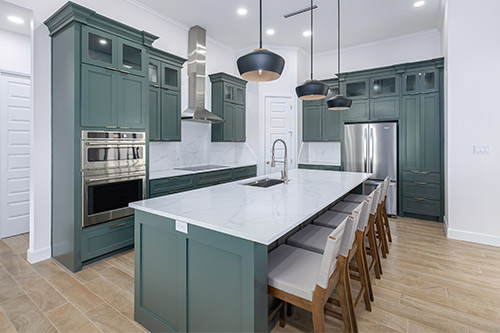
A modern kitchen featuring green cabinets and a sleek white countertop, showcasing current design trends.

The best kitchens aren’t just designed. They’re lived in, loved in, and remembered.

Once a functional space, the kitchen has blossomed into the vibrant heart of the modern home. A place where recipes turn into rituals and guests gather as effortlessly as family. It’s more than just a room for food preparation. It’s a hub for connection, creativity, and comfort.

Whether you’re an aspiring chef or a weekend pancake warrior, investing in thoughtful kitchen design is a daily gift to yourself. The right blend of functionality and style transforms ordinary cooking spaces into extraordinary living environments where conversations and sustenance create memorable moments..

Embracing Design Trends That Speak to You

Today’s kitchen trends go beyond aesthetics. It is constantly evolving, with today’s trends emphasizing both functionality and personality. They reflect values, sustainability, adaptability, and expression. Rather than chasing what’s “hot,” homeowners now choose what resonates.

Top 5 Kitchen Trends of 2025

Top designers are shaping 2025 kitchens with bold, functional choices that prioritize both style and everyday usability. Each trend brings unique advantages but must be balanced with lifestyle needs. The table below summarizes their most recommended trends, along with the pros and cons of each, to help you make informed design decisions.

Trend Pros Cons
Unfitted/Freestanding Kitchens Custom look, adaptable layout May reduce built-in storage
Statement Stonework Visually striking, elevates luxury High cost, may date quickly
Smart Appliances Energy efficient, user-friendly features Expensive upfront, tech may age out
Bold Color Palettes Adds personality, makes a statement May need repainting as tastes evolve
Mixed Materials Rich texture, dynamic finishes Requires careful balance to avoid visual clutter

These designs, bold, elegant, and smart, are evident in Guzman Construction’s kitchen designs. By incorporating energy-efficient smart appliances and bold surface materials, Guzman kitchens beautifully blend longevity with livability.

Trend Meets Taste: Finding Your Personal Kitchen Identity

Before diving into design boards or Pinterest marathons, take a moment to reflect:

  • How do you use your kitchen? Cooking daily, family breakfasts, entertaining guests?
  • What mood do you want to evoke? Warm and rustic? Sleek and modern? Lively and colorful?

Tips for Trend-Savvy Kitchen Design

Start with these tips to make confident, lasting choices for your kitchen design. One that supports your daily routines, reflects your style, and stands the test of time in both form and function.

  • Think long-term: Trends are exciting, but timeless elements (wood, stone, neutral tones) keep your kitchen relevant for years.
  • Choose one statement piece: A bold countertop, striking backsplash, or vivid cabinets make a lasting impression without overwhelming the space.
  • Coordinate with your home’s architecture: A farmhouse kitchen in a sleek modern condo can feel jarring.
  • Incorporate trends affordably: Use art, bar stools, lighting, or hardware to stay current without costly remodels.

At Guzman Construction, kitchens are crafted to suit each homeowner’s budget, timeline, and preferences. A practical roadmap toward your perfect space.

How to Design a Kitchen: Practical Steps and Ideas

A modern kitchen featuring white cabinets and a sleek stainless steel oven, showcasing current design trends. Guzman Construction

Designing a kitchen requires thoughtful planning to create a space that works efficiently for your lifestyle while reflecting your personal style. Whether starting from scratch or remodeling, the process demands careful consideration as getting the design right the first time is essential. Let’s break down this process into manageable steps that will help you create your ideal kitchen.

Practical Steps to Start Your Kitchen Design

Each step ensures your kitchen reflects both utility and taste:

  1. Assess Needs & Lifestyle
    Determine how you cook, who uses the space, and how often guests gather. This will guide your layout.
  2. Plan Layout Around Workflow
    Use the work triangle method: the stove, sink, and refrigerator should form a natural, efficient path.
  3. Select Durable, Beautiful Materials
    Guzman Construction’s use of premium materials guarantees every surface stands the test of time and trend.
  4. Create Smart Storage
    Mix built-in and freestanding options. Pull-out pantries, deep drawers, and hidden spice racks help avoid clutter.
  5. Layer the Lighting
    Combine ambient ceiling lights with task lighting (under cabinets, over islands) and warm accent lights for mood and function.
  6. Choose Efficient Appliances
    Opt for Energy Star-rated appliances. Guzman’s inclusion of Built-to-Save features is a long-term win for utility bills.

Layout Options to Match Every Home

Your kitchen shape is just as important as your color palette. Choosing the right layout maximizes your space and supports how you move.

Popular Kitchen Layouts Table

Layout Type Best For Features & Flow
Single Wall Small homes or apartments Compact and efficient, all elements on one wall
Galley Narrow spaces Parallel counters maximize prep and storage space
L-Shaped Open-plan homes Corner design allows for open flow into dining or living
U-Shaped Large families, serious cooks Three walls of cabinets offer ample space and surfaces
Island Entertaining & social cooking Central island adds prep, storage, seating, and connection
Peninsula Open kitchens with limited room Adds counter space without the bulk of a full island

In the Guzman Portfolio, the use of U-shaped kitchens with islands demonstrates the power of combining form and function, especially when built around family cooking and hosting.

Personality, Color, and Creative Freedom

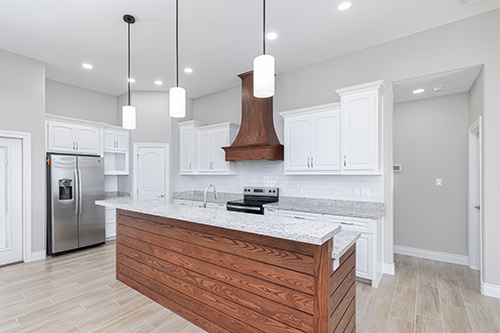
 A modern kitchen featuring white cabinets and a wooden island, showcasing popular design trends.

Now comes the fun part! Bringing your story into your space.

How to Add Your Personal Touch

Make your kitchen yours with these easy design infusions:

  • Add Color Wisely: Use deep greens, navy, or ochre on cabinetry to create warmth. Keep counters and walls neutral to avoid overwhelm.
  • Mix Materials: Pair wood with metal, or matte finishes with glossy ones for depth.
  • Choose Character-Driven Furniture: In the unfitted kitchen style, vintage hutches, butcher blocks, and open shelving tell a story.
  • Use Unique Hardware: Swapping cabinet handles with brass, ceramic, or even leather pulls can shift the entire feel.
  • Invest in Statement Lighting: Pendant lights above the island or sconces near open shelving add glow and flair.

The Guzman Difference: Bringing It All Together

When it comes to execution, working with an experienced builder makes all the difference. Guzman Construction doesn’t just build kitchens. They build dream spacesTheir portfolio showcases:

  • Premium materials and artisan finishes
  • Tailored layouts to match your lifestyle
  • Sustainable choices with long-term ROI
  • Creative use of design trends that stay functional

Each kitchen is a collaborative journey. From concept drawings to the last drawer pull, the team ensures your vision is honored while offering expert guidance on what works best.

Guzman Construction offers:

Feature Benefit
In-house financing Keep your project on budget with flexible terms
Local expertise Understanding of regional trends and climate needs
Timeline-focused construction Delivered when promised, no surprises
Built-to-Save certified Reduce energy costs without sacrificing performance
Proven portfolio Browse real examples that reflect a wide range of styles

Your Kitchen, Your Story

Your kitchen should feel like you. Whether you gravitate toward minimalism, tradition, or eclectic expression, the most important ingredient is intention. Guzman Construction brings a blend of artistry, craftsmanship, and technical skill to every project. With them, you can expect a process that’s collaborative, transparent, and inspiring, resulting in a space that not only meets your needs but exceeds your dreams. Contact Guzman Construction today to help you turn your vision into a kitchen that becomes the heart of your home.

How to Hire a Trusted Commercial Construction Contractor in McAllen

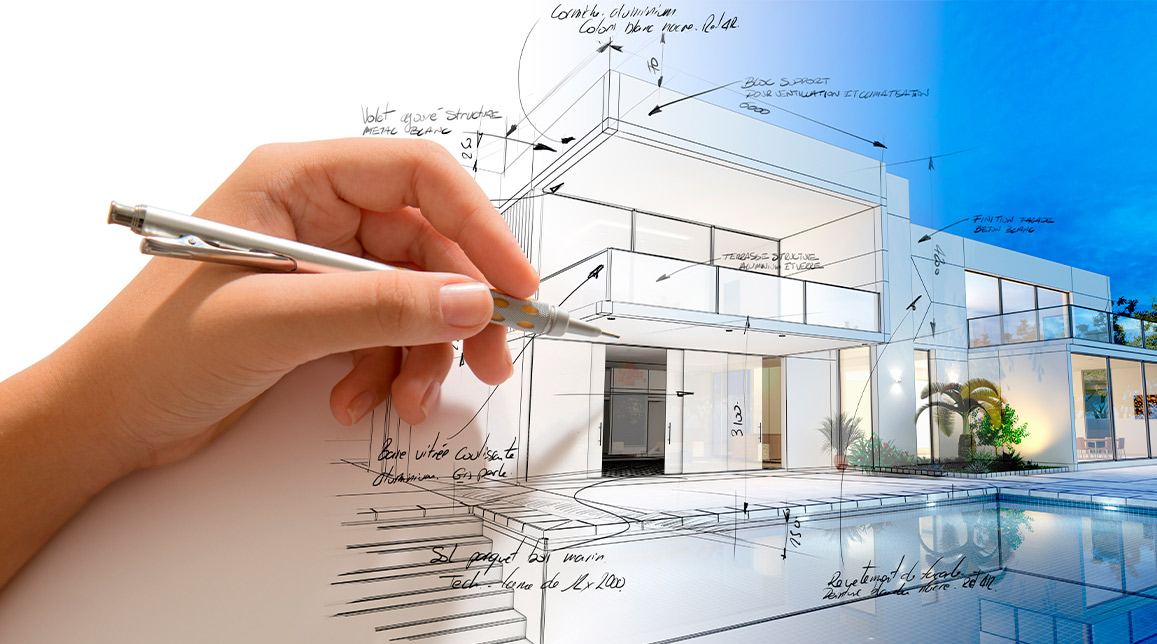
A person sketching a house design with a pencil, illustrating the planning phase of commercial construction in McAllen.

McAllen, Texas, is growing fast, with new businesses and commercial developments popping up across the city. This thriving commercial sector continues to fuel construction demand across the Rio Grande Valley. As businesses expand and new ventures emerge, selecting the right commercial construction contractor becomes an important decision that can determine the success or failure of your investment. Commercial construction projects are complex undertakings that require significant financial commitment and careful planning.

Choosing a commercial contractor isn’t just about pouring concrete. It’s about choosing a long-term, experienced partner who can:

A designer collaborating on a project with a laptop, immersed in work within a modern office environment.

  • Interpret your design goals
  • Stay within budget
  • Manage timelines
  • Comply with building codes and regulations
  • Optimize resources
  • Prevent legal and structural risks
  • Deliver quality results that stand the test of time

A trusted contractor brings experience, problem-solving skills, and transparency, everything you need to guarantee a successful project. They understand the unique challenges of McAllen’s construction landscape, from climate considerations to local building codes.

Conversely, partnering with an unreliable contractor can lead to costly consequences:

  • Construction delays
  • Budget overruns
  • Poor workmanship
  • Legal complications

The risks extend beyond immediate financial losses to long-term structural issues and reputation damage. With so much at stake, thorough contractor evaluation becomes a foundational first step in your commercial construction journey.

Key Qualities to Look for in a Commercial Contractor

Before hiring, understand the traits that separate high-caliber contractors from the rest. A checklist is useful, but context is indispensable.

What Separates Top Contractors from the Rest

Quality Why It’s Important
Commercial Experience Contractors must understand complex systems (HVAC, compliance, fire codes, etc.)
Licensing & Insurance Guarantees legal compliance and limits your liability in case of damage or injury
Local Reputation Shows consistency and familiarity with McAllen’s zoning laws and suppliers
Transparent Communication Reduces delays, budget surprises, and keeps you updated at every step
Strong Portfolio Offers proof of capability on projects similar in size and scope
Proper Credentials Verifies that the contractor meets all professional and regulatory standards
Positive Reviews Reflects customer satisfaction and builds trust in their workmanship and service
Project Management Skills Confirms the project stays on schedule, within budget, and meets quality standards
Proven Track Record Demonstrates consistent delivery of successful projects over time
Completed Complex Projects Shows ability to handle unique challenges, custom builds, and larger-scale developments

Experience in the same city matters. Local contractors know weather patterns, labor availability, and regional permitting.

Building Your Shortlist: The Research Phase

A businessman using a laptop to check a checklist, highlighting the need for trusted commercial construction services in McAllen.

Finding the right commercial contractor in McAllen requires thorough research and due diligence. Start by creating a shortlist of potential contractors.

How to Build a Reliable Contractor List

  • Start online: Use industry sites, Better Business Bureau listings, and Google reviews.
  • Ask around: Local business owners and commercial real estate agents are great sources.
  • Check affiliations: Look for memberships in groups like the Associated General Contractors of America (AGC).
  • Review portfolios: Make sure their previous work matches your project’s size and type.

Tips for Vetting Your Options

When selecting a commercial contractor in McAllen, carefully vetting your options is essential to verify quality, reliability, and a successful project outcome. Use the following tips to guide your evaluation process:

Action Purpose
Ask for references Speak to previous clients directly about timelines and satisfaction
Visit completed projects See quality firsthand. Don’t just rely on photos
Check licenses and certifications Confirm they’re licensed to perform commercial construction in McAllen.
Read insurance details Confirm coverage includes worker’s comp and general liability

The best predictor of future performance is past performance.

The Bidding Process: More Than Just a Price Tag

Once you have a shortlist, it is time to compare bids. But don’t just look at the numbers: look at the value.

  • What a Professional Bid Should Include:
  • Itemized material and labor costs
  • Timeline with project phases
  • Clear payment schedule
  • Material specifications (brands, quality, origin)
  • Warranty information
  • Contingency planning

The lowest bid can cost the most in the long run if it overlooks crucial details or uses substandard materials.

Face-to-Face Interviews: Read Between the Lines

A family collaborates on a construction project, showcasing teamwork and shared effort in McAllen.

The interview stage gives you the opportunity to gauge professionalism and project fit.

Sample Questions to Ask:

  • How do you handle timeline delays?
  • Who will be my main point of contact?
  • How do you communicate progress?
  • Can I visit one of your active sites?

Red Flags to Watch For

Being aware of common warning signs can help you avoid contractors who may compromise the quality, safety, or reliability of your commercial construction project. Watch for these red flags during your evaluation:

Warning Sign Possible Implication
Vague answers to technical questions May lack relevant commercial experience
Pushback on site visits Potential quality or safety concerns
No references Unproven track record
Unwillingness to document changes Can lead to budget creep and legal disputes

Request to review current projects to evaluate work ethic, safety practices, and site organization.

Managing the Construction:  From Blueprint to Final Walkthrough

Once you’ve selected a contractor, the real work begins. Establishing clear expectations through detailed contracts is your first priority.

Your Project Management Blueprint:

  • Contract Details: Include timeline, specs, penalties for delays, payment milestones.
  • Change Orders: Require written documentation for all changes to cost or scope.
  • Point of Contact: Appoint one consistent person for all communication.
  • Progress Meetings: Schedule regular updates and walk-throughs.
  • Contingency Planning:
Budget for Unexpected Costs Recommended Allocation
Materials cost increases 5–10% of total budget
Permitting delays 2–5%
Design modifications 5–10%

Always budget 10–20% for unforeseen costs. Even the best plans need backup.

Final Steps:  Walkthrough and Project Handover

Before signing off, perform a detailed walkthrough. Use your original specs and plans as a checklist.

Final Walkthrough Checklist:

  • Walls, floors, and finishes match design
  • Electrical, plumbing, HVAC systems tested
  • Doors, windows, and locks function correctly
  • Fire and safety systems are installed and approved
  • All permits, certificates, and warranties delivered

A detailed walkthrough helps catch issues early and facilitates a smooth handover.

Partnering with the Right Commercial Construction Contractor

A man and woman shake hands over a blueprint, representing partnership and trust in McAllen's commercial construction industry.

Choosing the right commercial construction contractor in McAllen isn’t just a task. It’s an investment in the future of your business. With trusted partners, clear planning, and proactive communication, your project can exceed expectations.

Partner Spotlight: Guzman Construction: Your McAllen Experts

At Guzman Construction, we specialize in commercial and residential construction throughout the Rio Grande Valley. Our team brings decades of local experience, craftsmanship, and full transparency from concept to completion.

Whether you’re building a retail space, office complex, or custom home, Guzman Construction offers:

  • Expert project planning
  • Transparent budgeting
  • Skilled local crews
  • Clear communication from start to finish

Start your construction journey with Guzman Construction today.

Frequently asked questions (FAQ) about hiring a commercial contractor:

1. How is a commercial contractor different from a residential contractor?

Commercial contractors handle larger-scale projects that require knowledge of structural steel, HVAC systems, fire safety codes, and ADA compliance. Residential contractors typically work on homes and may not have the licensing or experience required for commercial standards.

2. How do I verify a contractor’s license and insurance?

Ask for their license number and confirm it through your state or local licensing board. Also, request proof of insurance, including general liability and workers’ compensation, and call the provider to verify if it is current and sufficient.

3. What should I ask a commercial contractor before hiring them?

Ask about their:

  • Experience with similar projects
  • Timeline and process
  • Crew and subcontractor management
  • Safety practices
  • Change order procedures
  • References and past clients

4. What’s included in a commercial contractor’s estimate?

An estimate typically includes labor, materials, equipment rental, permits, overhead, and profit margin. Make sure it clearly breaks down each cost and outlines what is and isn’t included to avoid surprises later.

5. How long does a commercial construction project take?

Project timelines vary based on size, complexity, weather, permitting, and change orders. A small build-out may take a few weeks, while new construction could take several months to a year. Ask for a timeline with milestones before signing a contract.

6. How do commercial contractors handle project delays or changes?

Professional contractors will include a change order process in the contract, allowing for clear documentation of scope, time, and cost changes. They should also communicate delays promptly and provide revised timelines.

7. Why is project management experience important in commercial contracting?

Strong project management keeps tasks on schedule, coordinates subcontractors efficiently, handles budgeting, and reduces costly delays. A contractor with proven management skills helps ensure smooth execution from start to finish.

Navigating Building Permits in the RGV: A Complete Guide

cover-Navigating Building Permits in the RGV: A Complete Guide

If you’re planning to build a residential or commercial property in the Rio Grande Valley (RGV), you will need building permits. Which means you need to know how to get the process done right so you can move on to actually creating the space you need. Save time, money, and legal headaches with this guide, which simplifies the process of obtaining building permits in the Rio Grande Valley by detailing requirements, costs, timelines, and common challenges.

What are building permits?

Building permits are official approvals issued by local government agencies that allow construction or renovation projects to proceed legally. These permits make sure that the construction complies with local zoning laws, building codes, and safety regulations.

Failure to obtain the proper permits can result in fines, project delays, or even the forced removal of unauthorized structures. For property owners in the RGV, obtaining the correct permits is especially important due to region-specific requirements and environmental considerations.

Why do building permits matter in the Rio Grande Valley?

The Rio Grande Valley’s unique geography and climate require specific construction considerations, such as windstorm certifications, floodplain zoning, and energy efficiency standards. Municipalities in the RGV enforce building permits to keep occupants and workers safe. These permits regulate construction practices that align with national and regional codes.

Building permits also play an important role in environmental protection by making sure that developments adhere to rules that safeguard natural habitats and resources. Compliance with building codes also means that buildings meet minimum safety and design requirements. Lastly, accurate and lawful permitting allows local governments to assess property values correctly, which contributes to fair and accurate property tax assessments.

What types of building permits are in the RGV?

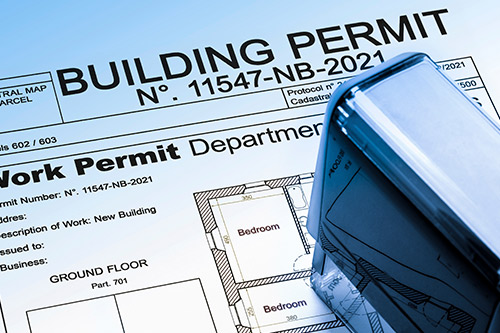
building permits No: 11547-NB

Residential Building Permits

Residential building permits are issued for single-family homes, duplexes, and other dwelling units.

Commercial Construction Permits

Commercial construction permits apply to offices, retail spaces, warehouses, and mixed-use developments, where compliance with commercial regulations is essential.

Remodeling and Renovation Permits

Remodeling and renovation permits are needed for both interior and exterior updates, including projects like kitchen remodels, bathroom upgrades, or roof replacements.

Mechanical, Electrical, and Plumbing (MEP) Permits

Mechanical, electrical, and plumbing (MEP) permits regulate the safe installation and modification of essential systems in both residential and commercial properties.

Demolition Permits

Demolition permits are necessary before tearing down existing structures, helping authorities manage debris disposal and ensure structural safety during and after demolition.

What are the permit requirements in the RGV?

Completed Permit Application

A completed permit application form is the foundational step. This document contains basic project details for review by the relevant authorities. .

Site Plan or Plat Map

A detailed site plan or plat map outlines the project’s footprint and lot boundaries to ensure proper land use.

Construction Drawings or Blueprints

These documents show how the building will be constructed, including dimensions, materials, and systems integration.

Engineering and Architectural Approvals

Structural elements must be reviewed and approved by licensed engineers and architects.

Energy Compliance Forms

Forms such as REScheck demonstrate that the building meets energy efficiency standards.

Contractor Licensing and Insurance

Documentation must confirm that the contractor holds valid licenses and liability insurance.

Pro Tip: Always verify requirements with the local building department in your specific municipality, whether that be McAllen, Harlingen, Brownsville, or Edinburg.

What are some common challenges with building permits in the RGV?

Builder reviewing legal papers and contracts.

Zoning Conflicts

Zoning laws regulate land use and property layout, and any attempt to construct a building that doesn’t align with the area’s zoning designation results in permit denial. For example, proposing a commercial facility in a residential-only zone is typically not allowed without a special exception or zoning change.

Incomplete Documentation

Submitting an application that lacks must-have elements, such as structural plans, site surveys, or energy calculations, often leads to delays. Building departments require full documentation to review projects comprehensively and make sure they comply with all codes.

Code Violations

The RGV jurisdictions follow the International Building Codes (IBC) which are often modified with local amendments. Not adhering to these detailed codes, for instance, by using unapproved construction methods or materials, can halt the permitting process until corrections are made.

Floodplain Restrictions

Because parts of the RGV lie within designated floodplains, special regulations and permits may be necessary, depending on where you are building. These could include elevation certificates, flood-proofing designs, or drainage plans, all of which must be approved before building begins. Learn more at FEMA’s floodplain development page.

Windstorm Certifications

Coastal counties in the RGV, such as Cameron and Willacy, fall under Texas Department of Insurance (TDI) regulations that mandate windstorm inspections. Structures must be built to withstand hurricane-force winds, and failure to meet these criteria can result in disqualification from insurance coverage.

Step-by-Step: How to Get a Building Permit in the RGV

Here are some of the most important steps you can take to obtain your RGV building permit.

  1. Consult with a licensed contractor
    Start by hiring a licensed local contractor. A knowledgeable builder will help assess your project scope, identify which permits you need, and guide the preparation of documents.
  2. Prepare the necessary documents
    Collect blueprints, site plans, energy compliance forms, and engineering approvals.
  3. Submit the application
    Submit your application to the appropriate city department, either in person or online, depending on the jurisdiction.
  4. Pay permit fees
    Pay the required fees, which may include plan review charges and inspection deposits.
  5. Plan review
    The city reviews your documents for code, zoning, and safety compliance. Expect revisions.
  6. Schedule inspections
    As construction progresses, schedule mandatory inspections at stages like foundation, electrical, and framing.
  7. Receive final approval
    After passing all inspections, you’ll receive a certificate of occupancy to officially use the space.

What are some tips for hassle-free permit approvals?

Builder doing a checklist for a building construction planning

Start early

One of the most effective ways to prevent delays in the permitting process is to start early. Some permits may be approved within a few days, but more complex projects can take several weeks, or longer, especially if revisions are required. By beginning the application process well in advance of your planned groundbreaking date, you give yourself ample time to address unexpected issues, submit revisions, and meet project deadlines without unnecessary stress.

Hire a local expert

Hiring a contractor or permitting consultant who is familiar with Rio Grande Valley municipalities can significantly streamline your experience. Local experts understand the nuances of city-specific building codes, documentation expectations, and common pitfalls. Their experience navigating local permitting systems, whether in McAllen, Edinburg, Harlingen, or Brownsville, can help avoid delays caused by incomplete submissions or overlooked requirements.

Stay organized

Organization plays a crucial role in managing the permitting process efficiently. Keep both digital and hard copies of all permit applications, architectural drawings, engineering reports, communications, and approvals. Having quick access to these documents allows you to respond promptly to inquiries or requests from the building department, which can keep your project moving forward without disruption.

Communicate clearly

Clear and consistent communication with municipal officials is essential. Many delays occur not because of errors, but due to misunderstandings or lack of follow-up. Always respond to emails or calls from the permitting office in a timely manner, and don’t hesitate to ask questions if a requirement or comment is unclear. Building a cooperative relationship with permitting staff can often help resolve issues more quickly and keep your application on track.

Navigating the building permit process in the Rio Grande Valley doesn’t have to be overwhelming. With the right knowledge, preparation, and local support, you can move from concept to construction with greater clarity and fewer delays. Whether you’re developing a new residential community, expanding a commercial space, or remodeling your dream home, understanding local permitting requirements is the key to building safely and legally.

At Guzman Construction, we help clients across the Valley turn their visions into reality. From preparing site plans and managing permits to executing high-quality builds, our experienced team is here to simplify the process and ensure every detail meets regional codes and expectations. Reach out today to schedule a consultation and start building with confidence.