

Author: Guzman Construction

Most Home Buyers Prefer New Homes – Let’s See Why

Young couple during move to new home

Let us take a look at some of the advantages that come with choosing a newly built house

In comparison to a previously owned house, a newly constructed house will translate to modern construction material, contemporary design, and new technology. New houses also come with a longer warranty period, leaving you to enjoy your new abode without the stress of maintenance and upkeep, for many years to come.

Lower Prices

Technology and advancements in construction have ensured lower prices for better quality material that lasts longer and requires minimal care. Unlike an older house, which will require constant upkeep and demand more attention with every passing year, a new house gives you the option of setting aside some time to first customize it the way you want and then reap the benefits of your new space in absolute comfort.

More Options

With an older house, you will find that your options are limited. The look and feel of the house has been decided by its previous owner, leaving you to work with what you get. This could mean outdated flooring options, impractical storage spaces, maybe a few awkwardly positioned rooms, and maybe even higher bills that may arise from older plumbing and heating designs.

Unlimited Customizations

When you seldom settle for used items – clothes, automobiles, or even furniture, why then should you compromise on a new house? By opting for a new house, you can pick and choose from a number of options to make your space look like the dream house you have always lusted after. You can customize your house with sustainable construction material, high ceilings, extensive closet spaces, modular kitchens, airy bedrooms, and well laid out bath spaces – whatever strikes your fancy.

Uniquely Yours

No matter what your style, a new house gives you the option of deciding exactly how you want every corner of your house. Want an unconventional living room that has both a fireplace and a lounge area that also doubles up as a patio? It’s yours! Or perhaps you want your children’s bedrooms to be connected to a play area? With a new house, there is no limit to what you can build.

Energy & Cost Savings

Modern construction also allows for energy and cost savings, with a multitude of options for you to choose from to keep your home as airy or as warm as you require throughout the year – be it the windows you choose, the type of glass, air ducts, etc.

The advantages of opting for a new home are countless. Not to mention, the finished product is yours entirely. A space that will not only reflect your personality, your choices and your hard work, but will also stand as a testament to a home that you built from scratch.
Things To Look For While Choosing A Builder

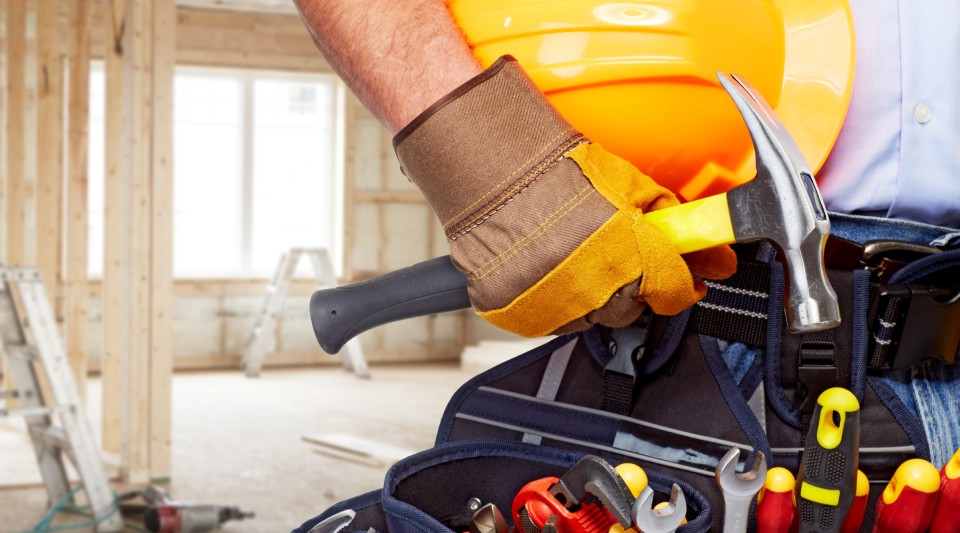
Detail to a builder constructor tools equipment.

How do you pick the right builder among the multiple contractors?

Developing a good relationship with a builder is essential as this directly affects your end product – your dream house. Use the following parameters to ensure that you’ll make the right decision.

1) A good builder pays attention

All builders will initially display interest in your demands and ideas. It is important to find a builder who truly understands your ideas and needs, in order to translate them into a house.  Discuss your requirements with the builder to see if he is open to inputs, and to measure how much of a say you get to have once the work has started.

2) Experience matters

Find out for how long has the builder been in business. Conduct a background check on their previous assignments to see if they meet your requirements. Try and schedule a visit to any of the houses they have built in the past. Ask your builder for references from their previous clients. However, when gauging experience, be warned that a highly experienced builder may also charge you exorbitant rates. Occasionally, you may run into a builder who might not have enough experience, but seems to truly understand your requirements.

3) Check all paper work

At all times, tread cautiously. Check if they have the necessary documentation and licenses required for the task at hand. Be sure to verify your builder’s credentials and accreditation as well as the insurance covers offered by the company. Find out where your builder sources the materials from so as to understand the quality that is being offered.

4) Clear cut costs

Ask your builder for a breakdown of the essential costs, instead of giving you one rounded figure. This helps you keep track of all expenses and helps deflect any sort of foul play.  Always clarify if the costs being presented to you are estimates or actual prices, because estimates can be easily, and often unfairly inflated. Minimize the risks wherever possible. If your builder refuses to give you a fixed price, citing uncertainties, then try and separate those costs from your final amount, in the form of a new work order.

5) Unconventional pricing

Stay away from contractors who demand large upfront payments. This is a far cry from the accepted practice of an initial deposit, followed by payments in part paid as the work progresses. This might also indicate that the builder company is not stable enough to handle your project as they are unable to meet the costs from their end. Also, be wary of low rates as this is often a sign of poor quality construction material and shoddy work.

6) Meet the workers

It would be helpful for you to meet and interact with the construction team as this is the group that will be doing the majority of the work. Ensure that the subcontractors your builder will work with are reliable and that your builder has a good working relationship with them.

Eight Questions to Ask Your Builder

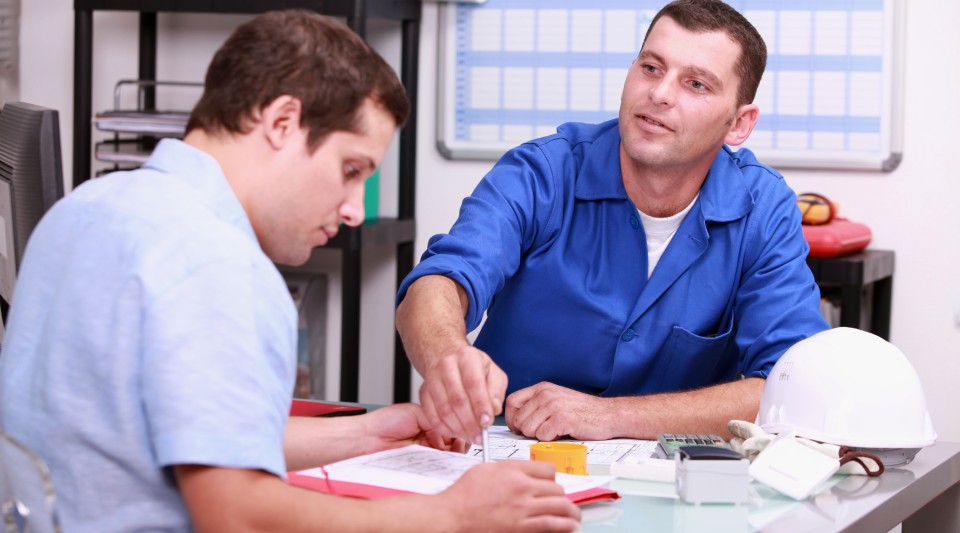
builder talking with man

Eight questions to ask your home builder to ensure you’re getting your money’s worth.

1) Ask for a clear, detailed contract

Some contracts come with a number of hidden costs, indirect expenses, and maybe even pending costs, which may serve as a way to hide the costs that will surface later, inflating your total amount. Ensure that the contract you sign is free of these items – leaving no avenues for you to be cheated out of your money later.

2) By when will the house be ready?

Get a fixed date in place regarding when all construction will be complete and your house will be ready. This will come in handy when you need to file the required paperwork and will prove useful in case of delays, when you might need to take legal action. It will also ensure that the builder knows you mean business.

3) Find out if you can have access to the house during construction

By ensuring that you can visit the construction site regularly, not only will your builder get the work done faster, but this also helps you come across as an aware, knowledgeable home buyer who cannot be taken for a ride.

4) Ask about deadlines for changes

Many home buyers like to be actively involved in the design and construction of their new houses. Ask your builder to test his openness to use your ideas and innovations into his existing plans. It’s always good to get an estimated fixed deadline – this gives you a heads up regarding the completion date. This will help you not only keep a tab on how work is progressing but will also help you get closer to your dream house.

5) Ask about the energy-saving options in the construction

The six star is the minimum energy efficiency rating. Find out how much energy will be saved by a particular kind of construction or layout, and compare this with other layouts if you are certain that energy costs can be optimized in alternate ways.

6) Question promotions

Most builders may offer special discounts and other offers when trying to convince you to buy a home. Dissect these to make sure that they aren’t simply inflated offers and that you are getting enough value for your money.

7) Ask if the display will match the final product

While display houses are usually overdone and extravagant, the same often fails to translate into the final product. Do not be distracted by things like high ceilings, extravagant chandeliers, and so on in the display pieces as you may be disappointed with your final outcome. Remember, they are called display pieces because they are meant to draw your attention – which means they often put style over functionality, something that you do not want in a house you intend to live in.

8) Inquire about the kinds of warranty on offer

Most builders will have a variety of warranty clauses for different houses, and it is important to find a right fit to ensure a stress-free stay in your new house.