
Category: Before Building

Top 5 Reasons To Choose To Build A Wood Frame Home

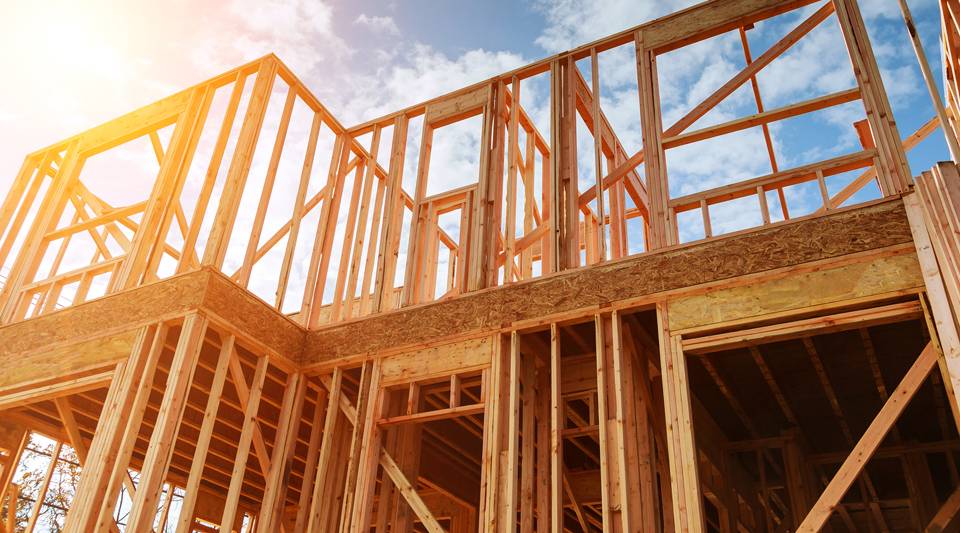
Wood frame home structure

The absolute charm of a wood frame house is hard to resist. Wood frames are sturdy and timeless. When you build a house with wooden frames you address several issues at once: availability, design versatility, eco-friendliness, insulation and ease of construction.

Here are the top 5 reasons to build a house with wood frames:

Availability

The most popular reason to get yourself a timber-frame house is the abundance of this raw material. Wood is readily found everywhere and your builder can source some of its best variants to build your house with.

It is true that it requires some amount of treatment to prolong its durability. Also, it is required in a large volume where home building is concerned. This makes wood-framed homes slightly pricier than brick-and-mortar homes. But it is obtainable in almost every second home-improvement centre and timber yard. It is easy to ship and easy to work with. Hence, more and more home builders and home buyers are gravitating towards houses made of wood frames.

Most timber suppliers prefer planting more trees than they cut down in order to use this forest resource responsibly. And since trees continue to grow, more and more timber is continually available.

Most often timber sourced from mills is put to use locally, thus reducing the time and cost of transport.

Design Versatility

One of the reasons wood is a popular construction material is that it lends itself to a mind-boggling variety of designs, polishes, shapes, and structures. Wood frames for walls, roofs, floors and other structural components turn a house around and add to its aesthetic appeal.

There are more than three thousand varieties of wood in the US and they are used for various types of framings. The natural patterns, marks and colour they carry usually broaden their versatility. When included in custom built houses, these frames lend a timeless beauty to everything it touches. Few materials can surpass the old-world charm of wooden framing.

The visual attraction of wood frames surpasses that of any other material and part of it derives from its structural strength. This is also the reason you still find wood-framed homes and other buildings standing tall. It is remarkably durable.

Eco-friendliness

  • What is the one material that has the lowest carbon emissions?
  • What is the most sustainable construction fiber?
  • What is the most renewable home building material?

The answer is wood. If any have any doubts regarding the suitability of wood as a component for your house, you can safely bury them now.

First, wood is naturally occurring and it is subjected to fewer stages of processing before being cast into frames. Consequently, it is safer to use than most chemically-treated construction materials. It doesn’t release toxic fumes in the house or outside of it. Hence it contributes to not only a greener but also a healthier home environment.

Second, wood grows fast and is quickly replenished. That’s why it is easy to renew and its supplies can be maintained for long. Responsible suppliers and mill owners despise carelessly felling trees and depleting natural resources. Hence many prefer giving back to nature more than they take -planting as much as ten times the green cover they had to remove.

Insulation

Another reason builders include wood frames is the unbeatable insulation they provide. Whenever you think of inflated energy consumption, consider getting wooden frames.

The miniature air pockets that are present in wood make them poor conductors of heat. It means that less heat escapes outside, minimizing the strain on indoor heating systems. Similarly, wood frames also keep the house cooler in summer. So you have naturally climate-controlled indoors and low energy bills. Wood is considerably more insulating than glass, aluminum and steel and only ranks behind concrete and stone.

When timber frames are used for doors and windows, there is more room to fit in additional insulation of your choice.

Ease of Construction

When you consider the simplicity of building, wood frames are not only easier to shape but also quicker to put together.

Timber framing can be precision-cut and shaped as desired faster than stone. With little wastage, clearing up after also becomes less time-consuming. The framing is installed swiftly. All these cut down on the overall building hours. Simple mortise and tenon joints fixed with pegs stand the test of time. This reinforces the joints and strengthens the frames. As such it needs no extra wall to balance out the load. These joints are still used by home builders around the world.

When it comes to upkeep, wood frames are highly cost-effective. The labor is available cheaply and home owners often take charge of minor repairs themselves.

All in all, wood framing in custom homes add structural power to the house and keeps it low-maintenance. It is a greener solution that minimizes heat loss and yields to customization readily.

10-Step Guide To Building Your First Custom Home in the RGV

Building Your First Custom Home in the RGV

You might have heard a lot about custom homes and eventually decided that you need one. What sets it apart from ready-to-move-in homes is their design flexibility. When it comes to the perfect first custom home in the Rio Grande Valley, buyers prefer to build one from scratch rather than buy an existing one.

Finding the right builder who can help you realize your dream home doesn’t necessarily have to be a significant burden. When you have teamed up with a builder who knows the nitty-gritty of home construction, transforming an empty plot into a living, breathing house becomes smooth and safe.

But home building begins way before the first stone is laid. Apart from finding a builder of repute, you must follow a few steps to ensure that the result is satisfactory. Here is a 10-step guide to ease you into the grand home building adventure in the RGV:

1. Select your site

Selecting a site for residential construction is always done with care. What are some things to remember when you go site-hunting?

  • How much land are you looking to invest in?
  • What is the landscape like?
  • Is the plot location safe?
  • Is it well connected and easily accessible?

Only when you have satisfactory answers to these questions should you put your money in it. It is one of the fundamental factors of construction.

Your builder can help you choose a suitable plot after an exhaustive assessment. They can help you find out the inherent construction risks, if any, associated with your lot. This piece of groundwork is essential to constructing a sturdy, long-lasting home.

2. Get your finances in order

You cannot afford to go wrong with the financial planning on this one. If you are running low on your finances, it is better to let the dream take a back seat. The first home or the final one, building it requires owners to have a fool-proof financial backing. Your bank should be able to sort your finances and check your credit rating. You can buy one of their mortgage plans if you can pay it back.

Some builders will have their in-house team of financiers who can do the impossible and get you the funds. They can even help you cut down on home building expenses so that your spending is streamlined and wasteful expenditure is curtailed.

3. Find a builder that understands your vision

For first-time custom homeowners, a builder that shares your passion is a match made in heaven. Such a builder can attend to the smallest details and usually has at least a decade-long presence in the industry.

Choose a builder that offers a combination of architectural excellence as well as aesthetic satisfaction. Look for warranties and energy savings that will help you save more in the long run.

The builder you choose must be able to finish the project within a fixed budget and agreed-upon timeline. They should be able to offer free consultation and give you an estimate of your expenses.

You could try looking up the directory of licensed local builders or talk to friends and family that have built a home recently to find a committed and reputed builder.

4. Dive into the customizing

Once you have shortlisted a builder, it’s time to bring out the designer in you. When customizing, start with the look and feel of the house.

Since you are already on this step, you must have considered how space is going to be utilized. Apart from reaching a truce with your family about the number and location of the various rooms in the house, you have to turn your attention to the functional needs – for instance, the HVAC, the various electrical fittings with their energy-saving capacities.

You can either choose to avail of the services of a licensed architect to draw a design or tweak an existing plan to your benefit. Always keep an eye on your budget since it is easy to get carried away at this stage.

5. Finalize the details

Let’s break it down:

  • Is there a specific architectural style you want to be incorporated?
  • Is there a must-have feature?

At this stage, you are ready to put together the various plans you have for your first home. Choose your material with care. The construction raw materials have the final say in the longevity of your residence. Also, talk to your builder about the best paints, finishes and furnishing available within your budget.

6. Get your building plan approved

Before your builder can so much as put a shovel to your lot, your building plan must be approved by the local building committees. There are some documents that you would need, specific permits that you must possess. An experienced builder would be able to handle the mess on your behalf – submit your plans for processing, forward the fee and get them sanctioned.

An undeniable benefit of working with a qualified builder is you can take advantage of their vast network of subcontractors, suppliers, and highly-placed officials.

7. Sign the contract after a final review

You have received the funds, and all permits are up-to-date. It is time to sign the agreement and formalize the project. Check everything beforehand. Once you have formalized the deal, it is time-consuming, not to mention expensive, to make modifications. Many builders charge extra to deviate from what was explicitly mentioned in the contract.

8. Let the constructions begin

The builder starts laying the foundation of your house, followed by putting up the framing. Once the drywall is built, you may be able to look beyond the wood and steel and stone. Family members begin to claim ownership of cozy corners now, and you will start to see how the space would look from inside.

Your builder may invite you for occasional site visits. Take this opportunity to monitor and inspect the whole process. The construction should go as mentioned in the contract. A dependable builder would keep the entire process transparent and always keep communication lines open.

9. Close the deal

Building your first home in the Rio Grande Valley might take as little as nine months or may stretch over two years. Whatever your timeline is, house construction is at the mercy of the elements. So you must be prepared for it mentally.

Before closing, your building manager or contact person would get in touch to inform you of the pending payment, the documents related to taking possession and the date of closing. At this point, the construction is complete. Hence it is imperative that you put everything under a scanner and give the house a thorough inspection.

10. Take charge of your keys

Finally, after months of hard work, suspense and sleepless nights, your first custom home is ready and waiting for you. An average builder will end the client relationship there. A great builder will be prepared with certain services post-sales and would always be in touch.

As you can see, building your first custom home gets more comfortable, faster and a lot less scary when you hire a builder who understands your needs, has the right financial backing, and knows both the industry and the locality.

Things To Look For While Choosing A Builder

Detail to a builder constructor tools equipment.

How do you pick the right builder among the multiple contractors?

Developing a good relationship with a builder is essential as this directly affects your end product – your dream house. Use the following parameters to ensure that you’ll make the right decision.

1) A good builder pays attention

All builders will initially display interest in your demands and ideas. It is important to find a builder who truly understands your ideas and needs, in order to translate them into a house.  Discuss your requirements with the builder to see if he is open to inputs, and to measure how much of a say you get to have once the work has started.

2) Experience matters

Find out for how long has the builder been in business. Conduct a background check on their previous assignments to see if they meet your requirements. Try and schedule a visit to any of the houses they have built in the past. Ask your builder for references from their previous clients. However, when gauging experience, be warned that a highly experienced builder may also charge you exorbitant rates. Occasionally, you may run into a builder who might not have enough experience, but seems to truly understand your requirements.

3) Check all paper work

At all times, tread cautiously. Check if they have the necessary documentation and licenses required for the task at hand. Be sure to verify your builder’s credentials and accreditation as well as the insurance covers offered by the company. Find out where your builder sources the materials from so as to understand the quality that is being offered.

4) Clear cut costs

Ask your builder for a breakdown of the essential costs, instead of giving you one rounded figure. This helps you keep track of all expenses and helps deflect any sort of foul play.  Always clarify if the costs being presented to you are estimates or actual prices, because estimates can be easily, and often unfairly inflated. Minimize the risks wherever possible. If your builder refuses to give you a fixed price, citing uncertainties, then try and separate those costs from your final amount, in the form of a new work order.

5) Unconventional pricing

Stay away from contractors who demand large upfront payments. This is a far cry from the accepted practice of an initial deposit, followed by payments in part paid as the work progresses. This might also indicate that the builder company is not stable enough to handle your project as they are unable to meet the costs from their end. Also, be wary of low rates as this is often a sign of poor quality construction material and shoddy work.

6) Meet the workers

It would be helpful for you to meet and interact with the construction team as this is the group that will be doing the majority of the work. Ensure that the subcontractors your builder will work with are reliable and that your builder has a good working relationship with them.