Category: Commercial Construction

The Impact of Commercial Construction on Business Growth in McAllen

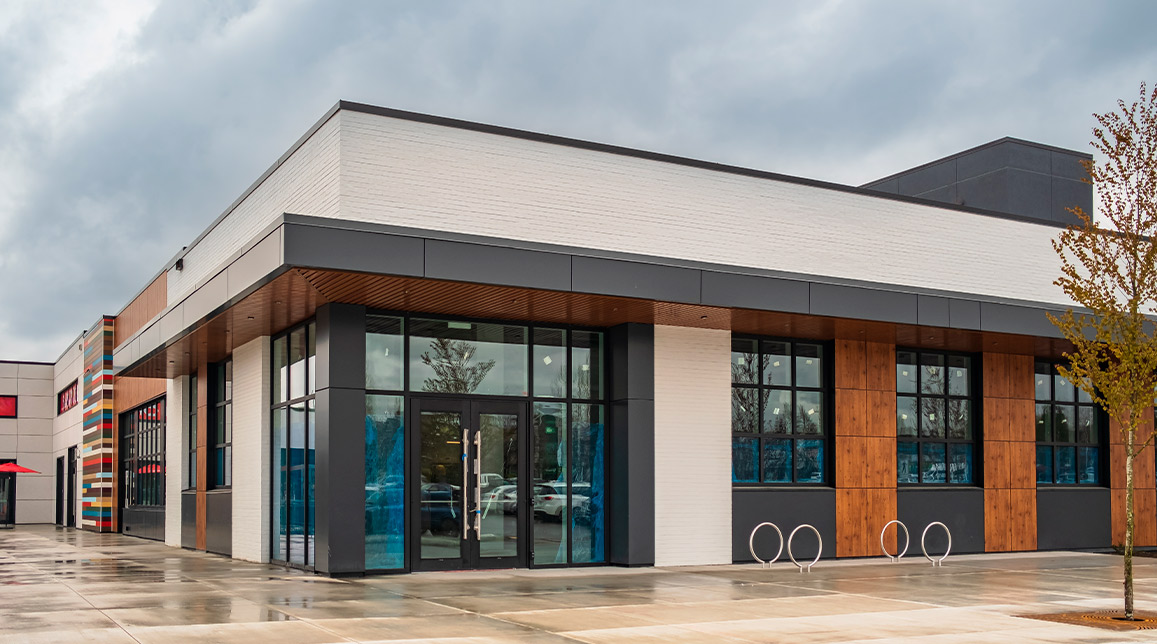
A modern building with a prominent glass entrance and a spacious parking area, representing commercial development in McAllen.

McAllen, Texas has emerged as one of the Rio Grande Valley’s most dynamic business hubs, experiencing remarkable growth with new commercial developments appearing across the cityscape. This expansion reflects the region’s strengthening economy and increasing appeal to entrepreneurs and established businesses alike. Behind this transformation lies the central role of commercial construction – the foundation upon which business ambitions become physical realities.

The Impact of Commercial Construction in McAllen

Quality commercial construction does more than simply provide physical space; it actively fuels economic development by creating environments where businesses can thrive. The right commercial structure optimizes operational efficiency, enhances brand visibility, and accommodates future growth,  all essential factors in today’s competitive marketplace.

  • Commercial buildings serve as catalysts for neighborhood development and revitalization
  • Well-designed spaces attract both customers and talent to the McAllen area
  • Modern facilities help businesses meet evolving industry standards and regulations
  • Strategic construction planning maximizes return on investment for business owners

In this landscape of opportunity, Guzman Construction has established itself as a leading commercial construction provider in McAllen. With their commitment to quality, budget-friendly solutions, and complete project support from site assessment through construction, they embody the partnership approach that growing businesses need. As second-generation builders with deep roots in the community, they bring both expertise and local understanding to every commercial project they undertake.

How Well-Planned Commercial Construction Boosts Business Operations

Three construction workers wearing orange vests and hard hats discuss plans, emphasizing the role of construction in business growth.

Strategic commercial construction actively enhances your operations and drives growth. When expertly planned and executed, your commercial space becomes a powerful business asset. Here’s how:

  • Enhanced functionality and efficiency: Well-designed commercial spaces optimize workflow and operational efficiency. Through thoughtful space planning and quality construction, businesses experience fewer maintenance issues and smoother daily operations. An experienced contractor ensures that your building supports your business processes rather than hindering them.
  • Customization to meet specific operational needs: Different businesses have unique requirements, retail spaces need customer-friendly layouts, warehouses require efficient storage solutions, and medical facilities demand specialized systems. A quality commercial build incorporates your specific industry needs into every aspect of design and construction.
  • Improved employee productivity through modern facilities: Today’s workforce expects modern, comfortable environments. Updated facilities with proper lighting, climate control, collaborative spaces, and ergonomic design boost employee satisfaction and productivity. When construction meets these needs, businesses see improved retention rates and workplace efficiency.
  • Adaptability for future business growth: Forward-thinking construction incorporates flexibility for future expansion. Smart planning includes adaptable spaces that can be reconfigured as your business evolves, preventing costly renovations later. Working with contractors who understand the full lifecycle of commercial buildings ensures your investment continues to serve your business for years to come.

Attracting Customers Through Modern Commercial Construction

In McAllen’s competitive business environment, the physical space where you operate can significantly impact your ability to attract and retain customers. Modern commercial construction goes beyond functionality; it becomes a powerful marketing tool that draws people in and enhances their experience with your brand.

  • Appealing storefronts and inviting interiors increase foot traffic
    • Well-designed exteriors create powerful first impressions, with studies showing that customers make judgments about a business within seconds of seeing its façade
    • Strategic layout and interior design elements guide customers through spaces that showcase products and services effectively
    • Quality materials and finishes signal professionalism and attention to detail, building customer confidence
  • Utilization of innovative design to reflect brand identity
    • Custom architectural elements and branded environments help businesses stand out in McAllen’s growing commercial landscape
    • Thoughtful design creates spaces that tell your company’s unique story and reinforce brand values
    • Build-out customizations ranging from $50 to $200+ per square foot allow businesses to create distinctive environments that resonate with target audiences
  • Improved accessibility and customer experience
    • Inclusive design accommodates all potential customers, expanding your market reach
    • Thoughtful space planning enhances flow and functionality, reducing friction points in the customer journey
    • Modern amenities and comfort features encourage customers to stay longer and return more frequently
  • Energy-efficient and sustainable features attract eco-conscious consumers
    • Green building practices appeal to the growing segment of environmentally concerned consumers
    • Energy-efficient systems not only attract customers but also provide long-term operational savings
    • Sustainable construction demonstrates corporate responsibility while meeting modern building code requirements for efficiency

Choosing the Right Commercial Construction Partner: Spotlight on Guzman Service
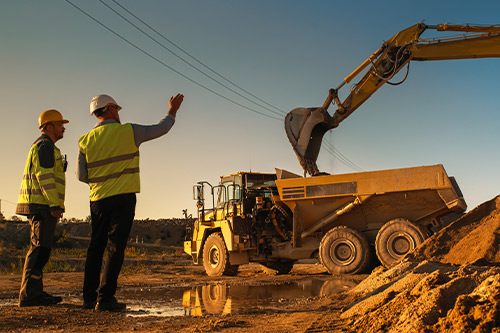
Two men wearing yellow vests are next to a dump truck, illustrating the impact of construction on McAllen's economic development.

When investing in commercial construction in McAllen, selecting the right contractor can make the difference between project success and costly setbacks. Local experience matters. Contractors familiar with McAllen’s unique building codes, climate considerations, and business landscape deliver more efficient and compliant results.

Guzman Construction combines local expertise, quality craftsmanship, and full-project experience to help McAllen businesses turn these operational benefits into reality.

  • End-to-end project management: From site assessment and planning through construction and finishing touches, Guzman provides seamless support at every stage
  • Quality craftsmanship:  Every commercial build uses premium materials and adheres to high-quality standards
  • Transparent communication: Regular updates and clear documentation keep you informed throughout your project
  • Local expertise: Intimate knowledge of McAllen’s commercial landscape ensures compliance with all regulations

Clients consistently praise Guzman’s ability to make complex commercial projects feel manageable and straightforward. Their commitment to working hand-in-hand with clients helps your commercial vision become a reality without unexpected complications or delays.

Grow your business with a commercial space that works as hard as you do. Contact Guzman Construction today to discuss how their commercial construction expertise can fuel your business growth in McAllen. to elevate your business with a top-tier commercial construction project in McAllen. Learn more about our commercial construction services here.

FAQs About Construction Business in McAllen
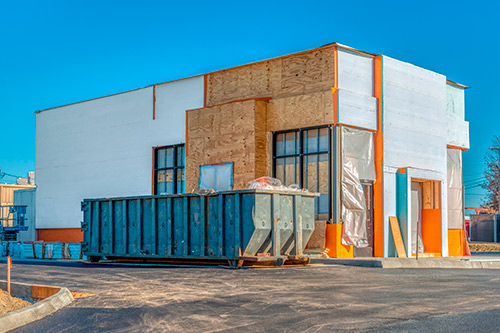
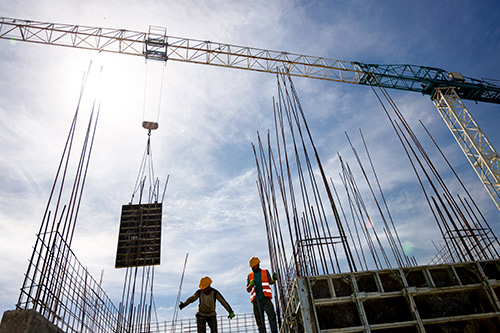
A construction site featuring a building in progress, highlighting McAllen's commercial development impact.

1. How long does a typical commercial construction project take in McAllen?

Project timelines vary depending on size, complexity, and permitting, but most small to medium commercial builds take 6–12 months, while larger projects can extend to 18 months or more. Experienced contractors help streamline the process to meet business deadlines.

2. What permits and approvals are required for commercial construction in McAllen?

Commercial projects generally require building permits, zoning approvals, environmental assessments, and inspections from city or county authorities. Local contractors like Guzman Construction can guide businesses through these regulatory steps efficiently.

3. Can I customize a commercial building for my specific industry?

Yes. Commercial construction can be tailored to fit industry-specific needs, from retail and office layouts to warehouses and medical facilities. Design considerations include workflow, storage, accessibility, and compliance with industry standards.

4. How can commercial construction impact my operating costs?

Modern, energy-efficient construction can reduce utility expenses, minimize maintenance costs, and enhance operational efficiency. Investing in sustainable design may have higher upfront costs but often results in long-term savings.

5. What factors affect the cost of commercial construction in McAllen?

Costs depend on square footage, materials, design complexity, labor, and permitting requirements. Additional factors like sustainability features, custom finishes, and technological integrations can also influence the total investment.

6. How do I choose the right commercial construction contractor?

Look for local experience, proven track records, transparent communication, project management capabilities, and knowledge of McAllen’s regulations. Referrals, portfolios, and client testimonials are helpful in making an informed choice.

7. Is it possible to expand or modify my commercial building in the future?

Yes. Forward-thinking commercial construction incorporates flexibility for future growth or reconfiguration, reducing the need for costly renovations and allowing your space to adapt to changing business needs.

8. How does commercial construction affect my company’s brand image?

Well-designed, modern, and accessible commercial spaces reinforce professionalism, attract customers, and enhance employee satisfaction. Thoughtful design communicates quality and reliability, strengthening your brand presence in McAllen’s competitive market.

Why Choose Guzman Construction for Your Commercial Project

End your search for the right construction partner—Guzman Construction delivers the expertise, craftsmanship, and reliability your business deserves.
How to Hire a Trusted Commercial Construction Contractor in McAllen

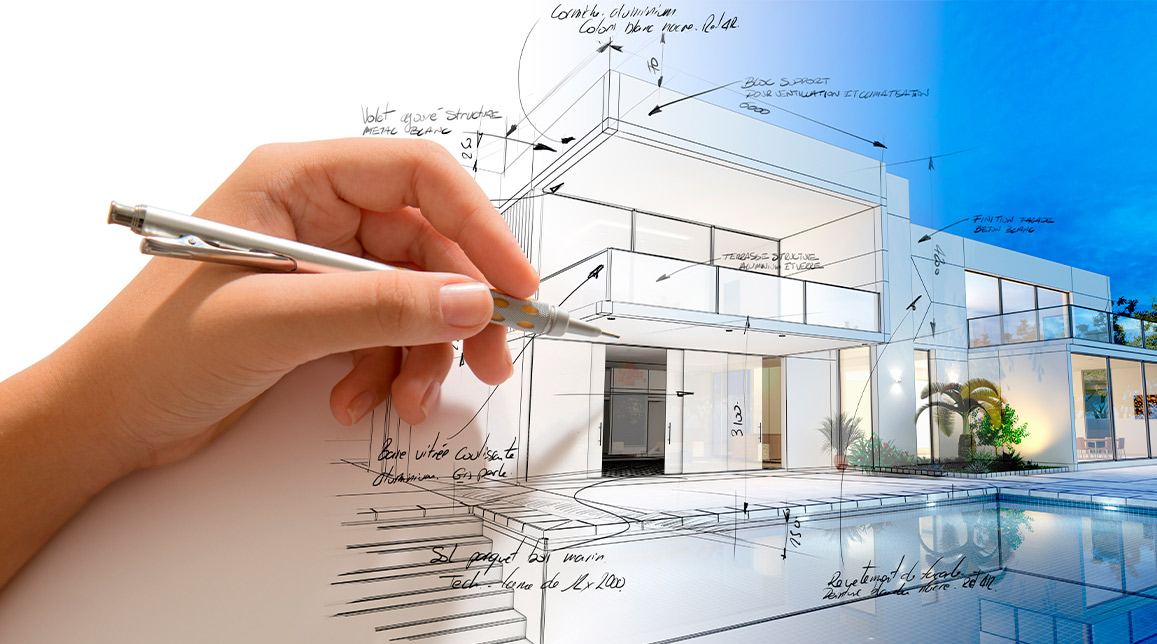
A person sketching a house design with a pencil, illustrating the planning phase of commercial construction in McAllen.

McAllen, Texas, is growing fast, with new businesses and commercial developments popping up across the city. This thriving commercial sector continues to fuel construction demand across the Rio Grande Valley. As businesses expand and new ventures emerge, selecting the right commercial construction contractor becomes an important decision that can determine the success or failure of your investment. Commercial construction projects are complex undertakings that require significant financial commitment and careful planning.

Choosing a commercial contractor isn’t just about pouring concrete. It’s about choosing a long-term, experienced partner who can:

A designer collaborating on a project with a laptop, immersed in work within a modern office environment.

  • Interpret your design goals
  • Stay within budget
  • Manage timelines
  • Comply with building codes and regulations
  • Optimize resources
  • Prevent legal and structural risks
  • Deliver quality results that stand the test of time

A trusted contractor brings experience, problem-solving skills, and transparency, everything you need to guarantee a successful project. They understand the unique challenges of McAllen’s construction landscape, from climate considerations to local building codes.

Conversely, partnering with an unreliable contractor can lead to costly consequences:

  • Construction delays
  • Budget overruns
  • Poor workmanship
  • Legal complications

The risks extend beyond immediate financial losses to long-term structural issues and reputation damage. With so much at stake, thorough contractor evaluation becomes a foundational first step in your commercial construction journey.

Key Qualities to Look for in a Commercial Contractor

Before hiring, understand the traits that separate high-caliber contractors from the rest. A checklist is useful, but context is indispensable.

What Separates Top Contractors from the Rest

Quality Why It’s Important
Commercial Experience Contractors must understand complex systems (HVAC, compliance, fire codes, etc.)
Licensing & Insurance Guarantees legal compliance and limits your liability in case of damage or injury
Local Reputation Shows consistency and familiarity with McAllen’s zoning laws and suppliers
Transparent Communication Reduces delays, budget surprises, and keeps you updated at every step
Strong Portfolio Offers proof of capability on projects similar in size and scope
Proper Credentials Verifies that the contractor meets all professional and regulatory standards
Positive Reviews Reflects customer satisfaction and builds trust in their workmanship and service
Project Management Skills Confirms the project stays on schedule, within budget, and meets quality standards
Proven Track Record Demonstrates consistent delivery of successful projects over time
Completed Complex Projects Shows ability to handle unique challenges, custom builds, and larger-scale developments

Experience in the same city matters. Local contractors know weather patterns, labor availability, and regional permitting.

Building Your Shortlist: The Research Phase

A businessman using a laptop to check a checklist, highlighting the need for trusted commercial construction services in McAllen.

Finding the right commercial contractor in McAllen requires thorough research and due diligence. Start by creating a shortlist of potential contractors.

How to Build a Reliable Contractor List

  • Start online: Use industry sites, Better Business Bureau listings, and Google reviews.
  • Ask around: Local business owners and commercial real estate agents are great sources.
  • Check affiliations: Look for memberships in groups like the Associated General Contractors of America (AGC).
  • Review portfolios: Make sure their previous work matches your project’s size and type.

Tips for Vetting Your Options

When selecting a commercial contractor in McAllen, carefully vetting your options is essential to verify quality, reliability, and a successful project outcome. Use the following tips to guide your evaluation process:

Action Purpose
Ask for references Speak to previous clients directly about timelines and satisfaction
Visit completed projects See quality firsthand. Don’t just rely on photos
Check licenses and certifications Confirm they’re licensed to perform commercial construction in McAllen.
Read insurance details Confirm coverage includes worker’s comp and general liability

The best predictor of future performance is past performance.

The Bidding Process: More Than Just a Price Tag

Once you have a shortlist, it is time to compare bids. But don’t just look at the numbers: look at the value.

  • What a Professional Bid Should Include:
  • Itemized material and labor costs
  • Timeline with project phases
  • Clear payment schedule
  • Material specifications (brands, quality, origin)
  • Warranty information
  • Contingency planning

The lowest bid can cost the most in the long run if it overlooks crucial details or uses substandard materials.

Face-to-Face Interviews: Read Between the Lines

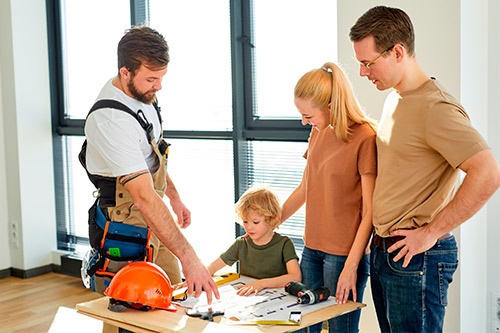
A family collaborates on a construction project, showcasing teamwork and shared effort in McAllen.

The interview stage gives you the opportunity to gauge professionalism and project fit.

Sample Questions to Ask:

  • How do you handle timeline delays?
  • Who will be my main point of contact?
  • How do you communicate progress?
  • Can I visit one of your active sites?

Red Flags to Watch For

Being aware of common warning signs can help you avoid contractors who may compromise the quality, safety, or reliability of your commercial construction project. Watch for these red flags during your evaluation:

Warning Sign Possible Implication
Vague answers to technical questions May lack relevant commercial experience
Pushback on site visits Potential quality or safety concerns
No references Unproven track record
Unwillingness to document changes Can lead to budget creep and legal disputes

Request to review current projects to evaluate work ethic, safety practices, and site organization.

Managing the Construction:  From Blueprint to Final Walkthrough

Once you’ve selected a contractor, the real work begins. Establishing clear expectations through detailed contracts is your first priority.

Your Project Management Blueprint:

  • Contract Details: Include timeline, specs, penalties for delays, payment milestones.
  • Change Orders: Require written documentation for all changes to cost or scope.
  • Point of Contact: Appoint one consistent person for all communication.
  • Progress Meetings: Schedule regular updates and walk-throughs.
  • Contingency Planning:
Budget for Unexpected Costs Recommended Allocation
Materials cost increases 5–10% of total budget
Permitting delays 2–5%
Design modifications 5–10%

Always budget 10–20% for unforeseen costs. Even the best plans need backup.

Final Steps:  Walkthrough and Project Handover

Before signing off, perform a detailed walkthrough. Use your original specs and plans as a checklist.

Final Walkthrough Checklist:

  • Walls, floors, and finishes match design
  • Electrical, plumbing, HVAC systems tested
  • Doors, windows, and locks function correctly
  • Fire and safety systems are installed and approved
  • All permits, certificates, and warranties delivered

A detailed walkthrough helps catch issues early and facilitates a smooth handover.

Partnering with the Right Commercial Construction Contractor

A man and woman shake hands over a blueprint, representing partnership and trust in McAllen's commercial construction industry.

Choosing the right commercial construction contractor in McAllen isn’t just a task. It’s an investment in the future of your business. With trusted partners, clear planning, and proactive communication, your project can exceed expectations.

Partner Spotlight: Guzman Construction: Your McAllen Experts

At Guzman Construction, we specialize in commercial and residential construction throughout the Rio Grande Valley. Our team brings decades of local experience, craftsmanship, and full transparency from concept to completion.

Whether you’re building a retail space, office complex, or custom home, Guzman Construction offers:

  • Expert project planning
  • Transparent budgeting
  • Skilled local crews
  • Clear communication from start to finish

Start your construction journey with Guzman Construction today.

Frequently asked questions (FAQ) about hiring a commercial contractor:

1. How is a commercial contractor different from a residential contractor?

Commercial contractors handle larger-scale projects that require knowledge of structural steel, HVAC systems, fire safety codes, and ADA compliance. Residential contractors typically work on homes and may not have the licensing or experience required for commercial standards.

2. How do I verify a contractor’s license and insurance?

Ask for their license number and confirm it through your state or local licensing board. Also, request proof of insurance, including general liability and workers’ compensation, and call the provider to verify if it is current and sufficient.

3. What should I ask a commercial contractor before hiring them?

Ask about their:

  • Experience with similar projects
  • Timeline and process
  • Crew and subcontractor management
  • Safety practices
  • Change order procedures
  • References and past clients

4. What’s included in a commercial contractor’s estimate?

An estimate typically includes labor, materials, equipment rental, permits, overhead, and profit margin. Make sure it clearly breaks down each cost and outlines what is and isn’t included to avoid surprises later.

5. How long does a commercial construction project take?

Project timelines vary based on size, complexity, weather, permitting, and change orders. A small build-out may take a few weeks, while new construction could take several months to a year. Ask for a timeline with milestones before signing a contract.

6. How do commercial contractors handle project delays or changes?

Professional contractors will include a change order process in the contract, allowing for clear documentation of scope, time, and cost changes. They should also communicate delays promptly and provide revised timelines.

7. Why is project management experience important in commercial contracting?

Strong project management keeps tasks on schedule, coordinates subcontractors efficiently, handles budgeting, and reduces costly delays. A contractor with proven management skills helps ensure smooth execution from start to finish.

Understanding Commercial Construction Costs in Texas

builder working on plane. Understanding Commercial Building Construction Costs in Texas: cover image.

Thinking about constructing a commercial building in Texas? Buckle up—it’s a wild ride! With booming cities, a strong economy, and ever-changing market trends, Texas is a hotspot for commercial development. But before you break ground, it makes sense to understand the involved steps.

Whether you’re an investor, developer, or business owner, knowing what goes into commercial building costs in Texas can help you budget smarter and avoid nasty surprises. And let’s be real—no one likes unexpected costs throwing off their plans!

So, let’s understand what makes commercial construction in Texas tick (or cost a pretty penny).

What Drives the Cost of Commercial Construction in Texas?

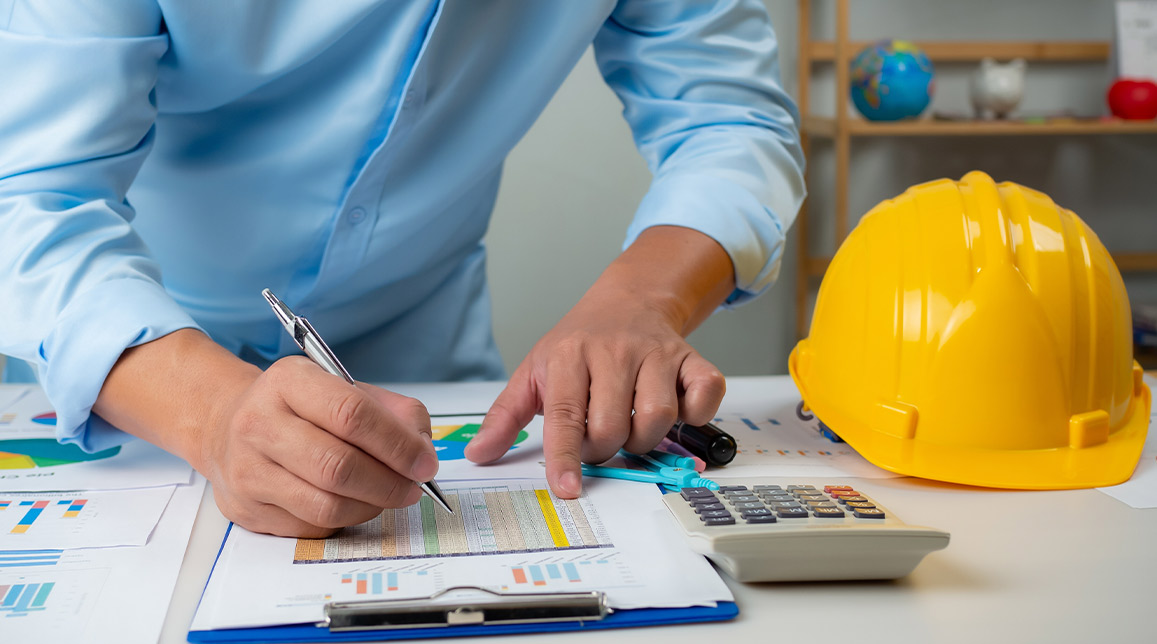
2 persons reviewing tablet and building planes.

Commercial construction costs per square foot vary wildly depending on several factors, and Texas is no exception. Here’s what plays a big role:

Location, Location, Location!

Texas is massive, and costs fluctuate depending on whether you’re in the heart of Houston or a small town like Amarillo.

  1. Big cities = Big price tags – Dallas, Austin, and Houston have higher land costs and pricier labor due to high demand.
  2. Smaller towns = Potential savings – More affordable land and lower labor costs can make rural areas appealing.
  3. Suburban growth – The rise of mixed-use developments in suburban areas like Plano or Round Rock is creating mid-tier cost opportunities, offering a balance between urban and rural pricing.

Type of Building

Not all commercial buildings cost the same, and different industries have unique needs that impact commercial building construction costs per square foot significantly. An industrial warehouse in San Antonio will be much cheaper per square foot than a luxury office tower in downtown Austin. Still, each structure comes with its own set of requirements and associated expenses.

  • Retail spaces – Moderate pricing, but tenant build-outs can be costly depending on customization needs and lease agreements.
  • Office buildings – Higher costs, especially in prime business districts. Open-plan offices might be more affordable than high-end executive suites with premium finishes.
  • Warehouses and industrial facilities – Generally more affordable but require special infrastructure like reinforced flooring, loading docks, and advanced ventilation.
  • Mixed-use developments – Growing in popularity, these combine office, retail, and residential spaces, making cost estimations more complex but potentially more lucrative.
  • Hospitality and entertainment venues – Hotels, restaurants, and event centers often demand premium materials, custom interior work, and adherence to strict zoning and safety regulations, increasing overall costs.
  • Medical and research facilities – Highly specialized construction that includes compliance with health codes, advanced HVAC systems, and medical-grade materials, which can push costs significantly higher.

Market Conditions

Texas, like the rest of the country, is dealing with supply chain disruptions, inflation, and labor shortages.

  • Material costs – Steel, concrete, and lumber prices have fluctuated dramatically in recent years.
  • Labor shortages – A high demand for skilled workers means higher wages, adding to overall costs.
  • Inflation and interest rates – Rising costs of borrowing can impact overall project feasibility and timelines.
  • Climate and weather impact – Extreme heat, hurricanes, and flooding risks in coastal areas can lead to additional costs for weather-proofing structures.

Breaking Down Commercial Construction Costs

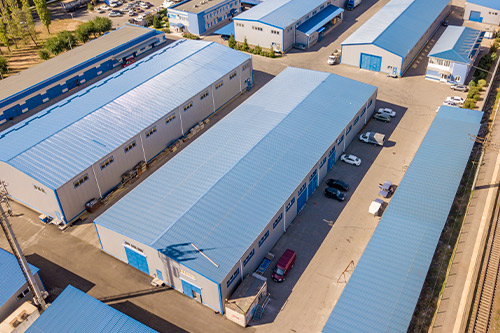
big storages: aerial view.

Understanding where your money is going is the next step to managing your budget. Here’s how commercial construction costs in Texas typically break down:

Hard Costs (75-85% of the Total Budget)

  • Materials – Concrete, steel, glass, insulation, and other essentials. The cost depends on availability, demand, and any region-specific requirements, such as hurricane-resistant materials in coastal areas.
  • Labor – Skilled workers aren’t cheap, especially in high-demand metro areas. Trades such as electricians, plumbers, and HVAC specialists command higher wages due to their expertise.
  • Equipment – Cranes, bulldozers, and specialty tools all add up. Renting vs. purchasing equipment can impact costs, depending on project duration.
  • Foundation and structural work – Depending on soil conditions, additional reinforcement may be needed, especially in regions with high clay content or flood-prone zones.

Soft Costs (8-12% of the Budget)

  • Permits and inspections – Varies by city but can range from 0.5% to 2% of the total project cost. Special zoning requirements or environmental impact studies can drive up costs.
  • Design and engineering fees – Hiring architects, engineers, and consultants isn’t cheap but is necessary for compliance and functionality.
  • Legal fees and insurance – Coverage for liability, worker’s compensation, and construction defects can be costly, particularly for larger projects.
  • Project management and administrative costs – Overhead for keeping the project on schedule, coordinating contractors, and handling logistics.

Operational Costs (The Long-Term Expenses)

  • Utilities, maintenance, and repairs – Ongoing costs that should be factored into your investment.
  • Insurance and property taxes – Bigger buildings mean bigger tax bills. Energy-efficient designs may help lower long-term costs.
  • Security systems and safety compliance – Fire suppression systems, alarms, and surveillance setups add to initial and operational costs.
  • Sustainability investments – LEED certification, solar panels, and water-saving features may increase upfront costs but lead to long-term savings.

By understanding these categories in detail, developers can better plan their budgets and anticipate potential financial challenges.

How Commercial Construction Price Vary Across Texas: Cost per Square Foot

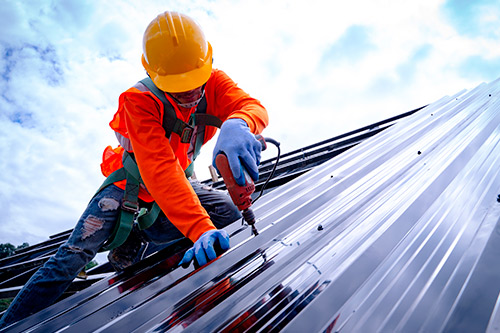
Builders using safety equipment, working on metal structure.

While Texas as a whole falls within the southern U.S. construction cost range of $240 to $680 per square foot, significant variations exist between different regions of the state. Depending on where you’re building, you could see vastly different price points due to factors like local labor markets, land costs, zoning regulations, and material availability. Here’s a closer look at the major metropolitan areas:

  • Houston – With a thriving energy sector and a high demand for industrial and commercial buildings, Houston sees relatively high construction costs. However, expansive land availability sometimes helps keep prices in check compared to other large cities.
  • Dallas-Fort Worth – As a major business and financial hub, DFW has some of the highest commercial construction costs in Texas. Office spaces, retail developments, and mixed-use projects in downtown Dallas or Fort Worth suburbs can be expensive due to land costs and demand for premium-grade buildings.
  • Austin – Known as the tech capital of Texas, Austin is experiencing rapid commercial growth. With an influx of businesses and talent, construction costs have soared, particularly in downtown and high-tech corridors. Limited land availability and regulatory constraints further drive up expenses.
  • San Antonio – Generally more affordable than Houston, Dallas, or Austin, San Antonio offers competitive land and labor costs. However, historic preservation rules and tourism-related zoning in some areas can add additional costs for developers.
  • El Paso and West Texas – This region sees some of the lowest commercial construction costs in the state due to lower demand and ample land. However, remote locations may increase logistics costs for material transportation.

A standard office building in Dallas might cost $461 per square foot, while in Houston, it could be closer to $500+ due to additional regulations and infrastructure needs. These regional differences make location-specific budgeting a crucial part of the planning process. Conducting thorough market research and engaging with local construction experts can help navigate these variations effectively.

You may be interested in: The Real Cost of Building a Home in McAllen: An Expert Guide

Build-Out Costs: What’s the Price of Customization?

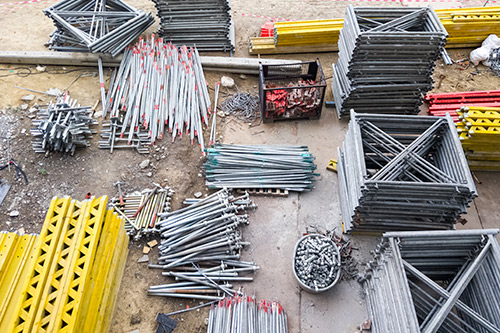
construction materials for buildings.

If you’re leasing or developing a commercial space, the cost of customizing the interior—also known as a “build-out”—can be significant. This process transforms a raw or existing space into a fully functional business environment tailored to the specific needs of tenants or owners.

Types of Build-Outs

  • Shell build-outs – This involves finishing an empty space, including flooring, walls, ceilings, HVAC, electrical, and plumbing installations. Costs can start at $50 per square foot but vary widely based on the location and specifications.
  • Tenant improvements (TI) – Custom modifications requested by tenants, such as adding partitions, specialized lighting, or branding elements. These can range from $75 to $150 per square foot, depending on complexity.
  • High-end or specialized build-outs – Spaces requiring premium finishes, custom millwork, smart technology, or industry-specific installations (e.g., medical offices, tech labs) can exceed $200 per square foot.

Cost Factors

  • Design complexity – More intricate layouts and custom features drive up costs.
  • Regulatory compliance – Meeting building codes, ADA requirements, and industry-specific standards can add expenses.
  • Materials and finishes – High-end materials (e.g., marble flooring, glass partitions) significantly impact budgets.
  • MEP systems (Mechanical, Electrical, Plumbing) – One of the biggest expenses, particularly in older buildings needing upgrades.
  • Construction timeline – Expedited build-outs often require premium pricing for labor and materials.

Developers and business owners should budget carefully for build-outs, negotiate lease agreements that may include tenant improvement allowances, and explore cost-effective solutions to ensure a successful commercial space transformation.

How to Keep Costs Under Control

Construction. metal beams. Building commercial and residential construction.

Managing your budget is necessary to make your project successful. Here are some tried-and-true strategies:

  1. Plan everything in detail: A well-thought-out plan minimizes unexpected costs.
  2. Choose the right contractors: Experienced contractors who know Texas regulations can save you money and time.
  3. Value engineering: A fancy term for finding ways to reduce costs without sacrificing quality. For example, using high-quality vinyl instead of real hardwood flooring can cut costs significantly.
  4. Phased construction: Building in stages can help manage cash flow and adjust to market changes.
  5. Sustainability for the win: Green building materials and energy-efficient systems might cost more upfront but save money in the long run through lower energy bills.

Watch Out for Hidden Costs!

Even the best-planned projects can face unexpected expenses. Common hidden costs include:

  • Permit delays and regulatory changes – Local regulations can change unexpectedly, and delays in obtaining permits can stall your project, leading to additional holding costs.
  • Soil and site issues – Poor soil conditions, unexpected underground utilities, or contamination can result in expensive foundation work or remediation efforts.
  • Change orders and design modifications – Any mid-project alterations, whether due to unforeseen issues or client preferences, can significantly increase costs.
  • Material price fluctuations – Global supply chain issues and local market demand can cause sudden spikes in material costs, impacting your budget.
  • Weather delays – Texas is no stranger to extreme weather, from hurricanes on the coast to unpredictable storms that can slow construction progress.
  • Labor shortages and wage increases – The demand for skilled workers can lead to higher wages and potential delays if labor is in short supply.
  • Utility connection fees – Costs for water, sewer, electricity, and gas connections may be higher than expected, particularly in new development areas.
  • Insurance and liability costs – Unexpected insurance requirements or claims can add financial strain to your project.

Smart Budget Your Commercial Building Project with Guzman Construction

Navigating commercial building costs in Texas requires smart planning, market awareness, and adaptability. With the right strategies, you can keep costs under control while still building a high-quality, profitable property.

Want to build smart in Texas — on time and within budget? Plan ahead, work with experts of Guzman Construction, and keep a close eye on your budget. Guzman Construction has the expertise, efficiency, and innovation to bring your vision to life. From planning to execution, we handle every detail with precision and professionalism.