

If you’re planning to build a residential or commercial property in the Rio Grande Valley (RGV), you will need building permits. Which means you need to know how to get the process done right so you can move on to actually creating the space you need. Save time, money, and legal headaches with this guide, which simplifies the process of obtaining building permits in the Rio Grande Valley by detailing requirements, costs, timelines, and common challenges.
What are building permits?
Building permits are official approvals issued by local government agencies that allow construction or renovation projects to proceed legally. These permits make sure that the construction complies with local zoning laws, building codes, and safety regulations.
Failure to obtain the proper permits can result in fines, project delays, or even the forced removal of unauthorized structures. For property owners in the RGV, obtaining the correct permits is especially important due to region-specific requirements and environmental considerations.
Why do building permits matter in the Rio Grande Valley?
The Rio Grande Valley’s unique geography and climate require specific construction considerations, such as windstorm certifications, floodplain zoning, and energy efficiency standards. Municipalities in the RGV enforce building permits to keep occupants and workers safe. These permits regulate construction practices that align with national and regional codes.
Building permits also play an important role in environmental protection by making sure that developments adhere to rules that safeguard natural habitats and resources. Compliance with building codes also means that buildings meet minimum safety and design requirements. Lastly, accurate and lawful permitting allows local governments to assess property values correctly, which contributes to fair and accurate property tax assessments.
What types of building permits are in the RGV?
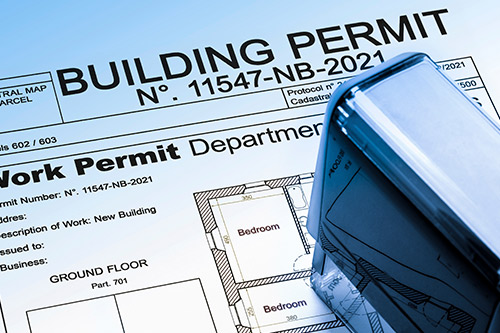
Residential Building Permits
Residential building permits are issued for single-family homes, duplexes, and other dwelling units.
Commercial Construction Permits
Commercial construction permits apply to offices, retail spaces, warehouses, and mixed-use developments, where compliance with commercial regulations is essential.
Remodeling and Renovation Permits
Remodeling and renovation permits are needed for both interior and exterior updates, including projects like kitchen remodels, bathroom upgrades, or roof replacements.
Mechanical, Electrical, and Plumbing (MEP) Permits
Mechanical, electrical, and plumbing (MEP) permits regulate the safe installation and modification of essential systems in both residential and commercial properties.
Demolition Permits
Demolition permits are necessary before tearing down existing structures, helping authorities manage debris disposal and ensure structural safety during and after demolition.
What are the permit requirements in the RGV?
Completed Permit Application
A completed permit application form is the foundational step. This document contains basic project details for review by the relevant authorities. .
Site Plan or Plat Map
A detailed site plan or plat map outlines the project’s footprint and lot boundaries to ensure proper land use.
Construction Drawings or Blueprints
These documents show how the building will be constructed, including dimensions, materials, and systems integration.
Engineering and Architectural Approvals
Structural elements must be reviewed and approved by licensed engineers and architects.
Energy Compliance Forms
Forms such as REScheck demonstrate that the building meets energy efficiency standards.
Contractor Licensing and Insurance
Documentation must confirm that the contractor holds valid licenses and liability insurance.
Pro Tip: Always verify requirements with the local building department in your specific municipality, whether that be McAllen, Harlingen, Brownsville, or Edinburg.
What are some common challenges with building permits in the RGV?

Zoning Conflicts
Zoning laws regulate land use and property layout, and any attempt to construct a building that doesn’t align with the area’s zoning designation results in permit denial. For example, proposing a commercial facility in a residential-only zone is typically not allowed without a special exception or zoning change.
Incomplete Documentation
Submitting an application that lacks must-have elements, such as structural plans, site surveys, or energy calculations, often leads to delays. Building departments require full documentation to review projects comprehensively and make sure they comply with all codes.
Code Violations
The RGV jurisdictions follow the International Building Codes (IBC) which are often modified with local amendments. Not adhering to these detailed codes, for instance, by using unapproved construction methods or materials, can halt the permitting process until corrections are made.
Floodplain Restrictions
Because parts of the RGV lie within designated floodplains, special regulations and permits may be necessary, depending on where you are building. These could include elevation certificates, flood-proofing designs, or drainage plans, all of which must be approved before building begins. Learn more at FEMA’s floodplain development page.
Windstorm Certifications
Coastal counties in the RGV, such as Cameron and Willacy, fall under Texas Department of Insurance (TDI) regulations that mandate windstorm inspections. Structures must be built to withstand hurricane-force winds, and failure to meet these criteria can result in disqualification from insurance coverage.
Step-by-Step: How to Get a Building Permit in the RGV
Here are some of the most important steps you can take to obtain your RGV building permit.
- Consult with a licensed contractor
Start by hiring a licensed local contractor. A knowledgeable builder will help assess your project scope, identify which permits you need, and guide the preparation of documents. - Prepare the necessary documents
Collect blueprints, site plans, energy compliance forms, and engineering approvals. - Submit the application
Submit your application to the appropriate city department, either in person or online, depending on the jurisdiction. - Pay permit fees
Pay the required fees, which may include plan review charges and inspection deposits. - Plan review
The city reviews your documents for code, zoning, and safety compliance. Expect revisions. - Schedule inspections
As construction progresses, schedule mandatory inspections at stages like foundation, electrical, and framing. - Receive final approval
After passing all inspections, you’ll receive a certificate of occupancy to officially use the space.
What are some tips for hassle-free permit approvals?

Start early
One of the most effective ways to prevent delays in the permitting process is to start early. Some permits may be approved within a few days, but more complex projects can take several weeks, or longer, especially if revisions are required. By beginning the application process well in advance of your planned groundbreaking date, you give yourself ample time to address unexpected issues, submit revisions, and meet project deadlines without unnecessary stress.
Hire a local expert
Hiring a contractor or permitting consultant who is familiar with Rio Grande Valley municipalities can significantly streamline your experience. Local experts understand the nuances of city-specific building codes, documentation expectations, and common pitfalls. Their experience navigating local permitting systems, whether in McAllen, Edinburg, Harlingen, or Brownsville, can help avoid delays caused by incomplete submissions or overlooked requirements.
Stay organized
Organization plays a crucial role in managing the permitting process efficiently. Keep both digital and hard copies of all permit applications, architectural drawings, engineering reports, communications, and approvals. Having quick access to these documents allows you to respond promptly to inquiries or requests from the building department, which can keep your project moving forward without disruption.
Communicate clearly
Clear and consistent communication with municipal officials is essential. Many delays occur not because of errors, but due to misunderstandings or lack of follow-up. Always respond to emails or calls from the permitting office in a timely manner, and don’t hesitate to ask questions if a requirement or comment is unclear. Building a cooperative relationship with permitting staff can often help resolve issues more quickly and keep your application on track.
Navigating the building permit process in the Rio Grande Valley doesn’t have to be overwhelming. With the right knowledge, preparation, and local support, you can move from concept to construction with greater clarity and fewer delays. Whether you’re developing a new residential community, expanding a commercial space, or remodeling your dream home, understanding local permitting requirements is the key to building safely and legally.
At Guzman Construction, we help clients across the Valley turn their visions into reality. From preparing site plans and managing permits to executing high-quality builds, our experienced team is here to simplify the process and ensure every detail meets regional codes and expectations. Reach out today to schedule a consultation and start building with confidence.