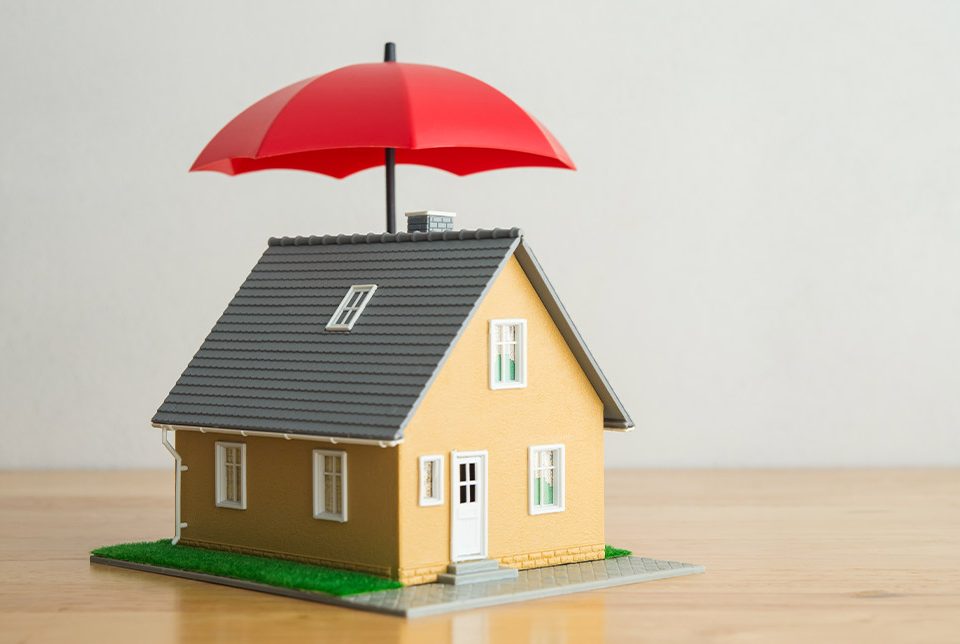

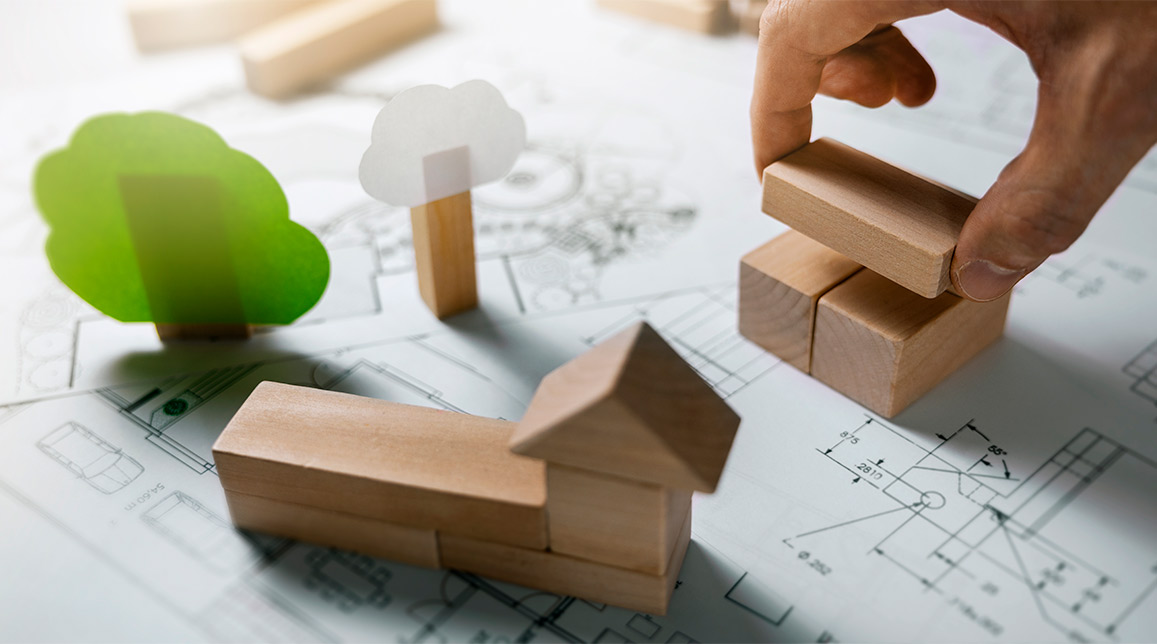
As climate concerns grow and homeowners become increasingly environmentally conscious, the demand for eco-friendly and durable building materials is on the rise. The construction industry alone contributes to a staggering 37% of global greenhouse gas emissions, making the shift toward sustainable building practices more crucial than ever.
Sustainable building materials are those that do not harm the environment during their production, use, or disposal, and can be easily recycled. Choosing these alternative building materials offers a triple benefit:
- Environmental protection through reduced carbon emissions,
- Economic advantages with 25-35% energy savings, and
- Health improvements for occupants through better indoor air quality and thermal comfort
The foundation of your home, both literally and figuratively, sets the tone for its overall sustainability. By incorporating eco-friendly materials from the ground up, homeowners can create structures that remain environmentally responsible throughout their entire lifecycle, from construction to eventual demolition.
10 Sustainable Building Materials for Homes to Consider
Today’s eco-conscious homeowners have more sustainable building material options than ever before. Whether for construction, insulation, or flooring, these materials not only enhance your home but also benefit the environment. Here are ten outstanding alternatives that combine environmental benefits with exceptional performance:
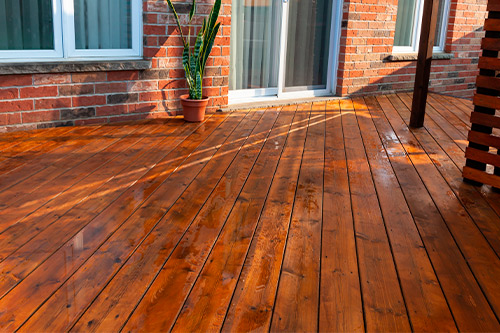
- Reclaimed Wood gives new life to timber from old buildings, reducing demand for virgin forest products. Often harvested from old-growth forests, reclaimed wood typically offers superior strength and a unique aesthetic character, making it perfect for exposed beams, flooring, and decorative elements.
- Sheep’s Wool Insulation offers natural moisture regulation and excellent thermal performance. Unlike synthetic alternatives, wool insulation absorbs and releases humidity without compromising its insulating properties, making it particularly valuable in humid environments. It’s naturally fire-resistant, non-toxic, and biodegradable at the end of its useful life.
- Bamboo is a rapidly renewable resource that reaches maturity in just 3-5 years. This versatile grass absorbs significant CO2 while growing and offers an impressive strength-to-weight ratio, making it excellent for flooring, furniture, and even structural elements.
- Recycled Steel maintains its structural properties through an infinite number of recycling cycles. Did you know steel is the most recycled material globally, exceeding plastic, paper, aluminum, and glass combined? Its strength, durability, and corrosion resistance make it ideal for structural framing, roofing, and window frames.
- Hempcrete is a blend of hemp fibers and lime, creating lightweight, insulating building blocks. This carbon-negative material offers excellent thermal regulation, moisture control, and fire resistance while sequestering carbon throughout its lifecycle, making it an ideal choice for use in walls and insulation in energy-efficient homes.
- Rammed Earth utilizes compacted soil mixtures to create solid, thermally massive walls. This ancient technique has been modernized for contemporary applications, delivering exceptional durability and thermal performance while minimizing embodied energy. Its natural aesthetic and excellent thermal mass make it particularly suitable for areas with significant day-night temperature fluctuations.
- Cork is harvested sustainably from oak tree bark without harming the trees, which regenerate their bark approximately every decade. Naturally resistant to moisture, fire, and pests, cork provides excellent thermal and acoustic insulation, making it perfect for flooring, wall coverings, and insulation applications.
- Straw Bale construction repurposes agricultural waste into high-performance building elements. These thick-walled structures offer exceptional insulation and sound dampening while sequestering carbon. Finished adequately with earth or lime plaster, straw bale walls are surprisingly fire-resistant and durable, perfect for exterior walls in many climate zones.
- Recycled Plastic diverts waste from landfills and oceans while creating durable building materials. Innovative manufacturers transform plastic waste into a wide range of products, including decking and siding, insulation, and roofing tiles. These products typically resist moisture, insects, and decay better than many traditional materials.
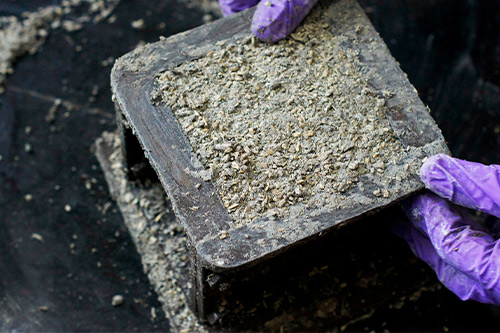
- Mycelium is the vegetative root structure of mushrooms that can be grown into customized shapes and building materials. This truly revolutionary, carbon-negative material creates fire-resistant, highly insulating, and completely biodegradable products. Mycelium is currently used for insulation, acoustic panels, and even furniture components.
By incorporating these sustainable materials into your home design, you’re not only reducing environmental impact but also often gaining superior performance and distinctive aesthetic appeal. The following section will help you determine which of these materials best suits your specific home project.
How to Choose the Right Alternative Building Materials for Homes
Selecting the ideal sustainable materials for your home requires careful consideration of several key factors. Here are the most important details, with additional information provided in the table below.
Consider your local climate
- Materials perform differently in different environments.
- In humid areas like McAllen, bio-based insulation (e.g., sheep’s wool, hemp) effectively manages moisture.
Factor in your budget
- Sustainable materials may cost more upfront, but they often result in lower long-term energy and water bills.
- Green buildings can reduce energy use by 25–35% and water use by up to 39%.
Prioritize local availability
- Locally sourced materials lower the carbon footprint.
- Proximity reduces transportation emissions and supports regional economies.
Evaluate performance, not just sustainability
- Assess durability, maintenance, and thermal efficiency.
- Reclaimed wood, for example, is strong, beautiful, and eco-friendly.
The table below provides a comparison of ten alternative building materials, highlighting the ideal climate for each, estimated costs, typical sources or availability, and their primary applications in the construction process.
| Material | Climate | Cost | Availability | Purpose |
| Reclaimed Wood | Properly treated. Performs well in most climates | Moderate to high | Available in most regions, especially urban areas | flooring paneling furniture framing |
| Sheep’s Wool | Excellent for humid and cold climates. Moisture-regulating & insulating properties |
Moderate | Region dependant, farming regions | Insulation in roofs, walls, and floors |
| Bamboo | Moderate to humid climates. Degrade in extreme cold without treatment |
Low to moderate | Abundant in tropical and sub-tropical areas. Elsewhere imported | Flooring wall paneling furniture structural elements |
| Recycled Steel | Suitable for all climates; fire and pest resistant | High upfront | Widely available especially industrialized areas | Structural framing roofing |
| Hempcrete | Ideal for temperate climates; not load-bearing and requires a frame | Moderate | Growing availability with hemp legalization | Insulation, non-load-bearing walls |
| Rammed Earth | Dry or temperate climates; not ideal in very humid areas without treatment | Low to moderate but labor intensive | Locally available | Walls & floors |
| Cork | Most climates, naturally resistant to moisture, mold, and fire |
Moderate to high | Limited to regions near cork oak production: mediterranean | Floors, wall panels, insulation |
| Straw Bales | Ideal for dry climates; must be well-sealed in humid areas to prevent rot | Very low | Readily available in agricultural regions | Insulation, wall construction |
| Recycled Plastic | All climates when properly treated and used | Low to moderate | Increasingly available through recycling programs | Insulation composite lumber, bricks, decorative elements |
| Mycelium | Temperate climates; in development for broader use | Currently high emerging tech | Limited but growing with more sustainable R&D | Insulation, biodegradable panels |
Building a Greener Future with Durable, Eco-Friendly Materials

As we’ve explored throughout this article, sustainable building materials represent a crucial step toward creating homes that are not only environmentally responsible but also beautiful, durable, and healthy. By choosing eco-friendly materials, homeowners can significantly reduce their carbon footprint while enjoying spaces that promote wellbeing and connection with nature.
The benefits of sustainable construction extend across three essential dimensions.
- Environmentally, these materials conserve natural resources and reduce waste.
- Economically, they can lead to substantial savings, ranging from 25-35% on energy costs and 39% on water consumption, according to research.
- Socially, they create healthier indoor environments with better air quality and thermal comfort, enhancing overall quality of life.
Whether you’re building from the ground up or renovating, sustainable options exist for every part of your home. From foundation building materials like rammed earth and recycled concrete to finishing touches such as cork flooring and reclaimed wood, eco-friendly alternatives are becoming increasingly accessible and mainstream.
We encourage you to take the first step toward a more sustainable home today. Consult with architects and builders who specialize in green construction, or start small by incorporating just a few sustainable elements into your next project.
At Guzman Construction, we specialize in incorporating sustainable and alternative building materials that reduce your carbon footprint while enhancing the durability and aesthetic appeal of your home. Contact us today to learn more about our eco-friendly construction solutions.