

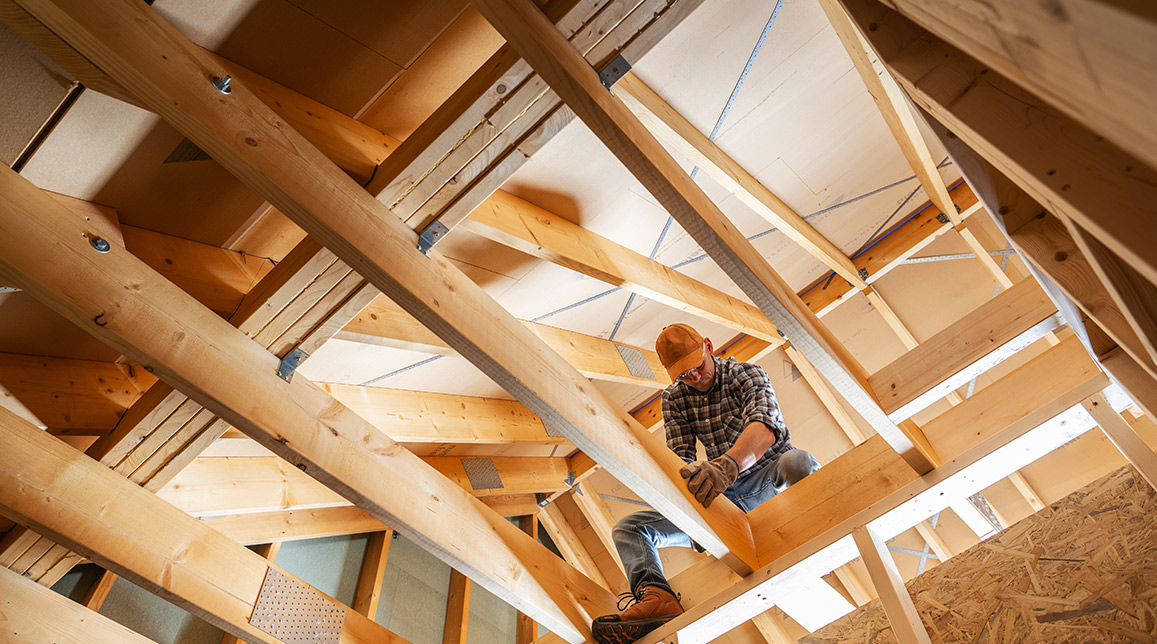
Building a home in the Rio Grande Valley (RGV), which includes vibrant cities like Edinburg, McAllen, Mission, Harlingen, and Brownsville, offers unique advantages thanks to the region’s mild winter climate. Unlike northern parts of Texas, the RGV doesn’t experience freezing temperatures or snow, allowing construction to continue smoothly through the winter months.
Average winter temperatures in the Valley range between 55°F and 75°F, with cooler nights and occasional rain. These moderate conditions make it possible to build comfortably and efficiently while avoiding the scorching summer heat that can hinder progress.
Mild winters don’t mean builders can ignore seasonal challenges. Humidity, rain, and shorter daylight hours can still influence schedules, material handling, and overall productivity. This guide explores how to plan a successful RGV home-building project during winter while maintaining quality and efficiency.
Key Winter Construction Factors in the RGV
Even though the Rio Grande Valley enjoys a subtropical climate, understanding local environmental factors helps avoid delays and material issues.
- Mild Temperatures, Occasional Rain: While the RGV rarely experiences freezing conditions, cold fronts can bring brief rain showers and windy days that temporarily disrupt outdoor work.
- High Humidity: Relative humidity often remains above 60%, even in winter. Builders must manage moisture to prevent warping, paint issues, or slow drying times for concrete and finishes.
- Shorter Daylight Hours: Days in December and January offer roughly 10.5 hours of daylight, requiring careful planning to make the most of working hours.
- Wind Exposure: The Valley’s open terrain and proximity to the Gulf can bring occasional strong winds, especially near South Padre Island or Port Isabel, affecting outdoor work and material stability.
To prepare for these elements, it’s wise to follow seasonal home maintenance tips and plan ahead for material storage and drainage adjustments.
Preparing Your Building Site for a South Texas Winter
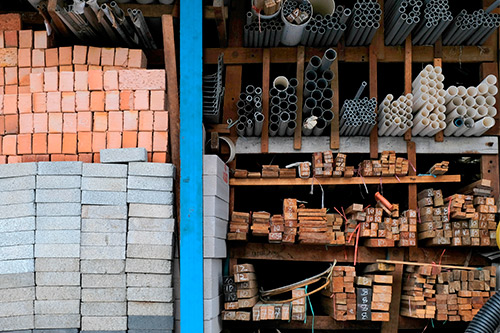 While the RGV doesn’t face frozen ground or snow, smart preparation keeps your site safe, dry, and efficient year-round.
- Plan for Proper Drainage: Even during winter, the Valley can receive 2–3 inches of rain per month, mainly from passing cold fronts. Grading your site correctly and installing temporary drainage systems prevent standing water and foundation issues.
- Protect Building Materials: Moisture management is essential. Store lumber, drywall, and cement above ground and cover them with breathable, waterproof materials. Proper airflow reduces mold and warping.
- Monitor Weather Patterns: South Texas weather changes quickly. Short-lived cold fronts can interrupt work, so scheduling flexibility is key. Allow materials, especially concrete and finishes, to dry properly before proceeding.
- Support Worker Safety: Since daylight is limited, use supplemental lighting and covered work areas. Providing hydration and shaded rest zones keeps teams productive without the fatigue common in summer heat.
Scheduling in the RGV Winter
Unlike regions where construction halts during harsh winters, South Texas builders often prefer winter months because they are more temperate and predictable. Strategic scheduling tips include:
- Prioritize outdoor work early: Use mild days for framing, roofing, and exterior finishes before any rain systems arrive.
- Plan interior work during rain: Schedule drywall, electrical, or cabinetry work during wet spells to maintain momentum.
- Use weather forecasts proactively: Five- to ten-day forecasts help plan around expected rain or wind.
- Coordinate subcontractors efficiently: Communicate frequently with trades and suppliers to handle short-notice schedule shifts.
- Inspect early in the day: Visibility is best in the mornings, and inspectors are less backed up, which reduces delays.
When managed properly, winter can actually accelerate construction timelines because workers experience fewer heat-related slowdowns compared to summer.
Project Management and Advanced Scheduling Strategies for Winter Builds
 To further ensure your winter build runs smoothly, these advanced strategies translate seasonal challenges into actionable planning steps:
1. Build Realistic Timelines
- Include buffer days for potential weather disruptions, consider 20–30% additional time during the peak winter months.
- Schedule outdoor work during dry periods to maximize productivity.
- Account for shorter 7–8-hour winter days by front-loading interior work when light is limited.
2. Coordinate Deliveries and Subcontractors Strategically
- Arrange material deliveries ahead of time to prevent weather-related delays.
- Clusters of similar trade work together to make the most of favorable conditions.
- Maintain flexible contracts with subcontractors, allowing adjustments for unexpected weather.
- Set up indoor staging areas so trades can continue work even during rain or wind.
3. Utilize Weather Forecasting for Adaptive Planning
- Monitor 5–10 day forecasts to schedule sensitive tasks appropriately.
- Develop contingency plans for heavy rain, strong winds, or sudden cold fronts.
- Prepare alternative indoor tasks that can be performed if outdoor work is disrupted.
- Establish seasonal milestones that reflect realistic winter progress.
4. Maintain Strong Communication Channels
- Hold weekly schedule reviews focused on weather-dependent tasks.
- Set clear protocols for halting and resuming work during weather events.
- Use digital project management tools to keep all stakeholders updated in real-time.
- Document any weather impacts for future planning and contractual purposes.
With these strategies, your RGV winter build can maintain momentum, minimize delays, and maximize productivity, even when weather poses challenges. Proper planning and clear communication turn seasonal obstacles into manageable steps, ensuring your home is built efficiently and on schedule.
Choosing the Right Builder and Materials
The Rio Grande Valley’s humidity and heat cycles call for regionally tested materials and builders who understand local conditions.
Partner with experienced local builders:
Local contractors familiar with the Valley’s microclimates, from coastal Harlingen to inland Edinburg, know how to manage humidity, soil conditions, and drainage patterns. Their insight ensures stronger foundations and more energy-efficient homes.
Smart material choices for South Texas homes:
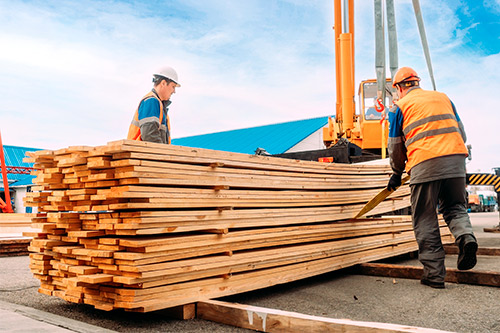
- Concrete: Use moisture-tolerant or fast-curing mixes that perform well in humid conditions.
- Framing: Opt for pressure-treated lumber to prevent mold and swelling.
- Insulation: Choose spray foam or cellulose for better temperature regulation and humidity control.
- Roofing: Reflective materials like metal or cool shingles reduce heat absorption year-round.
By combining locally informed expertise with durable, climate-ready materials, builders can create structures that not only withstand South Texas weather but also make winter construction more efficient, sustainable, and cost-effective year-round.
Why Winter Is the Ideal Time to Build in the Rio Grande Valley
Winter in the RGV brings a perfect blend of mild temperatures, lower humidity, and reduced demand for contractors, making it one of the most efficient times for construction.
Benefits of building during winter:
- Comfortable working temperatures for crews.
- More consistent material performance due to moderate weather.
- Greater contractor availability compared to spring and summer.
- Shorter permit and inspection wait times.
- Fewer weather interruptions than during hurricane or rainy seasons.
You can also incorporate cost-efficient construction strategies and smart home features to make your new build even more future-ready. With careful project planning, building your home in winter can help you save time, reduce costs, and ensure higher-quality craftsmanship.
Build Your Dream Home with Guzman Construction

Partner with Guzman Construction, the Rio Grande Valley’s trusted leader in residential home building. Whether you’re planning in Edinburg, McAllen, Mission, or Brownsville, our experienced team delivers quality results from design to completion.
We specialize in:
- Energy-efficient designs made for South Texas weather.
- In-house financing options that can save homeowners up to $15,000.
- Reliable project timelines that stay on track, even during the winter months.
Our deep understanding of the RGV’s unique climate ensures that your home is built to last, offering both beauty and resilience. Contact Guzman Construction today to schedule a free consultation and discover how we can bring your vision to life, no matter the season.
FAQs About Building a Home in Winter
1. Can I save money by building in winter?
Yes. Winter often sees lower demand for contractors and materials, which can lead to cost savings. Some builders offer off-season discounts, and shorter permit wait times can reduce carrying costs for financing.
2. How does winter construction affect landscaping?
Planting during winter can be tricky since some plants go dormant. It’s often best to focus on hardscaping, soil grading, and drainage during winter, leaving sensitive plantings for spring.
3. Will I face any permitting issues during winter?
Permitting offices in the RGV usually operate year-round. Winter can actually be advantageous, as fewer applications are submitted, potentially speeding up approvals.
4. Are there special considerations for foundations in winter?
While freezing isn’t an issue, wet soils from rain can affect excavation and foundation pouring. Builders may use gravel beds, temporary drainage, or moisture-resistant concrete mixes to ensure stable foundations.
5. How does winter weather affect energy efficiency testing?
HVAC and insulation performance can be assessed effectively during mild winter conditions. Testing in winter allows builders to identify drafts, moisture issues, and insulation gaps before the hotter months.
6. Can outdoor amenities like pools or patios be installed in winter?
Yes, but timing depends on rainfall and soil conditions. Concrete and masonry work can proceed, though curing times may be slightly longer due to humidity. Pools may be installed, but landscaping around them might be delayed until spring.
7. Should I worry about pest control during winter construction?
Winter activity for termites and other pests is reduced, but it’s wise to schedule preventive treatments early in construction to protect wood framing and landscaping.
8. Is winter a good time to select finishes and fixtures?
Absolutely. Interior finishes, cabinetry, flooring, and fixtures can be installed without weather interruptions. Cooler temperatures also help paints and adhesives cure properly in controlled environments.
9. How does winter affect construction warranties?
Most warranties remain the same year-round. Documenting weather conditions and proper material handling during winter can help avoid disputes later on.
10. What if I want to move in immediately after construction?
Winter builds in the RGV generally avoid extreme weather delays, so move-in timelines can be more predictable. It’s still important to allow for interior curing and landscaping adjustments before occupancy.