Author: alien

Building a Greener Future: Top 10 Sustainable and Alternative Materials for Your Home

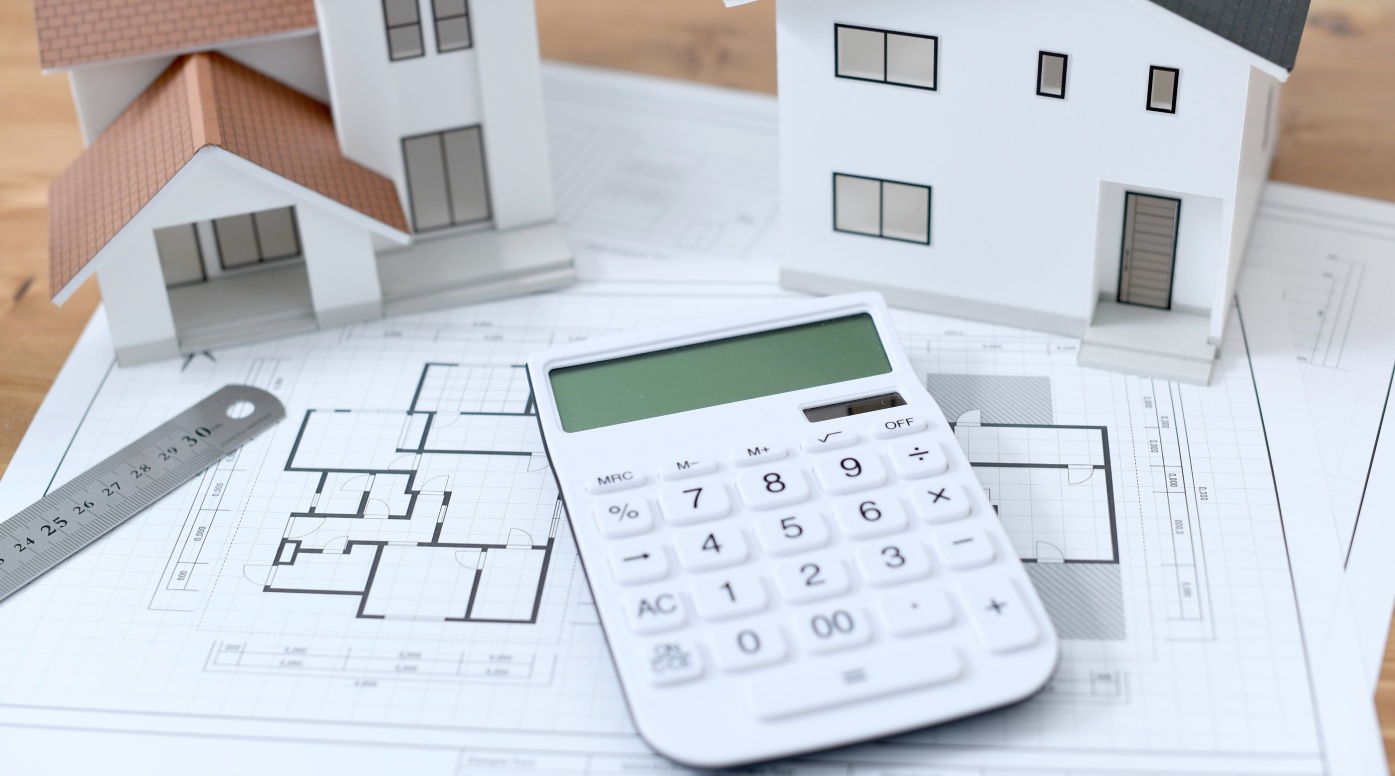
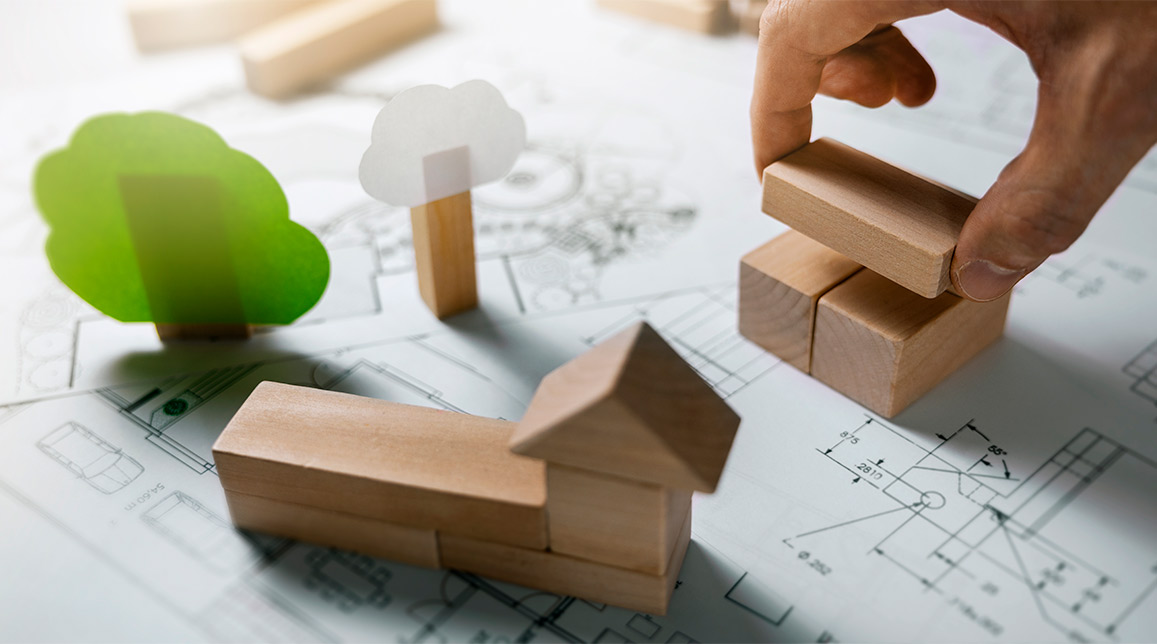
house model and eco planning for a home. Cover image for Building a Greener Future: Top 10 Sustainable and Alternative Materials for Your Home

As climate concerns grow and homeowners become increasingly environmentally conscious, the demand for eco-friendly and durable building materials is on the rise. The construction industry alone contributes to a staggering 37% of global greenhouse gas emissions, making the shift toward sustainable building practices more crucial than ever.

Sustainable building materials are those that do not harm the environment during their production, use, or disposal, and can be easily recycled. Choosing these alternative building materials offers a triple benefit:

  • Environmental protection through reduced carbon emissions,
  • Economic advantages with 25-35% energy savings, and
  • Health improvements for occupants through better indoor air quality and thermal comfort

The foundation of your home, both literally and figuratively, sets the tone for its overall sustainability. By incorporating eco-friendly materials from the ground up, homeowners can create structures that remain environmentally responsible throughout their entire lifecycle, from construction to eventual demolition.

10 Sustainable Building Materials for Homes to Consider
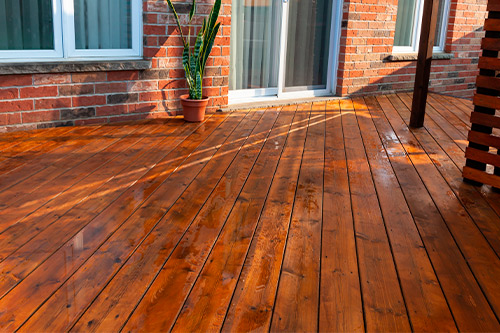
Wood floor, green material

Today’s eco-conscious homeowners have more sustainable building material options than ever before. Whether for construction, insulation, or flooring, these materials not only enhance your home but also benefit the environment. Here are ten outstanding alternatives that combine environmental benefits with exceptional performance:

  1. Reclaimed Wood gives new life to timber from old buildings, reducing demand for virgin forest products. Often harvested from old-growth forests, reclaimed wood typically offers superior strength and a unique aesthetic character, making it perfect for exposed beams, flooring, and decorative elements.
  2. Sheep’s Wool Insulation offers natural moisture regulation and excellent thermal performance. Unlike synthetic alternatives, wool insulation absorbs and releases humidity without compromising its insulating properties, making it particularly valuable in humid environments. It’s naturally fire-resistant, non-toxic, and biodegradable at the end of its useful life.
  3. Bamboo is a rapidly renewable resource that reaches maturity in just 3-5 years. This versatile grass absorbs significant CO2 while growing and offers an impressive strength-to-weight ratio, making it excellent for flooring, furniture, and even structural elements.
  4. Recycled Steel maintains its structural properties through an infinite number of recycling cycles. Did you know steel is the most recycled material globally, exceeding plastic, paper, aluminum, and glass combined? Its strength, durability, and corrosion resistance make it ideal for structural framing, roofing, and window frames.
  5. Hempcrete is a blend of hemp fibers and lime, creating lightweight, insulating building blocks. This carbon-negative material offers excellent thermal regulation, moisture control, and fire resistance while sequestering carbon throughout its lifecycle, making it an ideal choice for use in walls and insulation in energy-efficient homes.
  6. Rammed Earth utilizes compacted soil mixtures to create solid, thermally massive walls. This ancient technique has been modernized for contemporary applications, delivering exceptional durability and thermal performance while minimizing embodied energy. Its natural aesthetic and excellent thermal mass make it particularly suitable for areas with significant day-night temperature fluctuations.
  7. Cork is harvested sustainably from oak tree bark without harming the trees, which regenerate their bark approximately every decade. Naturally resistant to moisture, fire, and pests, cork provides excellent thermal and acoustic insulation, making it perfect for flooring, wall coverings, and insulation applications.
  8. Straw Bale construction repurposes agricultural waste into high-performance building elements. These thick-walled structures offer exceptional insulation and sound dampening while sequestering carbon. Finished adequately with earth or lime plaster, straw bale walls are surprisingly fire-resistant and durable, perfect for exterior walls in many climate zones.
  9. Recycled Plastic diverts waste from landfills and oceans while creating durable building materials. Innovative manufacturers transform plastic waste into a wide range of products, including decking and siding, insulation, and roofing tiles. These products typically resist moisture, insects, and decay better than many traditional materials.
  10. Mycelium is the vegetative root structure of mushrooms that can be grown into customized shapes and building materials. This truly revolutionary, carbon-negative material creates fire-resistant, highly insulating, and completely biodegradable products. Mycelium is currently used for insulation, acoustic panels, and even furniture components.

By incorporating these sustainable materials into your home design, you’re not only reducing environmental impact but also often gaining superior performance and distinctive aesthetic appeal. The following section will help you determine which of these materials best suits your specific home project.

How to Choose the Right Alternative Building Materials for Homes
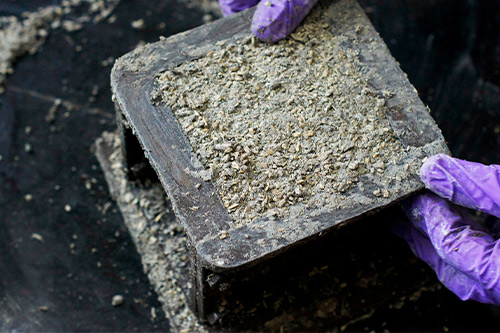
Building materials for construction

Selecting the ideal sustainable materials for your home requires careful consideration of several key factors. Here are the most important details, with additional information provided in the table below.

Consider your local climate

  • Materials perform differently in different environments.
  • In humid areas like McAllen, bio-based insulation (e.g., sheep’s wool, hemp) effectively manages moisture.

Factor in your budget

  • Sustainable materials may cost more upfront, but they often result in lower long-term energy and water bills.
  • Green buildings can reduce energy use by 25–35% and water use by up to 39%.

Prioritize local availability

  • Locally sourced materials lower the carbon footprint.
  • Proximity reduces transportation emissions and supports regional economies.

Evaluate performance, not just sustainability

  • Assess durability, maintenance, and thermal efficiency.
  • Reclaimed wood, for example, is strong, beautiful, and eco-friendly.

The table below provides a comparison of ten alternative building materials, highlighting the ideal climate for each, estimated costs, typical sources or availability, and their primary applications in the construction process.

Material Climate Cost Availability Purpose
Reclaimed Wood Properly treated. Performs well in most climates Moderate to high Available in most regions, especially urban areas flooring paneling furniture framing
Sheep’s Wool Excellent for humid and cold climates.
Moisture-regulating & insulating properties
Moderate Region dependant, farming regions Insulation in roofs, walls, and floors
Bamboo Moderate to humid climates.
Degrade in extreme cold without treatment
Low to moderate Abundant in tropical and sub-tropical areas. Elsewhere imported Flooring wall paneling furniture structural elements
Recycled Steel Suitable for all climates; fire and pest resistant High upfront Widely available especially industrialized areas Structural framing roofing
Hempcrete Ideal for temperate climates; not load-bearing and requires a frame Moderate Growing availability with hemp legalization Insulation, non-load-bearing walls
Rammed Earth Dry or temperate climates; not ideal in very humid areas without treatment Low to moderate but labor intensive Locally available Walls & floors
Cork Most
climates, naturally resistant to moisture, mold, and fire
Moderate to high Limited to regions near cork oak production: mediterranean Floors, wall panels, insulation
Straw Bales Ideal for dry climates; must be well-sealed in humid areas to prevent rot Very low Readily available in agricultural regions Insulation, wall construction
Recycled Plastic All climates when properly treated and used Low to moderate Increasingly available  through recycling programs Insulation composite lumber, bricks, decorative elements
Mycelium Temperate climates;  in development for broader use Currently high emerging tech Limited but growing with more sustainable R&D Insulation, biodegradable panels

Building a Greener Future with Durable, Eco-Friendly Materials

Home building planning: materials and design

As we’ve explored throughout this article, sustainable building materials represent a crucial step toward creating homes that are not only environmentally responsible but also beautiful, durable, and healthy. By choosing eco-friendly materials, homeowners can significantly reduce their carbon footprint while enjoying spaces that promote wellbeing and connection with nature.

The benefits of sustainable construction extend across three essential dimensions.

  1. Environmentally, these materials conserve natural resources and reduce waste.
  2. Economically, they can lead to substantial savings, ranging from 25-35% on energy costs and 39% on water consumption, according to research.
  3. Socially, they create healthier indoor environments with better air quality and thermal comfort, enhancing overall quality of life.

Whether you’re building from the ground up or renovating, sustainable options exist for every part of your home. From foundation building materials like rammed earth and recycled concrete to finishing touches such as cork flooring and reclaimed wood, eco-friendly alternatives are becoming increasingly accessible and mainstream.

We encourage you to take the first step toward a more sustainable home today. Consult with architects and builders who specialize in green construction, or start small by incorporating just a few sustainable elements into your next project.

At Guzman Construction, we specialize in incorporating sustainable and alternative building materials that reduce your carbon footprint while enhancing the durability and aesthetic appeal of your home. Contact us today to learn more about our eco-friendly construction solutions.
Backyard Pool Ideas for Your Custom Home in RGV

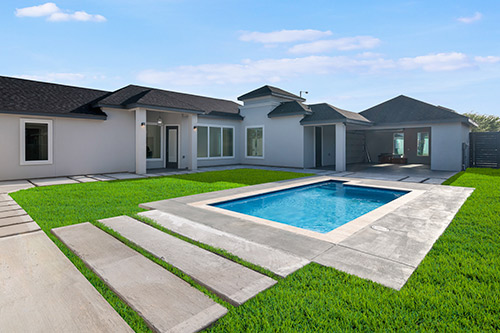
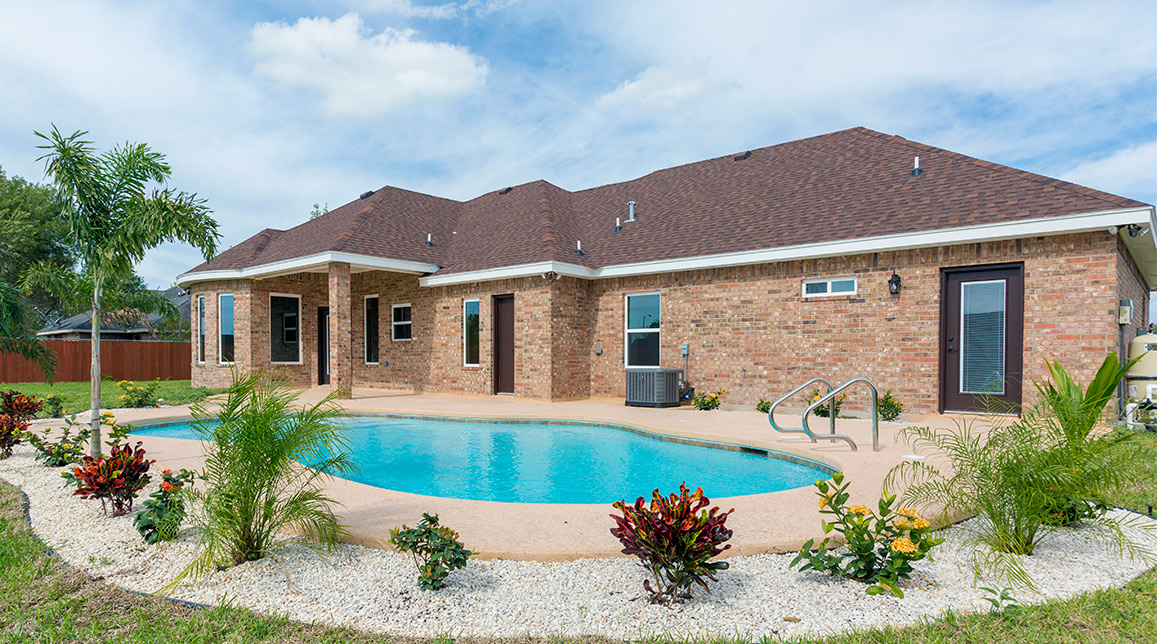
Beautiful backyard with pool. Backyard Pool Ideas for Your Custom Home in the RGV cover image

The Rio Grande Valley (RGV) is known for its warm climate, long summers, and vibrant outdoor lifestyle. What better way to enhance your custom home than by adding a stunning backyard pool? A well-designed pool isn’t just a place to cool off; it becomes the heart of your outdoor space—a retreat for relaxation, entertainment, and making lasting memories with family and friends.

Whether you’re dreaming of a modern infinity pool, a tropical lagoon, or a space-efficient plunge pool, there are countless design possibilities suited for the RGV’s unique climate and lifestyle.

Let’s explore some innovative small backyard pool ideas that will turn your home into a resort-style paradise.

Choosing the Right Pool Type for the RGV Climate

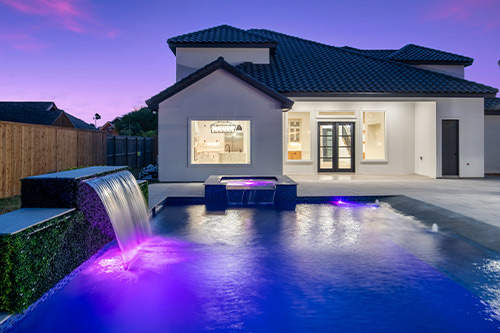
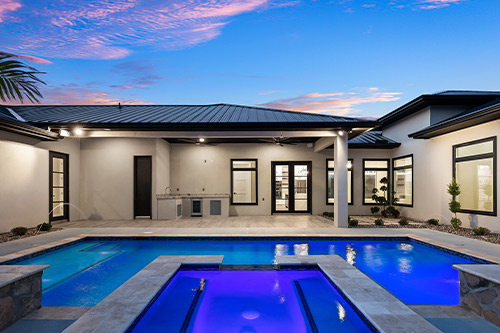
modern backyard pool with leds at sunset.

Before selecting a backyard design idea with a pool, it’s essential to consider the climate and environmental factors in the Rio Grande Valley. The region’s hot summers and mild winters make a pool a year-round feature, but it also requires thoughtful design to maximize comfort and efficiency.

1. Infinity Pools for a Luxurious, Modern Look

Infinity pools, also known as vanishing-edge pools, create a breathtaking visual effect by blending seamlessly with the horizon. These pools are particularly stunning on properties with a view and provide a high-end aesthetic that elevates any backyard. The RGV’s flat terrain allows for creative edge designs, while built-in ledges or tanning shelves provide shaded relaxation zones for the hottest days.

2. Plunge Pools for Small Spaces

Not everyone has a sprawling backyard, but that shouldn’t stop you from having a refreshing water feature. Plunge pools are compact, stylish, and perfect for cooling off in the RGV heat. These pools typically range from 6×10 feet to 8×20 feet, making them ideal for courtyards, patios, or smaller urban lots.

3. Natural Pools for an Eco-Friendly Touch

For homeowners looking for a sustainable option, natural swimming pools use biological filtration instead of harsh chemicals. They feature aquatic plants and natural rock formations to create a pond-like swimming environment that blends beautifully with lush landscaping. These pools work well with the RGV’s native plants and can be designed to attract birds and butterflies, enhancing the overall outdoor experience.

4. Lap Pools for Fitness Enthusiasts

Lap pools are long, narrow pools designed for exercise and fitness. If you’re an active swimmer or looking to incorporate low-impact workouts into your lifestyle, a lap pool is a fantastic investment. These pools can be sleek and modern, with added waterfalls or jets to enhance the swimming experience.

Must-Have Features for Your RGV Backyard Pool

Luxury backyard pool at day

A pool is more than just a body of water—it’s a carefully designed space that enhances comfort, beauty, and entertainment. Here are some features to consider when choosing a Texas backyard pool idea:

1. Sunning Shelves for Relaxation

Also known as Baja shelves or tanning ledges, these shallow ledges allow you to lounge in a few inches of water, perfect for sunbathing while staying cool. They’re also great for young kids who want to splash safely.

2. Swim-Up Bars for Entertainment

Bring the resort experience home with a swim-up bar. Install built-in barstools inside the pool and create a shaded counter area for serving drinks and snacks—perfect for summer parties or evening gatherings.

3. Fire and Water Features for Drama

Combining fire pits with water features creates an eye-catching contrast. Fire bowls, waterfall edges, or sheer descent fountains add movement and ambiance, making your pool area a stunning retreat both day and night.

4. Pool Cabanas and Outdoor Lounge

RGV summers can be scorching, so shaded areas are a must. A pool cabana with comfortable seating, fans, and misting systems provides a cool escape while maintaining a luxurious atmosphere.

5. LED Mood Lighting for Nighttime Appeal

Strategic lighting transforms your pool area at night. LED underwater lights, color-changing features, and landscape lighting enhance safety and create an inviting atmosphere for late-night swims.

Designing a Pool That Complements Your Home

Your pool should blend seamlessly with your home’s architecture and landscape. Here are some design styles that work well in the RGV.

  • Modern minimalist: Clean lines, geometric shapes, and neutral tones create a sophisticated look.
  • Mediterranean-inspired: Terracotta tiles, cascading water features, and lush greenery evoke a Mediterranean villa feel.
  • Tropical lagoon: Freeform pools with natural rock formations, waterfalls, and palm trees bring the tropics to your backyard.
  • Rustic ranch style: Using stone, wood, and desert-friendly plants, this style complements the traditional ranch homes common in the RGV.

Energy-Efficient and Low-Maintenance Pool Options

House with pool. Night design with leds and waterfall.

With the long pool season in the RGV, energy efficiency and easy maintenance should be top priorities:

  • Solar pool heaters: Harnessing the abundant Texas sun, solar heating systems extend your swimming season while cutting energy costs.
  • Saltwater systems: Instead of harsh chlorine, a saltwater pool offers a gentler, more eco-friendly way to keep water clean.
  • Automated pool systems: Smart pool technology allows you to control lighting, temperature, and cleaning cycles from your phone, making maintenance hassle-free.

Landscaping and Hardscaping: The Finishing Touches

Your pool area isn’t complete without landscaping that enhances its beauty and function. Consider adding some of these:

  • Native plants: Drought-resistant plants like agave, Mexican feather grass, and lantana thrive in the RGV climate and require minimal upkeep.
  • Paved decking: Travertine, stamped concrete, or natural stone offer durability and a stylish, slip-resistant surface
  • Privacy screens: Hedges, pergolas, or decorative fencing create a more intimate setting and block out unwanted views.

Pool Safety Measures

While pools add fun and luxury to your home, safety should always be a priority. Consider these essential safety features to keep your backyard oasis secure and worry-free:

  • Fencing and gates: Install a self-closing, self-latching gate to prevent unsupervised access. Consider using see-through tempered glass fencing for a modern look that doesn’t obstruct views while ensuring security.
  • Pool covers: A retractable or automated pool cover keeps debris out, conserves water, and provides an additional safety layer for children and pets.
  • Non-slip surfaces: Choose slip-resistant materials for pool decks to prevent falls. Textured concrete, pavers, or natural stone offer both safety and style.
  • LED safety lighting: Illuminate walkways, pool edges, and steps to improve nighttime visibility and reduce accidents.
  • Pool alarms: Consider installing surface wave or motion-detecting alarms to alert you if someone enters the pool unexpectedly.
  • Proper depth markings: Clearly mark pool depths to ensure swimmers are aware of shallow and deep areas, preventing diving accidents.
  • CPR and first aid preparedness: Keep a life ring, first aid kit, and CPR instructions readily available near the pool area for emergencies.

By implementing these precautions, you can create a safe and enjoyable pool environment for your family and guests.

Make Your Backyard Pool Dream a Reality with Guzman Construction

Check our exclusive backyard with pool design by Guzman Construction, created for the lifestyle of Texas families.

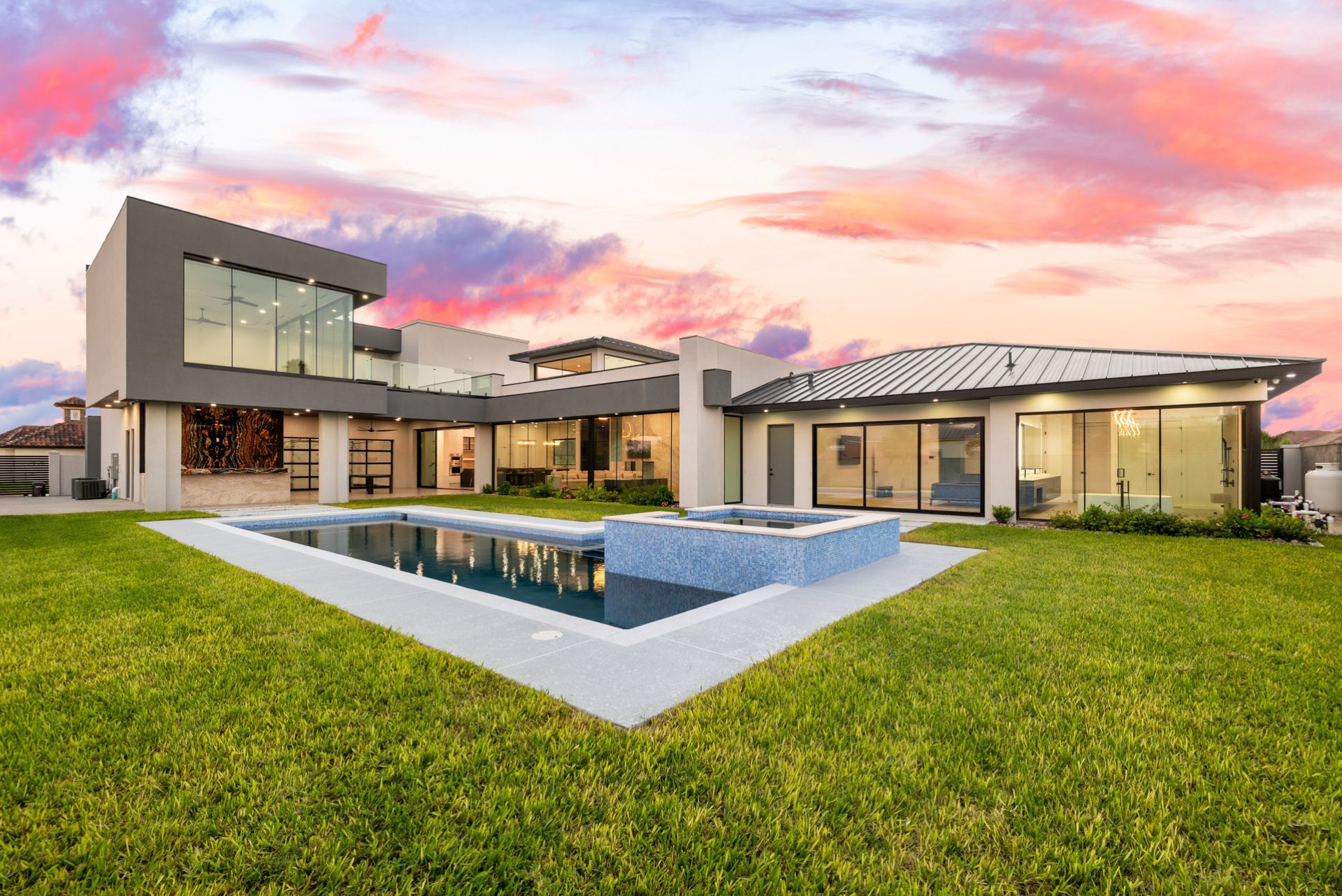
luxury design custom home with pool. Guzman Construction Building in Texas. Rio Grande Valley

Guzman Construction Residential Luxury Custom Design.


A backyard pool in the RGV isn’t just a luxury—it’s an investment in your home and lifestyle. Whether you want a sleek, modern pool, a natural oasis, or a family-friendly design, customizing your pool to fit your space and needs ensures years of enjoyment.

Take a tour and see for yourself!


Ready to create the ultimate backyard oasis? Guzman Construction specializes in custom pools designed for beauty, comfort, and durability. Check out our portfolio here. Contact us today!

Understanding Commercial Construction Costs in Texas

builder working on plane. Understanding Commercial Building Construction Costs in Texas: cover image.

Thinking about constructing a commercial building in Texas? Buckle up—it’s a wild ride! With booming cities, a strong economy, and ever-changing market trends, Texas is a hotspot for commercial development. But before you break ground, it makes sense to understand the involved steps.

Whether you’re an investor, developer, or business owner, knowing what goes into commercial building costs in Texas can help you budget smarter and avoid nasty surprises. And let’s be real—no one likes unexpected costs throwing off their plans!

So, let’s understand what makes commercial construction in Texas tick (or cost a pretty penny).

What Drives the Cost of Commercial Construction in Texas?

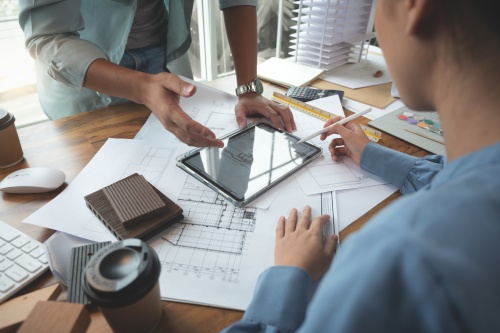
2 persons reviewing tablet and building planes.

Commercial construction costs per square foot vary wildly depending on several factors, and Texas is no exception. Here’s what plays a big role:

Location, Location, Location!

Texas is massive, and costs fluctuate depending on whether you’re in the heart of Houston or a small town like Amarillo.

  1. Big cities = Big price tags – Dallas, Austin, and Houston have higher land costs and pricier labor due to high demand.
  2. Smaller towns = Potential savings – More affordable land and lower labor costs can make rural areas appealing.
  3. Suburban growth – The rise of mixed-use developments in suburban areas like Plano or Round Rock is creating mid-tier cost opportunities, offering a balance between urban and rural pricing.

Type of Building

Not all commercial buildings cost the same, and different industries have unique needs that impact commercial building construction costs per square foot significantly. An industrial warehouse in San Antonio will be much cheaper per square foot than a luxury office tower in downtown Austin. Still, each structure comes with its own set of requirements and associated expenses.

  • Retail spaces – Moderate pricing, but tenant build-outs can be costly depending on customization needs and lease agreements.
  • Office buildings – Higher costs, especially in prime business districts. Open-plan offices might be more affordable than high-end executive suites with premium finishes.
  • Warehouses and industrial facilities – Generally more affordable but require special infrastructure like reinforced flooring, loading docks, and advanced ventilation.
  • Mixed-use developments – Growing in popularity, these combine office, retail, and residential spaces, making cost estimations more complex but potentially more lucrative.
  • Hospitality and entertainment venues – Hotels, restaurants, and event centers often demand premium materials, custom interior work, and adherence to strict zoning and safety regulations, increasing overall costs.
  • Medical and research facilities – Highly specialized construction that includes compliance with health codes, advanced HVAC systems, and medical-grade materials, which can push costs significantly higher.

Market Conditions

Texas, like the rest of the country, is dealing with supply chain disruptions, inflation, and labor shortages.

  • Material costs – Steel, concrete, and lumber prices have fluctuated dramatically in recent years.
  • Labor shortages – A high demand for skilled workers means higher wages, adding to overall costs.
  • Inflation and interest rates – Rising costs of borrowing can impact overall project feasibility and timelines.
  • Climate and weather impact – Extreme heat, hurricanes, and flooding risks in coastal areas can lead to additional costs for weather-proofing structures.

Breaking Down Commercial Construction Costs

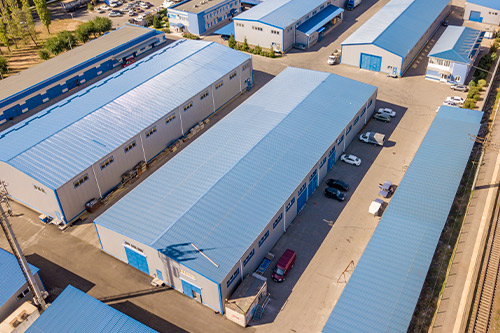
big storages: aerial view.

Understanding where your money is going is the next step to managing your budget. Here’s how commercial construction costs in Texas typically break down:

Hard Costs (75-85% of the Total Budget)

  • Materials – Concrete, steel, glass, insulation, and other essentials. The cost depends on availability, demand, and any region-specific requirements, such as hurricane-resistant materials in coastal areas.
  • Labor – Skilled workers aren’t cheap, especially in high-demand metro areas. Trades such as electricians, plumbers, and HVAC specialists command higher wages due to their expertise.
  • Equipment – Cranes, bulldozers, and specialty tools all add up. Renting vs. purchasing equipment can impact costs, depending on project duration.
  • Foundation and structural work – Depending on soil conditions, additional reinforcement may be needed, especially in regions with high clay content or flood-prone zones.

Soft Costs (8-12% of the Budget)

  • Permits and inspections – Varies by city but can range from 0.5% to 2% of the total project cost. Special zoning requirements or environmental impact studies can drive up costs.
  • Design and engineering fees – Hiring architects, engineers, and consultants isn’t cheap but is necessary for compliance and functionality.
  • Legal fees and insurance – Coverage for liability, worker’s compensation, and construction defects can be costly, particularly for larger projects.
  • Project management and administrative costs – Overhead for keeping the project on schedule, coordinating contractors, and handling logistics.

Operational Costs (The Long-Term Expenses)

  • Utilities, maintenance, and repairs – Ongoing costs that should be factored into your investment.
  • Insurance and property taxes – Bigger buildings mean bigger tax bills. Energy-efficient designs may help lower long-term costs.
  • Security systems and safety compliance – Fire suppression systems, alarms, and surveillance setups add to initial and operational costs.
  • Sustainability investments – LEED certification, solar panels, and water-saving features may increase upfront costs but lead to long-term savings.

By understanding these categories in detail, developers can better plan their budgets and anticipate potential financial challenges.

How Commercial Construction Price Vary Across Texas: Cost per Square Foot

Builders using safety equipment, working on metal structure.

While Texas as a whole falls within the southern U.S. construction cost range of $240 to $680 per square foot, significant variations exist between different regions of the state. Depending on where you’re building, you could see vastly different price points due to factors like local labor markets, land costs, zoning regulations, and material availability. Here’s a closer look at the major metropolitan areas:

  • Houston – With a thriving energy sector and a high demand for industrial and commercial buildings, Houston sees relatively high construction costs. However, expansive land availability sometimes helps keep prices in check compared to other large cities.
  • Dallas-Fort Worth – As a major business and financial hub, DFW has some of the highest commercial construction costs in Texas. Office spaces, retail developments, and mixed-use projects in downtown Dallas or Fort Worth suburbs can be expensive due to land costs and demand for premium-grade buildings.
  • Austin – Known as the tech capital of Texas, Austin is experiencing rapid commercial growth. With an influx of businesses and talent, construction costs have soared, particularly in downtown and high-tech corridors. Limited land availability and regulatory constraints further drive up expenses.
  • San Antonio – Generally more affordable than Houston, Dallas, or Austin, San Antonio offers competitive land and labor costs. However, historic preservation rules and tourism-related zoning in some areas can add additional costs for developers.
  • El Paso and West Texas – This region sees some of the lowest commercial construction costs in the state due to lower demand and ample land. However, remote locations may increase logistics costs for material transportation.

A standard office building in Dallas might cost $461 per square foot, while in Houston, it could be closer to $500+ due to additional regulations and infrastructure needs. These regional differences make location-specific budgeting a crucial part of the planning process. Conducting thorough market research and engaging with local construction experts can help navigate these variations effectively.

You may be interested in: The Real Cost of Building a Home in McAllen: An Expert Guide

Build-Out Costs: What’s the Price of Customization?

construction materials for buildings.

If you’re leasing or developing a commercial space, the cost of customizing the interior—also known as a “build-out”—can be significant. This process transforms a raw or existing space into a fully functional business environment tailored to the specific needs of tenants or owners.

Types of Build-Outs

  • Shell build-outs – This involves finishing an empty space, including flooring, walls, ceilings, HVAC, electrical, and plumbing installations. Costs can start at $50 per square foot but vary widely based on the location and specifications.
  • Tenant improvements (TI) – Custom modifications requested by tenants, such as adding partitions, specialized lighting, or branding elements. These can range from $75 to $150 per square foot, depending on complexity.
  • High-end or specialized build-outs – Spaces requiring premium finishes, custom millwork, smart technology, or industry-specific installations (e.g., medical offices, tech labs) can exceed $200 per square foot.

Cost Factors

  • Design complexity – More intricate layouts and custom features drive up costs.
  • Regulatory compliance – Meeting building codes, ADA requirements, and industry-specific standards can add expenses.
  • Materials and finishes – High-end materials (e.g., marble flooring, glass partitions) significantly impact budgets.
  • MEP systems (Mechanical, Electrical, Plumbing) – One of the biggest expenses, particularly in older buildings needing upgrades.
  • Construction timeline – Expedited build-outs often require premium pricing for labor and materials.

Developers and business owners should budget carefully for build-outs, negotiate lease agreements that may include tenant improvement allowances, and explore cost-effective solutions to ensure a successful commercial space transformation.

How to Keep Costs Under Control

Construction. metal beams. Building commercial and residential construction.

Managing your budget is necessary to make your project successful. Here are some tried-and-true strategies:

  1. Plan everything in detail: A well-thought-out plan minimizes unexpected costs.
  2. Choose the right contractors: Experienced contractors who know Texas regulations can save you money and time.
  3. Value engineering: A fancy term for finding ways to reduce costs without sacrificing quality. For example, using high-quality vinyl instead of real hardwood flooring can cut costs significantly.
  4. Phased construction: Building in stages can help manage cash flow and adjust to market changes.
  5. Sustainability for the win: Green building materials and energy-efficient systems might cost more upfront but save money in the long run through lower energy bills.

Watch Out for Hidden Costs!

Even the best-planned projects can face unexpected expenses. Common hidden costs include:

  • Permit delays and regulatory changes – Local regulations can change unexpectedly, and delays in obtaining permits can stall your project, leading to additional holding costs.
  • Soil and site issues – Poor soil conditions, unexpected underground utilities, or contamination can result in expensive foundation work or remediation efforts.
  • Change orders and design modifications – Any mid-project alterations, whether due to unforeseen issues or client preferences, can significantly increase costs.
  • Material price fluctuations – Global supply chain issues and local market demand can cause sudden spikes in material costs, impacting your budget.
  • Weather delays – Texas is no stranger to extreme weather, from hurricanes on the coast to unpredictable storms that can slow construction progress.
  • Labor shortages and wage increases – The demand for skilled workers can lead to higher wages and potential delays if labor is in short supply.
  • Utility connection fees – Costs for water, sewer, electricity, and gas connections may be higher than expected, particularly in new development areas.
  • Insurance and liability costs – Unexpected insurance requirements or claims can add financial strain to your project.

Smart Budget Your Commercial Building Project with Guzman Construction

Navigating commercial building costs in Texas requires smart planning, market awareness, and adaptability. With the right strategies, you can keep costs under control while still building a high-quality, profitable property.

Want to build smart in Texas — on time and within budget? Plan ahead, work with experts of Guzman Construction, and keep a close eye on your budget. Guzman Construction has the expertise, efficiency, and innovation to bring your vision to life. From planning to execution, we handle every detail with precision and professionalism.

The Real Cost of Building a Home in McAllen: A 2025 Guide

Architectural model of a house, house drawings, and calculator

If you’re dreaming of building a home in McAllen, Texas, congratulations! You’re embarking on an exciting journey. Known for its affordability and charm, McAllen offers a unique opportunity to create a dream home that’s truly yours.

But how much does it really cost to build a home in McAllen in 2025? Let’s break it down, step by step, so you can budget effectively and avoid surprises along the way.

Understanding the Cost of Building a Home in McAllen

McAllen’s affordability has long been a draw for homebuyers. In fact, it earned the title of the cheapest city to live in America. Today, the city remains an attractive choice for building homes, with costs ranging from $110 to $210 per square foot, depending on the grade of construction. Compared to the national average of $207 per square foot, McAllen provides significant savings, making it ideal for families and individuals alike.

Here’s how those costs break down:

  • Standard grade construction: $110 to $140 per square foot
  • Premium grade construction: $140 to $170 per square foot
  • Luxury grade construction: $170 to $210 per square foot

This variation depends on factors such as land, materials, labor, and additional fees. Let’s dive deeper into each component.

Factors Influencing Home Construction Costs

When building a home in McAllen, several key factors significantly impact the overall construction costs. Understanding these elements is crucial for accurately budgeting and planning your project:

  • Labor and material costs

These are primary drivers of construction expenses and have been notably affected by recent economic trends. According to the Texas Real Estate Research Center, the Producer Price Index (PPI) for construction services and goods has increased significantly, particularly since the COVID-19 pandemic.

This upward pressure directly translates to higher building costs, with construction typically accounting for about 60% of a new home’s sale price.

  • Land acquisition and site preparation

Expenses for land can vary widely based on factors such as location, site accessibility, slope, soil condition, and drainage requirements. Prime locations or lots with challenging terrains often require additional investment in site preparation, which can increase overall costs.

  • Design and architectural fees

These fees typically range from 8.5% to 8.92% of the total construction value in McAllen, influenced by project complexity and the architect’s experience. While it may be tempting to cut corners here, detailed planning often results in long-term savings and a better-aligned final product.

Architects and interior designers women discussing to concept of building design. Estimation for construction project with tablet technology, Drawing, Material and Model. Selective focus center imageHow to Estimate the Cost of Building a Home?
While the exact costs of building a home are dependent on various variables, here is a breakdown of all the costs you will incur:

1. Land Acquisition

The cost of land can vary significantly based on location. In Texas, the average price per acre is $4,737, but in McAllen, factors like proximity to amenities, neighborhood desirability, and accessibility can shift prices.

For example, plots in high-demand areas like Fairway Grande may cost more due to their prime location, while properties in developing areas like Via Cantera might be more affordable. Additionally, challenging terrains near the Rio Grande may require extra preparation, such as flood mitigation or soil stabilization, increasing costs further.

2. Materials and Labor

Materials and labor, also called hard costs, typically account for about 60% of a home’s cost. Recent supply chain disruptions and inflation have pushed prices higher, making this a significant budget item. Below are estimated costs of material and labor costs for a 2,000-square-foot home:

  • Framing: $14,000 to $32,000
  • HVAC installation: $5,000 to $12,500
  • Roofing: $5,866 to $47,000, depending on materials
  • Plumbing: $371 to $2,133
  • Electrical work: $130 to $6,217

The cost of building a tiny home will correspondingly decrease. Also, the quality of materials chosen—standard, premium, or luxury—can significantly influence these expenses. Premium and luxury options often result in higher initial costs but may offer better durability and aesthetic appeal.

3. Soft Costs

Soft costs are the “behind-the-scenes” expenses, including:

  • Permits: Typically 16 cents per square foot, with a minimum fee of $48 (plus a $700 park fee for new residences).
  • Architectural fees: These range from 8.5% to 8.92% of the total construction value, depending on the complexity of the project and the architect’s expertise.
  • Land surveys and inspections: Surveys average around $2,300, while inspections during construction (e.g., plumbing, framing, and insulation) add further costs.
  • Financing: This includes loan origination fees, interest, and closing costs, all of which can add thousands to your budget.

4. Custom vs. Pre-Designed Homes

Custom homes offer unparalleled personalization, allowing homeowners to tailor every detail to their preferences. However, this flexibility comes with higher costs due to unique architectural designs and longer timelines.

On the other hand, pre-designed homes—offered by many local builders—are more budget-friendly and can often be modified to suit individual needs. Choosing a pre-designed model may save on architectural fees and reduce construction time, making it a practical option for those on a tighter budget.

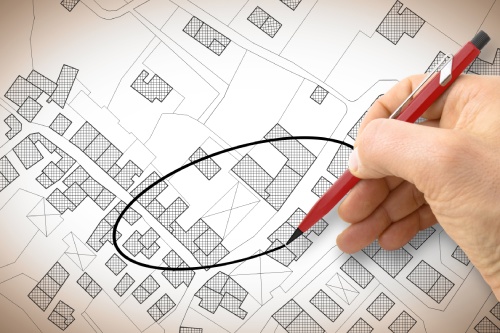
Hand drawing and select an area above an imaginary cadastral map of territory with buildings, fields, roads and land parcel - concept imageCost Management Strategies

Building a home doesn’t have to break the bank. Here are some tips to manage costs effectively:

  • Budget meticulously: Include both hard and soft costs and allocate a contingency fund of 10-20% to cover unexpected expenses such as delays or material price fluctuations.
  • Work with local builders: An experienced builder familiar with McAllen’s market, like Guzman Construction, can help secure better deals on materials and labor.
  • Choose mid-range materials: Opt for a balance between quality and affordability to meet your budget without compromising on longevity or aesthetics.
  • Plan for energy efficiency: Incorporate features like energy-efficient windows, smart thermostats, and solar panels. While these add to upfront costs, they can lead to significant savings over time through lower utility bills.

Cost Comparison of Home Construction Grades

To help you visualize the cost ranges, here’s a simple chart:

Construction Grade Cost per Square Foot
Standard Grade $110 – $140
Premium Grade $140 – $170
Luxury Grade $170 – $210

Close-up of person stamping documents to approve agreements,Navigating Permits and Regulations

McAllen requires all new constructions to comply with strict building codes and safety standards. Here’s what you need to know:

  • Application process: Submit a Building Permit Application along with floor plans, site plans, and energy compliance reports to the local Building Permits and Inspections office.
  • Permit costs: Fees are based on square footage, starting at 16 cents per square foot, with a minimum of $48. For new residences, a $700 park fee is also applicable.
  • Inspections: Schedule multiple inspections throughout the construction process, including rough plumbing, framing, insulation, and a final inspection to ensure compliance.

Working closely with contractors and local authorities can help streamline this process and avoid costly delays.

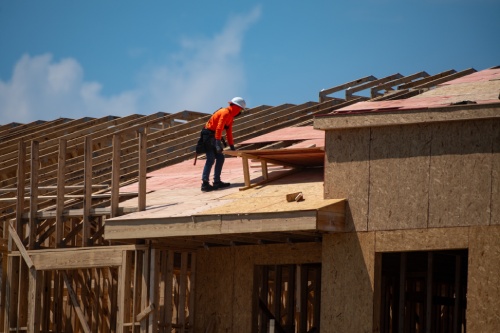
Roofing construction. Roofer roofing on roof structure. Roofing Wooden House Frame. Worker roofer builder working on roof at construction site. Construction builders Roofing.Additional Considerations

Timeline and Delays

Construction timelines can vary based on factors such as weather, material availability, and labor shortages. In McAllen, building a custom home typically takes 8-14 months, while pre-designed models may be completed within 2-3 months after contract signing. Delays can lead to increased labor costs and extended loan interest payments, so staying proactive and organized is key.

Financing Options

Explore financing options like construction loans, traditional mortgages, or government programs. Consulting with a financial advisor who understands McAllen’s market can help you secure favorable terms.

Location-Specific Costs

Properties near flood zones or historical areas may have additional requirements, such as flood insurance or adherence to preservation guidelines. These can add to both initial and ongoing expenses, so factor them into your budget.

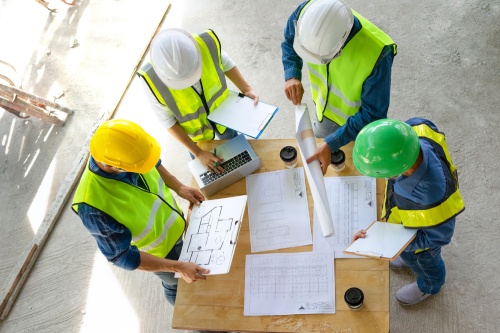
engineering teamwork meeting on site work,engineers project manager consultation meeting with coworker.concept of engineering or architecture working outdoors for a new real estate home projectBuild Your Dream Home with Guzman Construction

Building a home in McAllen is an exciting opportunity to blend affordability with personalization. By understanding the real costs involved and planning wisely, you can make your dream a reality without unnecessary stress. Whether you’re opting for a luxury custom build or a cozy pre-designed model, McAllen’s affordability and charm make it the perfect place to lay down roots.

To ensure success, consult with an experienced local builder like Guzman Construction, who understands the city’s unique dynamics. Remember, while cost is a significant factor, investing in quality materials, energy-efficient features, and professional guidance can enhance your home’s long-term value.

Ready to take the first step? Contact us today to learn more.