
Author: alien

Securing Your Home: Modern Safety Features and Technologies

Young couple man and woman husband and wife or caucasian boyfriend and girlfriend setting up home surveillance security camera cctv protecting their home apartment bright room real people copy space: home safety.

Home security has undergone significant transformations over the past century. From simple door locks and night security guards to modern smart security systems, the evolution has been remarkable.

Initially, post-WWI innovations included door shakers and central monitoring services, advancing to video surveillance systems in the 1970s and hardwired security systems in the 1980s. The early 2000s saw the rise of cellular monitoring and DIY installations, leading to today’s cutting-edge smart technology with remote access and electronic locks.

Modern technologies have become indispensable in ensuring the safety and security of our homes. Integrating these advanced systems simplifies and enhances protection measures, making it easier to monitor and control home security remotely.

If you plan to make your home more secure using modern-day safety features, this article is for you. Here, we will have a look at modern features and technologies that can enhance your home safety.

Benefits of Modern Home Safety Systems

Modern home security systems offer numerous advantages, enhancing both convenience and home safety. One of the most significant benefits is the increased convenience and time savings.

According to statistics, 57% of Americans report saving an average of 30 minutes daily and nearly $100 monthly due to smart home technologies. This efficiency stems from automation features, such as smart locks that eliminate the need for keys by allowing you to lock and unlock doors remotely via Wi-Fi or Bluetooth.

Furthermore, smart security systems enable remote monitoring and control through smartphones, giving you the ability to oversee and manage your home’s security from anywhere. This feature not only enhances home safety but also provides enhanced peace of mind, especially for older adults and those frequently away from home.

With immediate alerts and real-time updates, you can respond quickly to potential threats, thereby ensuring the safety of your property and loved ones.

Modern Home Safety Features and Technology

1.    Smart home integration

Smartphone with launched application for alarm security system, lock or unlock entrance door on interior background. Focus on mobile. Smart and safe home concept.

Smart home integration revolutionized home security by creating unified systems where security devices seamlessly work with other smart home gadgets. This interconnectedness allows you to manage and automate your home’s security setup through centralized control, typically via a smartphone or tablet. Such integration not only enhances convenience but also significantly boosts overall security.

Unified systems offer a range of benefits, including the ability to monitor security cameras, adjust smart locks, and control alarm systems from a single app. By centralizing control, you can streamline your security measures, ensuring prompt responses to potential threats and maintaining a secure environment effortlessly.

2.    AI for smarter security

If you are building your own home in RGV, deploying AI for smarter security is a good idea. The integration of artificial intelligence (AI) in home security systems can help reduce false alarms. AI’s powerful data analysis capabilities enable security systems to distinguish between genuine threats and harmless situations, such as pets moving or leaves blowing in the wind. By learning and adapting to the household’s usual activities, AI can predict and identify abnormalities more accurately.

This technology minimizes the frequency of false alarms, which not only reduces unnecessary stress but also enhances the efficiency of emergency response teams. AI-driven security systems offer greater reliability, ensuring alerts are significant and timely.

3.    Biometric authentication

Biometric authentication has revolutionized home security by introducing fingerprint scanners and facial recognition systems for secure and convenient access. Unlike traditional security methods that rely on keys or codes, biometric systems use unique physical characteristics. This makes them more robust against unauthorized access.

With fingerprint scanners, homeowners can unlock doors with a simple touch, while facial recognition systems provide hands-free entry through advanced image analysis.

The main advantage of biometric authentication is the unparalleled security it offers. Traditional methods can be compromised through lost keys or guessed codes, but biometric data is nearly impossible to replicate.

Biometric systems also enhance convenience. They eliminate the need to carry keys or remember passwords. Smart locks utilizing biometric technologies are becoming increasingly popular, offering seamless integration with other smart home devices for a comprehensive security solution.

4.    Remote monitoring
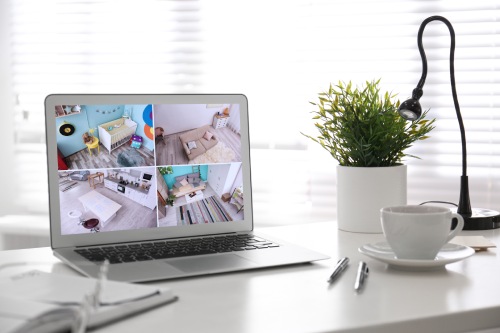
Laptop with view from CCTV cameras. Home security system.

By leveraging smartphones or tablets, homeowners can keep an eye on their properties from virtually anywhere in the world. This convenience allows for real-time updates and immediate control over various aspects of the security system, ensuring peace of mind even when you’re miles away from home.

One of the key benefits of remote access is the ability to receive instant notifications about any unusual activity. Whether it’s an unauthorized entry, a triggered smoke alarm, or a water leak, the system alerts you right away, allowing for timely intervention. Moreover, remote access is not just about surveillance; it also includes the ability to lock or unlock doors, turn on or off lights, and even manage smart thermostats, thereby enhancing overall home automation.

5.    Privacy protection

Modern home security systems emphasize transparent data practices and robust security measures to ensure that your personal information remains secure. These systems are designed with encryption and stringent security protocols to safeguard data from potential breaches and unauthorized access.

This dual focus on security and transparency ensures that while your new home in McAllen becomes smarter and more secure, your personal data remains protected.

6.    Emergency notification systems

Emergency notification systems are increasingly becoming an essential feature in modern homes for improved home safety. These systems use advanced wireless sensors to provide real-time monitoring capabilities to detect and alert homeowners of various threats, such as fires, floods, or intrusions. The integration of these sensors enables instantaneous communication, ensuring that any potential hazards are quickly identified and addressed.

These systems often come with comprehensive packages that include fire detectors, flood sensors, and security alarms to safeguard against a range of emergencies. By using real-time data collection and analysis, they can provide timely alerts through mobile devices, allowing you to take immediate action even when you are not at home. This immediate response is crucial for minimizing damage and ensuring home safety.

7.    DIY security
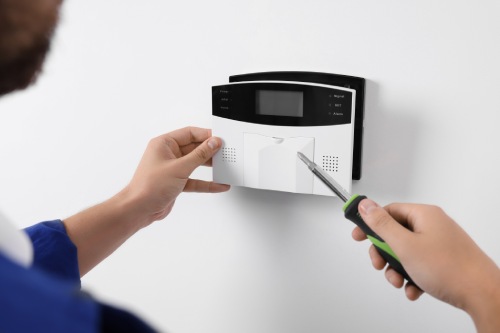
Man installing home security alarm system on white wall indoors, closeup

In recent years, DIY security systems have gained popularity due to their ease of installation and cost-effectiveness. These systems are designed to be user-friendly, allowing homeowners to set up and monitor their own security without needing professional help. This not only reduces the cost associated with traditional installation but also provides flexibility in customizing the security features to fit individual needs.

DIY security solutions include a wide range of devices, such as smart cameras, motion sensors, and smart locks. They often come with mobile apps that enable real-time monitoring and control from anywhere via a smartphone or tablet. Many systems are scalable, allowing homeowners to add as many devices as needed, ensuring a tailored fit for any home.

Keep Your Home Safe!

In summary, the landscape of home security is rapidly evolving, driven by cutting-edge technologies. Key trends include smart home integration, AI-enhanced systems, biometric authentication, remote monitoring, and data privacy features. DIY security solutions offer affordable and customizable options for homeowners seeking modern security measures.

Ready to take your home safety to the next level? Discover how Guzman Construction can integrate the latest modern safety features into your new or existing home. Contact custom home builders in RGV today to learn more about our comprehensive building solutions and exceptional customer service.
The Role of Interior Design in Custom Home Building

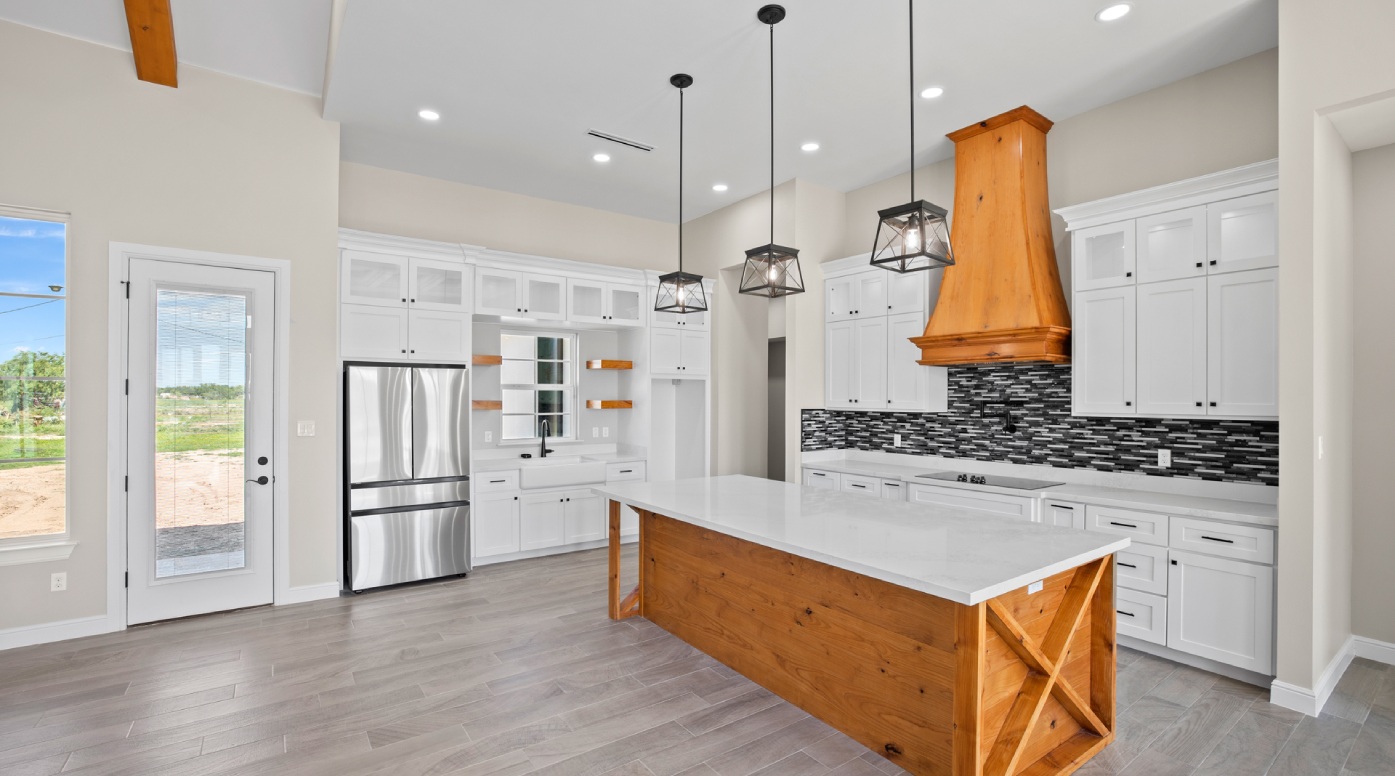
a large kitchen with a center island in the middle of the room

Thinking of building a custom home that suits your lifestyle? Skeptics will say it’s expensive and a waste of time. But those who’ve built one successfully will claim otherwise. A majority of the homeowners will also profess to the importance of interior designers in building the home of their dreams.

You see, dreaming of a concept is one thing. And putting it to paper and turning the concept into reality is another. That’s where the art and science of interior design come into play. But its importance goes beyond that. In this article, let’s learn about the role of interior design in custom home building.

What is Interior Design (and what it isn’t)?

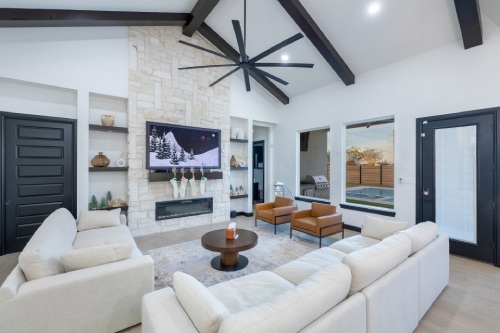
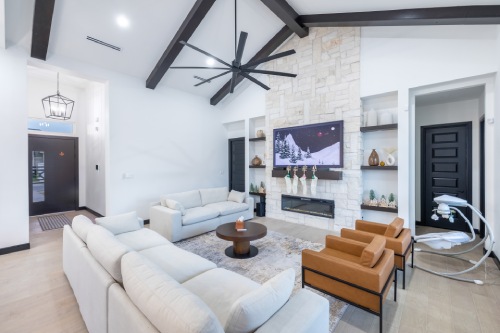
Interior living room luxury design for custom home.

Britannica reports that the term interior design indicates a broad area of activity. Some are even associated with domains like architecture and construction. But these are all separate domains. Thus, as you understand the role of it in custom home building, you should know what it is and isn’t.

The International Interior Design Association, or IIDA, defines interior design as “the professional and comprehensive practice of creating an interior environment that addresses, protects, and responds to human need(s).

Expanding further on the definition, IIDA says that interior design has three aspects: art, science, and business planning. These mandate for well-being, safety, and health of the occupants while giving the space its distinct style and aesthetic.

So, interior design is about creating the inner space of the house and ensuring livability and aesthetics. In contrast, architecture is about designing the entire structure from the ground up.

An interior designer might help you choose a comfy sofa layout for your living room, pick the perfect paint color to make your kitchen feel bright, or suggest lighting options to create a relaxing atmosphere in your bedroom. In contrast, an architect is more concerned about the layout, placement of the doors and windows and building materials to be used.

How Interior Design Helps Build Custom Homes

Indoor shot of young female interior designer works on apartment design project draws in digital tablet with stylus thinks about decorations of apartment wears casual jumper poses at desktop.

When you’re building a new home in McAllen, you’re essentially giving the house a distinctive touch. The house stands out from the rest and is fine-tuned to the needs of the occupants.

While that may sound simple, pulling it off is difficult. Here are the ways interior designers help with building custom homes:

Early-stage planning and expert inputs

Failing to plan is planning to fail. Many custom home projects fail to produce the desired results because of a lack of proper planning. And once the construction is done, it’s often impossible or expensive to redo it. With interior design, you can lay the groundwork for your custom home.

Interior designers are skilled professionals who understand humans, emotions, and the spaces where we live. They are trained to grasp what the client wants and the best possible design principles that can be applied to get the best results.

The designers often have in-depth conversations with you to understand your lifestyle, hobbies, and how you envision using each space. For example, do you love hosting large gatherings or need a dedicated home office space? They might even create user profiles for different family members to understand individual needs. This helps design spaces that cater to everyone’s comfort and functionality.

When you bring in interior designers, you get expert inputs that you may have missed otherwise.

Visualization with 3D software

Building a custom home is exciting, but it can also be daunting to imagine the final product based on blueprints. That’s where interior designers come in with their superpower: 3D design software! These are specialized software that create a digital version of the design. The magic of 3D software lies in its ability to render realistic textures and finishes.

The designer will use your finalized plans to create a digital 3D model of your entire home. This model includes walls, floors, ceilings, windows, and doors, essentially a virtual replica of the structure. Once the basic structure is built, the designer can populate the space with virtual furniture, rugs, lighting fixtures, and other decorative elements.

Some designers might even offer a VR experience. Here, you wear a VR headset and can truly feel like you’re standing inside your home, further enhancing the visualization process.

By using 3D software, interior designers bridge the gap between imagination and reality. They empower you to actively participate in the design process and visualize your dream home before the first brick is laid.

Budgeting and finance

Building a custom home can often go out of budget. There are many factors that must be controlled to finish a project within a set budget. Interior design principles can help in that regard.

The first step to budgeting is prioritizing stuff. An interior designer will work with you to understand your priorities for different aspects of the home. Do you dream of a luxurious kitchen or a spacious master bathroom? By identifying these priorities, they can allocate your budget strategically.

They can analyze your plans and suggest alternative materials, finishes, or layouts that achieve a similar look and feel for a lower cost. For example, proposing high-quality laminate countertops instead of solid stone for a beautiful yet budget-friendly kitchen.

In some cases, interior designers can also help you get better deals. They often have established relationships with vendors and suppliers, which allows them to leverage trade discounts and negotiate better pricing on furniture, fixtures, and finishes.

Bringing vision to life

The role of interior design doesn’t stop at blueprints and 3D. They’re much more involved in the building process, ensuring that you get what you want.

Even with the best plans, unforeseen circumstances can arise during construction. The designer can help you navigate these situations and find solutions that stay true to your original vision. For example, if a particular light fixture is unavailable, they can suggest a suitable alternative that maintains the desired aesthetic.

While they won’t be swinging hammers themselves, interior designers can work closely with contractors and other tradespeople. They’ll communicate the design plan, ensuring everyone is on the same page about material specifications, placement of fixtures, and overall layout.

They can schedule regular site visits to monitor the progress and ensure the construction adheres to the design plan. They’ll check for any discrepancies and address them promptly to avoid costly rework later.

Peace of mind

Building a custom home is a stressful endeavor. The end result may not go in your favor, the fear of which is enough to induce nightmares. But that’s why interior designers exist. That’s their “psychological” role: go guide homeowners through.

Interior designers act as your trusted partners throughout the custom home-building process. Their knowledge, communication skills and project management expertise bring peace of mind by ensuring a smooth, stress-free journey toward realizing your dream home vision.

So, when you’re building a custom home, it makes sense to have interior design professionals by the side.

Conclusion

Building a custom home in RGV is an opportunity to create a space that perfectly reflects your style and needs. From initial space planning to final touches, the expertise of a custom home builder in RGV can transform your dream into a beautiful and functional reality. So, don’t hesitate to leverage the power of interior design – it’s an investment that will pay off in comfort, functionality, and peace of mind. Contact us today to learn more.

7 Landscaping Ideas for Your McAllen Property

Happy family is standing near their modern private house, smiling and looking at camera.

If you’re looking for some landscaping ideas specific to the McAllen, Texas, region, this article is for you. Here, we will list 7 options that will suit your property. Pick one that aligns with your tastes.

1. Lined-up walkway

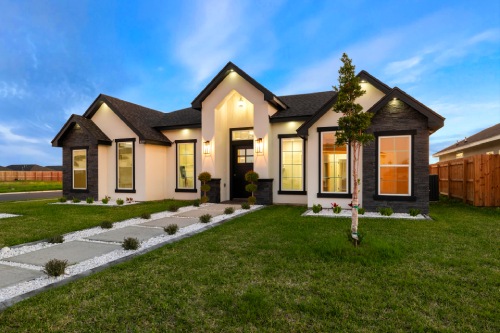
Landscaping front door. Luxury Custom home

Lined-up walkways visually separate different areas of your landscape, creating a sense of flow and organization. This is especially helpful in McAllen’s flat topography.

First and foremost, walkways provide a clear path through your yard, regardless of the season. In McAllen’s hot summers, they offer shade and a cooler walking surface compared to bare ground. Opt for heat-reflective materials like light-colored pavers, flagstone, and decomposed granite. These will stay cooler underfoot during McAllen’s hot summers.

But what should accompany the walkway on the sides? Consider planting trees or shrubs strategically along the walkway to provide dappled shade during peak sun hours. This will make the walkway more comfortable to use in the afternoon heat. Choose drought-tolerant varieties like Texas redbud or desert willow. You can also consider shrubs, plants, and strategically placed stones or bricks.

Some homeowners also prefer to install low-voltage LED lights along the walkway for added safety and nighttime ambiance. This is a practical touch that also adds a touch of elegance.

2. Hardscaping surrounded by native plants

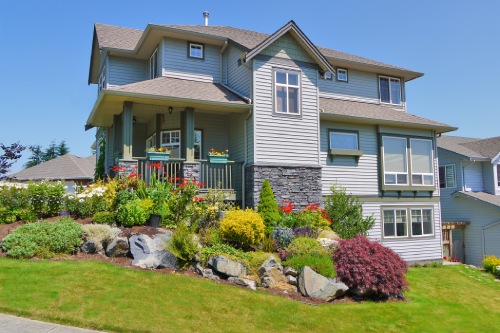
Unusual Family House With Landscaping On The Front And Blue

When building your own home in RGV, it is essential to dedicate a place to sit and relax outside of your home in the morning and evening hours. And a hardscaping section surrounded by native plants can fill that need.

Another benefit of hardscapes is they’re easy to maintain than lawns. You won’t have to water the plants or prune or shape the plants. However, regular sweeping to remove debris and occasional power washing to remove stains may be needed.

Note that there are different types of hardscaping. You can opt for fire pits or decks and patios or gazebos. Decks and patios are often the preferred options since they offer the highest utility. You can essentially extend your living space and host evening parties or get-togethers outdoors.

So first, decide where you want your hardscape area to be and what you’ll use it for. This will influence the size, shape, and materials you choose.

Hardscaping materials like pavers, stones, and gravel can be chosen to complement the architectural style of your McAllen home. This creates a cohesive and aesthetically pleasing outdoor environment.

3. Foliage-rich slopes alongside stairs

Slopes can be fantastic landscaping projects for McAllen homes, especially when approached with the right strategy. Given the flat topography of McAllen and the RGV region, the appearance of slopes can be enticing.

Of all the sloping projects, the one that’s often recommended is terraced sloping. Terraced slopes can create usable space on different levels. You can utilize it as stairways into the patio or porch section of the property. These are also suited for homes at an elevated level.

When designing slopes for new homes in McAllen, you should also consider soil erosion. McAllen’s dry climate can make slopes susceptible to erosion. Planting drought-tolerant, deep-rooted plants on slopes helps hold the soil in place. Consider using hardscaping elements like retaining walls or rocks for added stability on steeper slopes.

For plantation, choose drought-tolerant plants with deep root systems to prevent erosion. Consider native Texas plants like cenizo trees, yuccas, or verbena.

4. Drought-tolerant landscaping

The RGV region is characterized by a subtropical climate with hot summers and mild winters. Rainfalls are scarce and unevenly distributed throughout the year. Southern Texas farmers are always at the receiving end of rainfall shortages. And this shortfall also makes property owners think twice about lush and green landscaping.

In such cases, you can opt for drought-tolerant landscaping. Drought-tolerant landscaping is all about using plants and design choices that thrive in the hot, dry climates of the Rio Grande Valley (RGV).

Texas has a treasure trove of drought-tolerant native plants that are perfectly suited for the RGV climate. Think cenizo trees with pretty purple blooms, yuccas with their spiky charm, or verbena with vibrant flowers. These guys are pros at surviving on little water.

You should aid the plants with a layer of mulch. Mulch around your plants acts like a tiny blanket, helping retain moisture in the soil and keeping those roots cool. Plus, it cuts down on weeds, which are like water stealers.

For drought-prone areas, you can also draw inspiration from xeriscaping. Xeriscaping is a landscaping approach specifically designed for dry climates like McAllen’s. It uses a combination of water-wise plants, smart design principles, and efficient watering to reduce your water usage dramatically.

5. Water feature to entertain guests

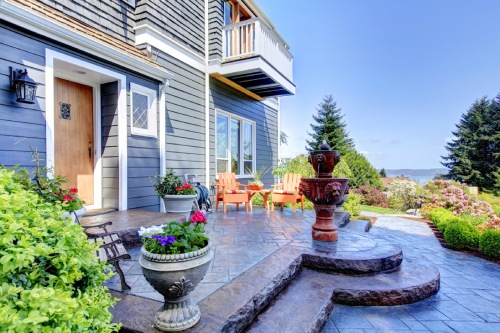
Front OF The Blue Luxury House Exterior With Fountain

It’s impossible to imagine a landscape without some form of water feature. It could be in the form of a fountain, a pool, a pond, or even a birdbath. Whatever it may be, it’s recommended that you have at least one water element in your back or front yard.

The most common feature is a fountain. The sound of trickling water from a fountain can be incredibly calming and create a peaceful ambiance in your outdoor space. Not to mention they beautify your garden and are a source of attraction at a party.

There are different types of fountains. Tiered fountains are the classic fountains where water cascades down multiple levels, creating a calming sound and visual interest. They can be grand or more compact, depending on your space and preference.

For compact spaces, you can opt for wall fountains. These space-saving fountains are mounted on a wall and create a sheet of cascading water or a single spout. They’re ideal for adding a water feature to a limited area like a courtyard or patio.

In case you have a bigger budget, you can go for a pond or mini swimming pool. Depending on the scope, you can expect a bill of around $10,000 to $50,000.

6. Vertical gardens for small yards

Talking of compact spaces, vertical gardens are a perfect fit for those with smaller yards. Vertical gardens are a fantastic way to add greenery and visual interest to any landscape, and they’re especially well-suited for McAllen homes.

Vertical gardens maximize space by utilizing walls and fences. They’re perfect for small patios, balconies, or areas where traditional gardening isn’t feasible.

Furthermore, vertical gardens consume less water to maintain their greenery. Thus, they can promote water conservation by using drip irrigation systems that deliver water directly to the roots of plants, minimizing evaporation – a big plus in McAllen’s dry climate.

Many homeowners also opt to have vertical gardens indoors. So you can switch to indoor installation in case there’s flooding or hurricanes, both of which are not uncommon in the RGV region.

7. Solar-powered landscape

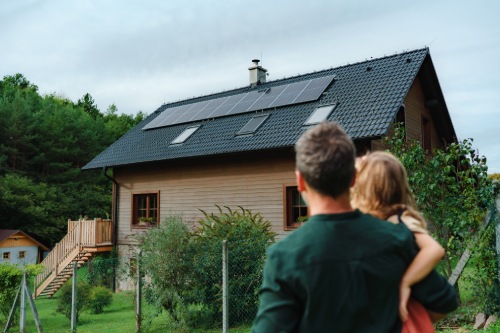
Rear view of dad holding her little girl in arms and looking at their house with installed solar panels. Alternative energy, saving resources and sustainable lifestyle concept.

The last landscaping idea for McAllen homes is something that’s better for the planet (and for your pocket). If you can invest in solar panels, opt for solar-powered landscaping.

Solar-powered landscaping utilizes sunlight to operate various outdoor features, reducing your reliance on conventional electricity and saving you money in the long run.

You can install solar panels, solar fountains, solar lighting, and a solar irrigation system to power your back or front yard.

By harnessing solar energy, you’re minimizing your environmental impact and contributing to a more sustainable future. This is a great way to make your McAllen home more eco-conscious.

Make Way for Beautiful Landscape Designs Now!

All in all, the right landscaping goes beyond just aesthetics—it transforms your homes and neighborhoods into inviting, enjoyable spaces. It boosts property values, promotes environmental health, and fosters a sense of community pride.

If you want to create a more beautiful, sustainable, and welcoming place for everyone to enjoy, a custom home builder in RGV can help. At Guzman Construction, we’re dedicated to bringing your vision of the perfect landscaping to life. With our skilled team and proven success in McAllen, you can count on a smooth, satisfying experience. Contact us today to learn more.

Maximizing Small Spaces: Innovative Design Ideas for Compact Homes

Smiling couple planning home renovation standing in living room

Innovative design ideas for compact homes are becoming popular aspects of urban living. Creating compact homes can be tricky, but with the right ideas, it can turn a small space into a miraculously beautiful, luxurious, and functional home. Knowing the right tricks to maximize the space will help you create a compact home.

If you are facing a space crunch in your new home and are wondering how to make it look spacious and classy, we can help you determine where to start and how to optimize the available space. Read on as we discuss different tricks and innovative home design ideas.

Stylish room

Play With Light and Colors Creatively

Kiyonda Powell tells the Washington Post, “You want to create an envelope of space in a small room, so use the same color paint from your baseboards to the ceiling.” We second her suggestion. Add to that, you can follow the tips below to maximize the small space:

  1. The color palette is the key

Understanding the color palette is essential to ensure the rooms look bright and spacious. You can use light and neutral colors that reflect the light to make the room look brighter. Maintain consistent color schemes on the walls, the flooring, and the furniture.

  1. Play with mirrors to create an illusion of space

Glass elements or mirrors reflect the light that falls on them, thus creating an illusion, making a small space look larger. You can choose between various shapes and frames for these mirrors depending on the classiness you want to bring to your rooms.

  1. Wall-mounted and vertical lights

New homes in McAllen can use wall-mounted and vertical lights for layered lighting, making the room look more spacious, not just horizontally but vertically as well.

  1. Transparency technique

You can use the transparency technique to make your room look larger and more spacious. For this, you can have translucent furniture. Also, when the furniture matches the walls, it tends to create an illusion, making the room larger. Glass and translucent tabletop and cabinets can help to make the room look more airy and spacious.

  1. Windows can bring about the light, brightness, and illusion of a larger space

Make the best use of the windows. In small homes, it is advisable to have large, full-sized windows that mark a faded boundary between the indoor and the outdoor areas.

Stylish livingroom

Utilize Space-Saving Technique

You can’t generate space. But you can definitely save space. Here is how:

  1. Foldable furniture can make a lot of difference

You can use foldable furniture that smartly saves space and is multi-functional. For example, if there is a space crunch, you can get a sofa-cum-bed instead of a single sofa set. You can also invest in foldable chairs, tables, and beds that can tucked away when unused. It can especially come in handy when you host parties and have guests over often. You can also invest in a modular kitchen to ensure you have all the amenities in one place.

  1. Smart storage and built-in storage units are a good idea

Invest in smart storage and built-in units to save space and declutter your home. Have your furniture, cabinets, and storage units customized to ensure they have your special touch and fit in perfectly to complete your home.

  1. Alternate open storage and closed cabinets

When building your own home in RGV, you can play around with the idea of open shelves and closed cabinets. While some items are to be stored away, some can be on display. Choose wisely on the two categories of items and decorate your rooms beautifully. The idea can be implemented in all your rooms, whether the kitchen, living room, or bedroom.

  1. Wall-mounted and foldable tables are a thing

Wall-mounted tables and foldable tables can help you save a lot of space not only in your dining area but also in the study. You can close the wall-mounted tables when not in use.

  1. Sliding doors can save space

Imagine not needing space for a door to swing open. Sliding doors can help you save a lot of space compared to traditional doors, and it is a trick that can come in handy, especially in smaller homes.

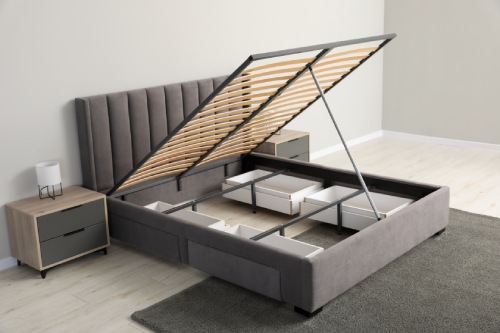
Comfortable bed with storage space for bedding under lifted slatted base in room

Use All Unutilized Space and Declutter the Room

If colors cannot be changed and furniture cannot be tweaked, decluttering and utilizing the unutilized space can prove be your savior. Here is how to get started:

  1. Do not let the corners go unutilized

In most houses, corners get wasted. However, for a small house, every inch counts, you can have a corner furniture such as a corner rack or a corner space such as a quiet reading area.

  1. Declutter is the way to spacious houses

Try to understand what all furniture or items in the house you use regularly. For the ones you do not use regularly, take a call on how often you use it. If you do not get any satisfactory answer to these two questions, it is safe to say that you need to declutter.

  1. The under-the-bed cabinet can be very useful

The space under the bed mostly goes unutilized for houses. You can make cabinets or storage spaces there to ensure that space gets optimally used. You can keep your bedding or any other items not in regular use.

  1. Use vertical space

One of the best ways to minimize the clutter in small spaces is to use vertical space. Utilize the wall to make floor-to-ceiling shelves and store all your valuable items in them. Michelle of Boomer Eco Crusader recommends replacing your wide bedroom dresser with a tall armoire.

  1. Strategic furniture placement

If the furniture is not strategically placed, it will not be possible to create the space you are looking for in the compact home. Furniture placement is quite essential to ensure that there is enough space to utilize.

Parents, kids and happy family.

Benefits of Innovative Design Ideas for Compact Homes

As fancy and as luxurious as it may sound, there are quite a few benefits of innovative design ideas for compact homes. Some of them are listed below:

  • Cost-effective

Innovatively designed compact homes are cost-effective in the long run. It requires fewer items and, hence, less maintenance. Utility bills can also be lower for compact homes.

  • Improved functionality

If planned properly, your space-saving furniture, built-in storage, and flexible living areas can improve functionality, coziness, and comfort.

  • Lower carbon footprint

Sustainable living can promote the idea of reducing carbon footprint. In a compact home, as you utilize fewer resources, the chances of you polluting the environment are reduced.

  • Become more organized

Compact living ideas can help you become more organized as you start arranging things in a smaller space. Creating customized solutions as per the lifestyle requirements is the key to the process. It helps to improve the quality of life.

  • Promotes creativity

Living in compact homes and bringing out new innovative ideas will help you to promote creativity within you. It also takes your problem-solving skills into account.

  • Optimizing space

Essentially and most importantly, it allows you to optimize the space, creating functionality per square inch. You will be able to adapt and adjust within certain boundaries, creating a comfortable and cozy place to live in.

Maximize Small Spaces Now!

So, if you are running out of space, as a custom home builder in RGV, we recommend you start by organizing the furniture. Take special note of the color, open space, and kind of furniture, as these would add value to your living area and bring it to life.

That said, if you are looking for any assistance related to home design ideas or building custom homes, contact Guzman Construction today.