Category: Residential Construction

Building a Home During Winter: What You Need to Know

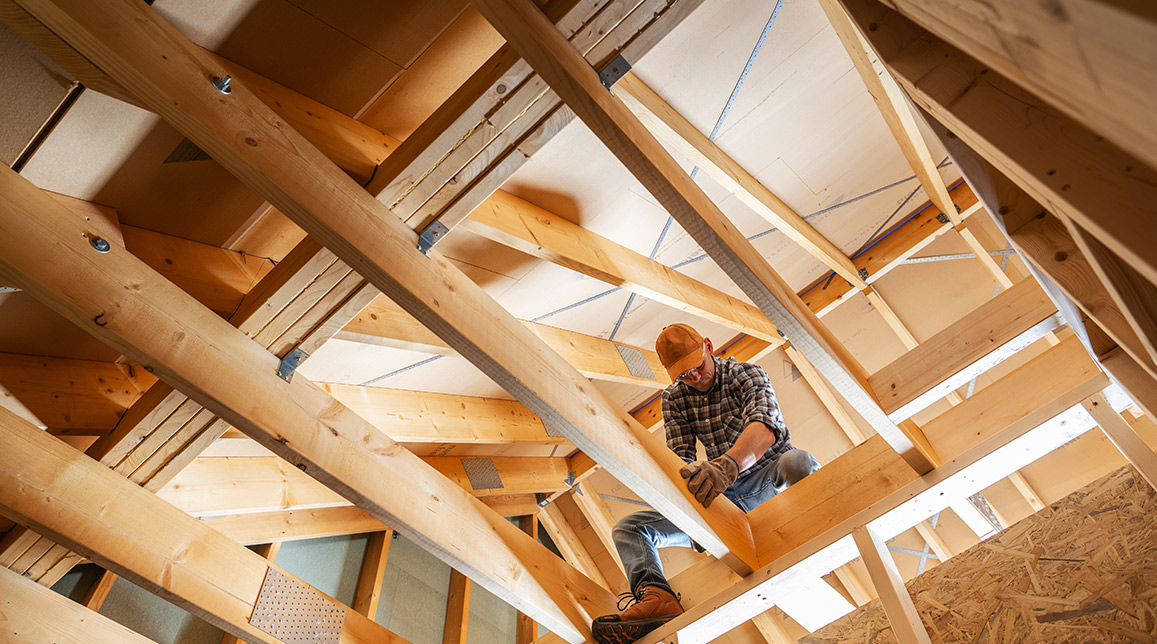
A man works on a house roof, focused on construction during winter, highlighting home-building challenges in cold weather.

Building a home in the Rio Grande Valley (RGV), which includes vibrant cities like Edinburg, McAllen, Mission, Harlingen, and Brownsville, offers unique advantages thanks to the region’s mild winter climate. Unlike northern parts of Texas, the RGV doesn’t experience freezing temperatures or snow, allowing construction to continue smoothly through the winter months.

Average winter temperatures in the Valley range between 55°F and 75°F, with cooler nights and occasional rain. These moderate conditions make it possible to build comfortably and efficiently while avoiding the scorching summer heat that can hinder progress.

Mild winters don’t mean builders can ignore seasonal challenges. Humidity, rain, and shorter daylight hours can still influence schedules, material handling, and overall productivity. This guide explores how to plan a successful RGV home-building project during winter while maintaining quality and efficiency.

 Key Winter Construction Factors in the RGV

Even though the Rio Grande Valley enjoys a subtropical climate, understanding local environmental factors helps avoid delays and material issues.

  • Mild Temperatures, Occasional Rain: While the RGV rarely experiences freezing conditions, cold fronts can bring brief rain showers and windy days that temporarily disrupt outdoor work.
  • High Humidity: Relative humidity often remains above 60%, even in winter. Builders must manage moisture to prevent warping, paint issues, or slow drying times for concrete and finishes.
  • Shorter Daylight Hours: Days in December and January offer roughly 10.5 hours of daylight, requiring careful planning to make the most of working hours.
  • Wind Exposure: The Valley’s open terrain and proximity to the Gulf can bring occasional strong winds, especially near South Padre Island or Port Isabel, affecting outdoor work and material stability.

To prepare for these elements, it’s wise to follow seasonal home maintenance tips and plan ahead for material storage and drainage adjustments.

Preparing Your Building Site for a South Texas Winter
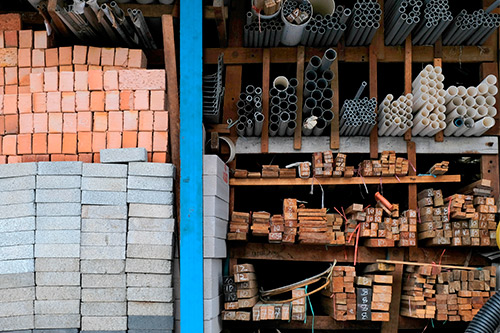
A man is positioned on a platform with bricks, focused on constructing a home during the winter season.While the RGV doesn’t face frozen ground or snow, smart preparation keeps your site safe, dry, and efficient year-round.

  • Plan for Proper Drainage: Even during winter, the Valley can receive 2–3 inches of rain per month, mainly from passing cold fronts. Grading your site correctly and installing temporary drainage systems prevent standing water and foundation issues.
  • Protect Building Materials: Moisture management is essential. Store lumber, drywall, and cement above ground and cover them with breathable, waterproof materials. Proper airflow reduces mold and warping.
  • Monitor Weather Patterns: South Texas weather changes quickly. Short-lived cold fronts can interrupt work, so scheduling flexibility is key. Allow materials, especially concrete and finishes, to dry properly before proceeding.
  • Support Worker Safety: Since daylight is limited, use supplemental lighting and covered work areas. Providing hydration and shaded rest zones keeps teams productive without the fatigue common in summer heat.

Scheduling in the RGV Winter

Unlike regions where construction halts during harsh winters, South Texas builders often prefer winter months because they are more temperate and predictable. Strategic scheduling tips include:

  • Prioritize outdoor work early: Use mild days for framing, roofing, and exterior finishes before any rain systems arrive.
  • Plan interior work during rain: Schedule drywall, electrical, or cabinetry work during wet spells to maintain momentum.
  • Use weather forecasts proactively: Five- to ten-day forecasts help plan around expected rain or wind.
  • Coordinate subcontractors efficiently: Communicate frequently with trades and suppliers to handle short-notice schedule shifts.
  • Inspect early in the day: Visibility is best in the mornings, and inspectors are less backed up, which reduces delays.

When managed properly, winter can actually accelerate construction timelines because workers experience fewer heat-related slowdowns compared to summer. 

Project Management and Advanced Scheduling Strategies for Winter Builds

On a desk, a hard hat, protective glasses, and a calendar are displayed, suggesting preparation for a construction project.To further ensure your winter build runs smoothly, these advanced strategies translate seasonal challenges into actionable planning steps:

1. Build Realistic Timelines

  • Include buffer days for potential weather disruptions, consider 20–30% additional time during the peak winter months.
  • Schedule outdoor work during dry periods to maximize productivity.
  • Account for shorter 7–8-hour winter days by front-loading interior work when light is limited.

2. Coordinate Deliveries and Subcontractors Strategically

  • Arrange material deliveries ahead of time to prevent weather-related delays.
  • Clusters of similar trade work together to make the most of favorable conditions.
  • Maintain flexible contracts with subcontractors, allowing adjustments for unexpected weather.
  • Set up indoor staging areas so trades can continue work even during rain or wind.

3. Utilize Weather Forecasting for Adaptive Planning

  • Monitor 5–10 day forecasts to schedule sensitive tasks appropriately.
  • Develop contingency plans for heavy rain, strong winds, or sudden cold fronts.
  • Prepare alternative indoor tasks that can be performed if outdoor work is disrupted.
  • Establish seasonal milestones that reflect realistic winter progress.

4. Maintain Strong Communication Channels

  • Hold weekly schedule reviews focused on weather-dependent tasks.
  • Set clear protocols for halting and resuming work during weather events.
  • Use digital project management tools to keep all stakeholders updated in real-time.
  • Document any weather impacts for future planning and contractual purposes.

With these strategies, your RGV winter build can maintain momentum, minimize delays, and maximize productivity, even when weather poses challenges. Proper planning and clear communication turn seasonal obstacles into manageable steps, ensuring your home is built efficiently and on schedule.

Choosing the Right Builder and Materials

The Rio Grande Valley’s humidity and heat cycles call for regionally tested materials and builders who understand local conditions.

Partner with experienced local builders:
Local contractors familiar with the Valley’s microclimates, from coastal Harlingen to inland Edinburg, know how to manage humidity, soil conditions, and drainage patterns. Their insight ensures stronger foundations and more energy-efficient homes.

Smart material choices for South Texas homes:
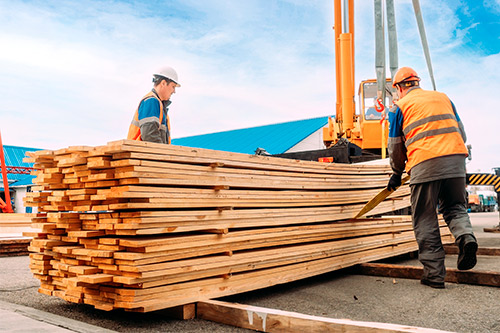
Two men wearing orange vests are actively sorting through a pile of wood in a work area.

  • Concrete: Use moisture-tolerant or fast-curing mixes that perform well in humid conditions.
  • Framing: Opt for pressure-treated lumber to prevent mold and swelling.
  • Insulation: Choose spray foam or cellulose for better temperature regulation and humidity control.
  • Roofing: Reflective materials like metal or cool shingles reduce heat absorption year-round.

By combining locally informed expertise with durable, climate-ready materials, builders can create structures that not only withstand South Texas weather but also make winter construction more efficient, sustainable, and cost-effective year-round.

Why Winter Is the Ideal Time to Build in the Rio Grande Valley

Winter in the RGV brings a perfect blend of mild temperatures, lower humidity, and reduced demand for contractors, making it one of the most efficient times for construction.

Benefits of building during winter:

You can also incorporate cost-efficient construction strategies and smart home features to make your new build even more future-ready. With careful project planning, building your home in winter can help you save time, reduce costs, and ensure higher-quality craftsmanship.

Build Your Dream Home with Guzman Construction

Two men engaged in a handshake at a construction site, indicating collaboration on a building project.

Partner with Guzman Construction, the Rio Grande Valley’s trusted leader in residential home building. Whether you’re planning in Edinburg, McAllen, Mission, or Brownsville, our experienced team delivers quality results from design to completion.

We specialize in:

  • Energy-efficient designs made for South Texas weather.
  • In-house financing options that can save homeowners up to $15,000.
  • Reliable project timelines that stay on track, even during the winter months.

Our deep understanding of the RGV’s unique climate ensures that your home is built to last, offering both beauty and resilience. Contact Guzman Construction today to schedule a free consultation and discover how we can bring your vision to life, no matter the season.

FAQs About Building a Home in Winter

1. Can I save money by building in winter?

Yes. Winter often sees lower demand for contractors and materials, which can lead to cost savings. Some builders offer off-season discounts, and shorter permit wait times can reduce carrying costs for financing.

2. How does winter construction affect landscaping?

Planting during winter can be tricky since some plants go dormant. It’s often best to focus on hardscaping, soil grading, and drainage during winter, leaving sensitive plantings for spring.

3. Will I face any permitting issues during winter?

Permitting offices in the RGV usually operate year-round. Winter can actually be advantageous, as fewer applications are submitted, potentially speeding up approvals.

4. Are there special considerations for foundations in winter?

While freezing isn’t an issue, wet soils from rain can affect excavation and foundation pouring. Builders may use gravel beds, temporary drainage, or moisture-resistant concrete mixes to ensure stable foundations.

5. How does winter weather affect energy efficiency testing?

HVAC and insulation performance can be assessed effectively during mild winter conditions. Testing in winter allows builders to identify drafts, moisture issues, and insulation gaps before the hotter months.

6. Can outdoor amenities like pools or patios be installed in winter?

Yes, but timing depends on rainfall and soil conditions. Concrete and masonry work can proceed, though curing times may be slightly longer due to humidity. Pools may be installed, but landscaping around them might be delayed until spring.

7. Should I worry about pest control during winter construction?

Winter activity for termites and other pests is reduced, but it’s wise to schedule preventive treatments early in construction to protect wood framing and landscaping.

8. Is winter a good time to select finishes and fixtures?

Absolutely. Interior finishes, cabinetry, flooring, and fixtures can be installed without weather interruptions. Cooler temperatures also help paints and adhesives cure properly in controlled environments.

9. How does winter affect construction warranties?

Most warranties remain the same year-round. Documenting weather conditions and proper material handling during winter can help avoid disputes later on.

10. What if I want to move in immediately after construction?

Winter builds in the RGV generally avoid extreme weather delays, so move-in timelines can be more predictable. It’s still important to allow for interior curing and landscaping adjustments before occupancy.

Remodel or Renovate? Navigating South Texas Home Transformation

A couple perched on a ladder in a vacant room, discussing their plans for remodeling versus renovating the space.

When planning home improvements, the terms “remodel” and “renovate” are often used interchangeably, yet they represent distinctly different approaches to transforming your living space. Understanding this difference is important for setting realistic expectations about costs, timelines, and results.

A renovation refreshes or updates existing elements without changing a home’s fundamental structure. Think of it as giving your space a facelift rather than reconstructing it. Renovations are typically less invasive, more cost-effective, and often DIY-friendly.

  • Common renovation projects include painting walls, replacing flooring, updating fixtures, installing new countertops, or refreshing cabinet hardware
  • Renovations generally preserve the original purpose and layout of spaces
  • Most renovation work doesn’t require extensive permitting or city approvals

In contrast, remodeling involves substantial structural changes that alter a space’s layout, purpose, or functionality. These projects typically transform how you use your South Texas home, not just how it looks.

  • Remodeling examples include removing or adding walls, expanding rooms, changing floor plans, moving plumbing, or adding an extension
  • These projects often require professional contractors, architects, or specialized tradespeople
  • Remodels nearly always need building permits and must comply with local building codes

The distinction matters significantly for your project planning. Remodels generally cost more, take longer to complete, and involve more complex planning than renovations. Understanding which approach you need helps establish realistic budgets, timelines, and expectations for your home transformation project.

Weighing the Pros and Cons: Which Is Right for Your South Texas Home?

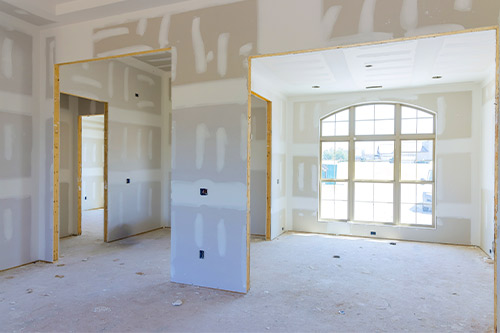
Interior view of a room with a drywall wall and a window, highlighting aspects of remodeling versus renovating.

Once you understand the difference between remodeling and renovating, the next step is evaluating which approach best suits your specific needs. Both options offer distinct advantages and limitations that should align with your goals, budget, and timeline.

Comparing Renovation vs. Remodeling

Before deciding which option fits your goals, it’s helpful to weigh the pros and cons of each approach. While both aim to enhance your living space, they differ in cost, complexity, and overall impact. The table below outlines the key advantages and limitations of renovation versus remodeling:

Approach Advantages Limitations
Renovation • Lower cost (often hundreds vs. thousands)
• Quick completion (days vs. weeks/months)
• Higher ROI potential
• Often DIY-friendly
• Doesn’t address structural issues
• Often a short-term fix
• Cannot alter floor plans or functionality
• Limited scope for personalization
Remodeling • Significantly improves functionality
• Extends home lifespan
• Creates custom spaces tailored to needs
• Can increase property value substantially
• Higher costs (averaging $47,000 for multiple rooms)
• Longer timelines and more disruption
• Requires permits and professional help
• More complex planning and execution

Your decision should be guided by how long you plan to remain in your home. If you’re planning to sell soon, focus on strategic renovations with high ROI, like updated bathrooms or refreshed kitchens. For a “forever home,” investing in a remodel that enhances functionality and addresses your family’s evolving needs often makes more sense, despite the higher upfront costs.

Planning Your Home Transformation: Budget, Financing, and Process

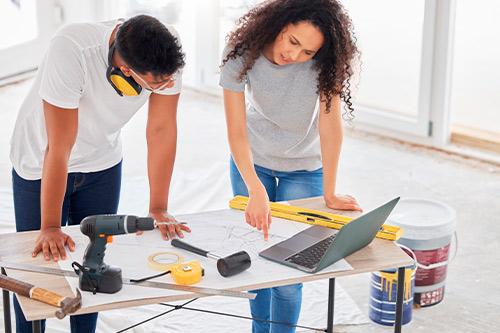
Two people are engaged in a home design project, analyzing blueprints and sharing ideas at a workspace.

Once you’ve decided whether to renovate or remodel, careful planning becomes essential for project success. Breaking down the costs is your first step: renovations typically range from $15 to $60 per square foot, while remodeling projects can average $47,000 for multiple rooms. For perspective, a light renovation of a 2,500-square-foot home might cost around $15,000, while comprehensive remodels can reach $190,000 or more.

Several financing options can help make your project affordable:

  • In-house financing through builders like Guzman Construction, potentially saving up to $15,000 on construction costs
  • Personal loans, offering rates from 5% to 36% based on credit and income
  • Home equity loans provide lump-sum funding at potentially lower rates
  • HELOCs (Home Equity Lines of Credit), allow flexible borrowing during your project

Working with experienced professionals is indispensable, especially for complex remodels requiring permits and specialized expertise. Additionally, implementing annual home inspections helps identify potential issues before they become costly problems. Regular checks of your roof, gutters, walls, and windows can prevent minor concerns from developing into major expenses.

Bringing Your Vision to Life: Choosing the Right Builder and Showcasing Results

A man and woman are engaged in a project, working together in a comfortable home environment.

Even the most well-planned home transformation requires the right partner to execute it properly. Selecting a reputable, experienced builder committed to quality and customer service can make the difference between a dream realized and a renovation nightmare.

Quality builders like Guzman Construction stand out by making the building process seamless, delivering finished products that meet budgets and timelines while exceeding expectations. Being second-generation home builders, they showcase the qualities Texas homeowners should prioritize when choosing a contractor, clearly demonstrated in their current projects. When choosing a home builder, keep these key factors in mind:

Successful transformations speak for themselves. Properties like 41 Nemont Estate and 106 Shary Estates demonstrate how professional builders bring visions to life, whether through comprehensive remodels or targeted renovations. These projects showcase not just aesthetic improvements but functional enhancements that improve daily living.

As you envision your ideal South Texas home transformation, remember that the journey from concept to completion requires both clear planning and the right execution partner. With a reputable builder by your side, you can approach your renovation or remodel with confidence, knowing your investment will result in a space that truly reflects your vision and enhances your quality of life.

If you are looking to create a stunning renovated home or remodeled home, remember that Guzman Construction is here to guide you every step of the way. We prioritize quality and Texas customer satisfaction so that your project meets your expectations and budget. Explore our portfolio of stunning transformations and discover how we can bring your vision to life. Start your journey towards a more beautiful and functional home today! 

FAQs about remodeling and renovating for your South Texas Home

An assortment of tools alongside a stack of money on a table, highlighting a work and financial theme.

1. How do I know if my home project needs a permit?

Permits are generally required for projects that involve structural changes, electrical rewiring, plumbing relocation, or adding square footage. Cosmetic updates like painting, flooring, or replacing fixtures usually don’t require permits. Always check your local building codes to avoid fines or delays. Your reputable contractor would know the answers and requirements!

2. What are some signs my home needs a remodel instead of a renovation?

If your home has outdated layouts, insufficient space, or structural issues, a remodel is often the better choice. For example, if you need an open-concept kitchen or additional bedrooms, renovation alone won’t meet your needs.

3. Which home improvements add the most value when selling?

Kitchens and bathrooms typically offer the highest return on investment. Adding energy-efficient features, updated flooring, and curb appeal improvements can also significantly boost resale value.

4. Can I live in my home during a major remodel?

It depends on the scope of work. Small renovations can often be completed without moving out, but large-scale remodels involving plumbing, electrical, or structural changes may require temporary relocation for safety and convenience.

5. How can I keep my project on budget?

Set a clear budget upfront, include a 10–20% contingency for unexpected costs, and work with a contractor who provides transparent pricing and detailed contracts. Avoid frequent design changes mid-project to prevent cost overruns.

6. Are there eco-friendly options for remodeling or renovating?

Yes! Consider energy-efficient windows, low-VOC paints, sustainable flooring materials, and water-saving fixtures. Builders who prioritize green practices can also help reduce your long-term utility costs.

Building a Greener Future: Top 10 Sustainable and Alternative Materials for Your Home

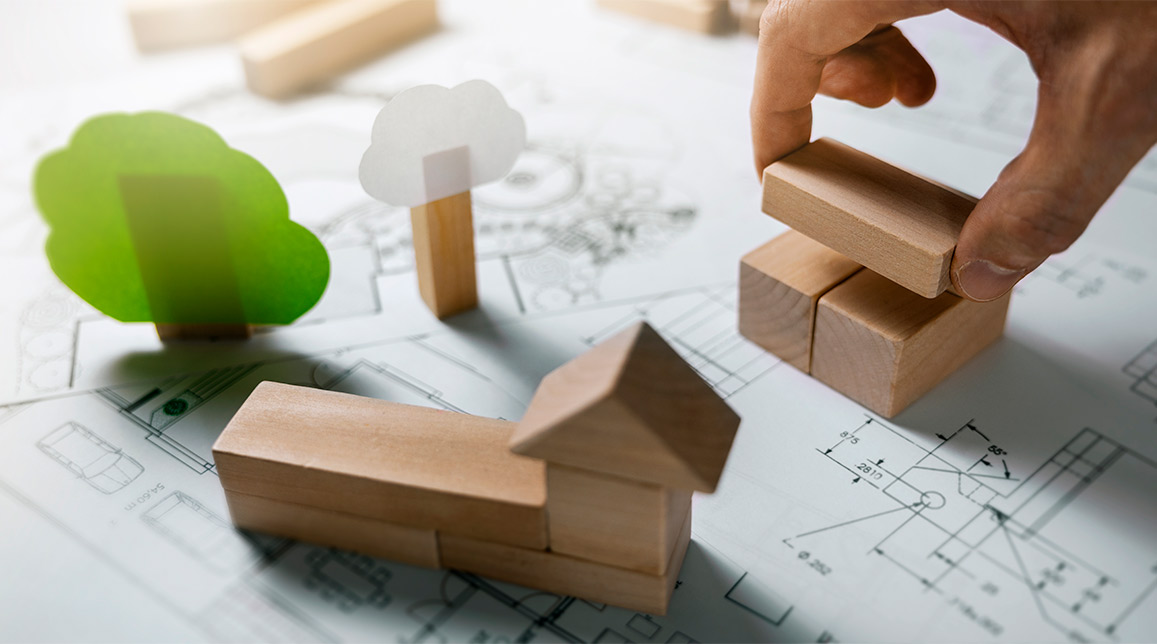
house model and eco planning for a home. Cover image for Building a Greener Future: Top 10 Sustainable and Alternative Materials for Your Home

As climate concerns grow and homeowners become increasingly environmentally conscious, the demand for eco-friendly and durable building materials is on the rise. The construction industry alone contributes to a staggering 37% of global greenhouse gas emissions, making the shift toward sustainable building practices more crucial than ever.

Sustainable building materials are those that do not harm the environment during their production, use, or disposal, and can be easily recycled. Choosing these alternative building materials offers a triple benefit:

  • Environmental protection through reduced carbon emissions,
  • Economic advantages with 25-35% energy savings, and
  • Health improvements for occupants through better indoor air quality and thermal comfort

The foundation of your home, both literally and figuratively, sets the tone for its overall sustainability. By incorporating eco-friendly materials from the ground up, homeowners can create structures that remain environmentally responsible throughout their entire lifecycle, from construction to eventual demolition.

10 Sustainable Building Materials for Homes to Consider

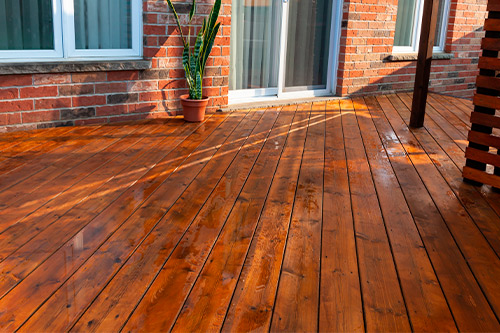
Wood floor, green material

Today’s eco-conscious homeowners have more sustainable building material options than ever before. Whether for construction, insulation, or flooring, these materials not only enhance your home but also benefit the environment. Here are ten outstanding alternatives that combine environmental benefits with exceptional performance:

  1. Reclaimed Wood gives new life to timber from old buildings, reducing demand for virgin forest products. Often harvested from old-growth forests, reclaimed wood typically offers superior strength and a unique aesthetic character, making it perfect for exposed beams, flooring, and decorative elements.
  2. Sheep’s Wool Insulation offers natural moisture regulation and excellent thermal performance. Unlike synthetic alternatives, wool insulation absorbs and releases humidity without compromising its insulating properties, making it particularly valuable in humid environments. It’s naturally fire-resistant, non-toxic, and biodegradable at the end of its useful life.
  3. Bamboo is a rapidly renewable resource that reaches maturity in just 3-5 years. This versatile grass absorbs significant CO2 while growing and offers an impressive strength-to-weight ratio, making it excellent for flooring, furniture, and even structural elements.
  4. Recycled Steel maintains its structural properties through an infinite number of recycling cycles. Did you know steel is the most recycled material globally, exceeding plastic, paper, aluminum, and glass combined? Its strength, durability, and corrosion resistance make it ideal for structural framing, roofing, and window frames.
  5. Hempcrete is a blend of hemp fibers and lime, creating lightweight, insulating building blocks. This carbon-negative material offers excellent thermal regulation, moisture control, and fire resistance while sequestering carbon throughout its lifecycle, making it an ideal choice for use in walls and insulation in energy-efficient homes.
  6. Rammed Earth utilizes compacted soil mixtures to create solid, thermally massive walls. This ancient technique has been modernized for contemporary applications, delivering exceptional durability and thermal performance while minimizing embodied energy. Its natural aesthetic and excellent thermal mass make it particularly suitable for areas with significant day-night temperature fluctuations.
  7. Cork is harvested sustainably from oak tree bark without harming the trees, which regenerate their bark approximately every decade. Naturally resistant to moisture, fire, and pests, cork provides excellent thermal and acoustic insulation, making it perfect for flooring, wall coverings, and insulation applications.
  8. Straw Bale construction repurposes agricultural waste into high-performance building elements. These thick-walled structures offer exceptional insulation and sound dampening while sequestering carbon. Finished adequately with earth or lime plaster, straw bale walls are surprisingly fire-resistant and durable, perfect for exterior walls in many climate zones.
  9. Recycled Plastic diverts waste from landfills and oceans while creating durable building materials. Innovative manufacturers transform plastic waste into a wide range of products, including decking and siding, insulation, and roofing tiles. These products typically resist moisture, insects, and decay better than many traditional materials.
  10. Mycelium is the vegetative root structure of mushrooms that can be grown into customized shapes and building materials. This truly revolutionary, carbon-negative material creates fire-resistant, highly insulating, and completely biodegradable products. Mycelium is currently used for insulation, acoustic panels, and even furniture components.

By incorporating these sustainable materials into your home design, you’re not only reducing environmental impact but also often gaining superior performance and distinctive aesthetic appeal. The following section will help you determine which of these materials best suits your specific home project.

How to Choose the Right Alternative Building Materials for Homes

Building materials for construction

Selecting the ideal sustainable materials for your home requires careful consideration of several key factors. Here are the most important details, with additional information provided in the table below.

Consider your local climate

  • Materials perform differently in different environments.
  • In humid areas like McAllen, bio-based insulation (e.g., sheep’s wool, hemp) effectively manages moisture.

Factor in your budget

  • Sustainable materials may cost more upfront, but they often result in lower long-term energy and water bills.
  • Green buildings can reduce energy use by 25–35% and water use by up to 39%.

Prioritize local availability

  • Locally sourced materials lower the carbon footprint.
  • Proximity reduces transportation emissions and supports regional economies.

Evaluate performance, not just sustainability

  • Assess durability, maintenance, and thermal efficiency.
  • Reclaimed wood, for example, is strong, beautiful, and eco-friendly.

The table below provides a comparison of ten alternative building materials, highlighting the ideal climate for each, estimated costs, typical sources or availability, and their primary applications in the construction process.

Material Climate Cost Availability Purpose
Reclaimed Wood Properly treated. Performs well in most climates Moderate to high Available in most regions, especially urban areas flooring paneling furniture framing
Sheep’s Wool Excellent for humid and cold climates.
Moisture-regulating & insulating properties
Moderate Region dependant, farming regions Insulation in roofs, walls, and floors
Bamboo Moderate to humid climates.
Degrade in extreme cold without treatment
Low to moderate Abundant in tropical and sub-tropical areas. Elsewhere imported Flooring wall paneling furniture structural elements
Recycled Steel Suitable for all climates; fire and pest resistant High upfront Widely available especially industrialized areas Structural framing roofing
Hempcrete Ideal for temperate climates; not load-bearing and requires a frame Moderate Growing availability with hemp legalization Insulation, non-load-bearing walls
Rammed Earth Dry or temperate climates; not ideal in very humid areas without treatment Low to moderate but labor intensive Locally available Walls & floors
Cork Most
climates, naturally resistant to moisture, mold, and fire
Moderate to high Limited to regions near cork oak production: mediterranean Floors, wall panels, insulation
Straw Bales Ideal for dry climates; must be well-sealed in humid areas to prevent rot Very low Readily available in agricultural regions Insulation, wall construction
Recycled Plastic All climates when properly treated and used Low to moderate Increasingly available  through recycling programs Insulation composite lumber, bricks, decorative elements
Mycelium Temperate climates;  in development for broader use Currently high emerging tech Limited but growing with more sustainable R&D Insulation, biodegradable panels

Building a Greener Future with Durable, Eco-Friendly Materials

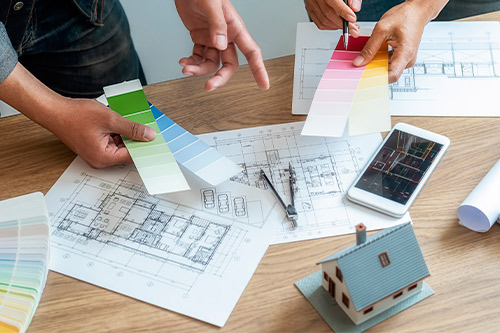
Home building planning: materials and design

As we’ve explored throughout this article, sustainable building materials represent a crucial step toward creating homes that are not only environmentally responsible but also beautiful, durable, and healthy. By choosing eco-friendly materials, homeowners can significantly reduce their carbon footprint while enjoying spaces that promote wellbeing and connection with nature.

The benefits of sustainable construction extend across three essential dimensions.

  1. Environmentally, these materials conserve natural resources and reduce waste.
  2. Economically, they can lead to substantial savings, ranging from 25-35% on energy costs and 39% on water consumption, according to research.
  3. Socially, they create healthier indoor environments with better air quality and thermal comfort, enhancing overall quality of life.

Whether you’re building from the ground up or renovating, sustainable options exist for every part of your home. From foundation building materials like rammed earth and recycled concrete to finishing touches such as cork flooring and reclaimed wood, eco-friendly alternatives are becoming increasingly accessible and mainstream.

We encourage you to take the first step toward a more sustainable home today. Consult with architects and builders who specialize in green construction, or start small by incorporating just a few sustainable elements into your next project.

At Guzman Construction, we specialize in incorporating sustainable and alternative building materials that reduce your carbon footprint while enhancing the durability and aesthetic appeal of your home. Contact us today to learn more about our eco-friendly construction solutions.