
Category: Uncategorized

The Benefits of Smart Homes in Modern Construction

Young man using smart home app to control light colors in the evening at home

Smart homes are touted as the future of modern construction for a reason. By 2025, 3 in 5 US households are projected to adopt smart home technology.

In essence, a smart home utilizes interconnected devices and appliances that can be controlled remotely via your smartphone or tablet. This translates into a plethora of benefits for homeowners, the environment, and even the construction industry itself. Let’s delve deeper into how smart homes are shaping the future of home construction.

Young woman controlling home light with a digital tablet in the living room. Concept of a smart home and light control with mobile devices

Benefits of Smart Home Construction for the Homeowners

Consumers are demanding smart homes because of the convenience they offer. The cost of these technologies has reduced drastically over the years, enabling middle and even lower-income families to adopt these technologies with ease.

If you’re planning to adopt smart appliances for your home, here are the benefits you can expect:

Remote accessibility

With smart home technology, homeowners can control and monitor their home systems from anywhere with an internet connection. Whether you’re at work, on vacation, or simply lounging on the couch, you can adjust your thermostat, check security camera feeds, or even unlock the door for a visitor—all from your smartphone or tablet. You can even grant or revoke access to certain sections of your home from your fingertips. This is really valuable when there’s an important Amazon parcel at the doorstep, but you’re out at work.

Voice control

Voice command isn’t limited to Iron Man anymore. Now, you have the power to control your environment with simple commands. Integration with virtual assistants like Amazon Alexa, Google Assistant, or Apple’s Siri allows for hands-free operation of smart devices. You can simply speak commands to control lighting, play music, set timers, or even order groceries, making mundane tasks effortless and efficient.

Smart home technology, wall system and man with digital ui monitor for thermostat heating, safety security network or air conditioning. AI software app, house automation or profile of person with IOT

Automation and scheduling

Smart home systems enable the automation of routine tasks based on pre-set schedules or triggers. For example, you can program your lights to turn on gradually in the morning to simulate sunrise or schedule your thermostat to adjust temperatures throughout the day to optimize comfort and energy savings. Automation also helps you out with everyday household chores. Smart ovens allow you to preheat or even start cooking a meal remotely, saving you time when you finally get home. Smart vacuums can keep your floors clean even when you’re not around, and smart washing machines can notify you when your laundry cycle is complete, eliminating the need for constant checking.

Personalized settings

Smart homes offer personalized experiences tailored to individual preferences. Through machine learning algorithms, these systems can learn your habits and preferences over time, adjusting settings accordingly. For instance, smart thermostats can learn your temperature preferences and automatically adjust settings to ensure optimal comfort without manual intervention. The Google Nest thermostat is gaining popularity because of this reason.

Integration and compatibility

Smart home technology allows for seamless integration and compatibility between different devices and systems. This means you can control multiple aspects of your home—such as lighting, heating, security, and entertainment—from a single interface, simplifying management and enhancing overall convenience.

Remote monitoring and alerts

Smart home security systems provide real-time monitoring of your property, sending alerts to your smartphone in case of suspicious activity or emergencies. Whether it’s a potential break-in, a smoke alarm, or a water leak, you’ll be promptly notified, allowing for quick response and peace of mind.

Energy monitoring and management

Smart energy monitoring tools help homeowners track their energy usage in real-time and identify areas where efficiency can be improved. By providing insights into energy consumption patterns, smart homes empower users to make informed decisions that lead to cost savings and environmental benefits.

By asking custom home builders in RGV to incorporate these smart home features, you can transform your living space into a haven of effortless convenience, freeing up your time and energy for the things that truly matter.

Man monitoring modern CCTV cameras on smartphone indoors, closeup. Home security system

Benefits of Smart Home Construction for the Environment

We’ve all heard the buzz about smart homes, but what about their impact on the environment? Are they just a fancy tech trend, or can they truly make a difference? The answer is a resounding yes! Not just consumers, smart homes benefit the environment in several ways. These are:

Lower energy consumption

Imagine leaving the lights on accidentally or blasting the air conditioning while you’re at work. Smart thermostats and lighting systems can learn your routines and preferences, automatically adjusting settings to save energy. Nest Learning thermostats can save anywhere from 10% to 12% energy on heating and 15% on cooling. This translates to $131 to $145 in savings every year.

Conserve water

Water is a valuable resource that every life form on earth depends on for survival. Thus, conserving water translates to conserving the ecosystem. By integrating smart appliances and devices, such as energy-efficient lighting and water-saving fixtures, smart homes help conserve resources like water and electricity. For example, smart irrigation systems use weather data to adjust watering schedules, reducing water usage by up to 50% compared to traditional systems, as reported by the Environmental Protection Agency. If you have a big lawn or garden, you can opt for these systems. Water scarcity is becoming a major problem in Mission, TX, and smart tech can help with that.

Reduced carbon emission

Smart homes contribute to lower carbon emissions by reducing energy consumption and reliance on fossil fuels. According to the World Green Building Council, buildings are responsible for approximately 39% of global CO2 emissions, but smart home technologies can help mitigate this impact. For instance, a study found that smart home automation can lead to 13% in CO2 emissions.

Better waste management

While still in the nascent stages (at the residential level), smart home technology can potentially aid waste management. Using cameras and AI, smart homes could automatically sort your waste at the source, eliminating sorting confusion and contamination in recycling bins. The technologies can also analyze your waste habits and suggest ways to reduce waste or improve recycling practices. The San Francisco Department of Public Works reduced overflowing waste by about 80% with the help of smart technologies. It’s a matter of time before such capabilities come to your home.

So, if you’re an environment-conscious person, smart home tech should be at the top of your desired list.
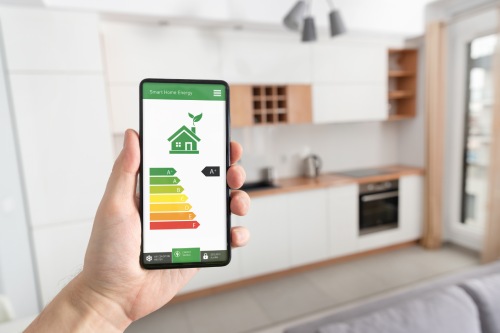
Energy efficiency mobile app on screen. Ecology, eco house concept

Benefits of Smart Home Construction for the Construction Industry

Lastly, smart home technology offers numerous benefits to the construction industry, revolutionizing how homes are designed, built, and managed.

Smart home technology streamlines construction processes and improves operational efficiency. For example, prefabricated smart home components, such as integrated wiring systems and automated lighting fixtures, can be installed more quickly and with fewer errors than traditional building methods. This leads to shorter construction timelines and reduced labor costs.

Smart homes are also a major selling point in today’s saturated home market.

survey by Rent.com found that 82% of renters demand at least one smart home feature when looking for rentals. Likewise, 3 in 4 potential home buyers are willing to pay more for a smart home.

So, a smart home can essentially future-proof your home.

Build Your Smart Home With Us!

Overall, smart homes are not just an internet-driven fad—they represent a significant step towards sustainable living. With the potential to save money on utility bills while also helping the planet, smart homes are a win-win solution for homeowners and the environment alike.

So take a step towards a smart home by incorporating smart technologies for your new home in McAllen. Discover the future of home construction with Guzman Construction. Contact us today to learn more.
5 Eco-Friendly Home Building Trends in McAllen

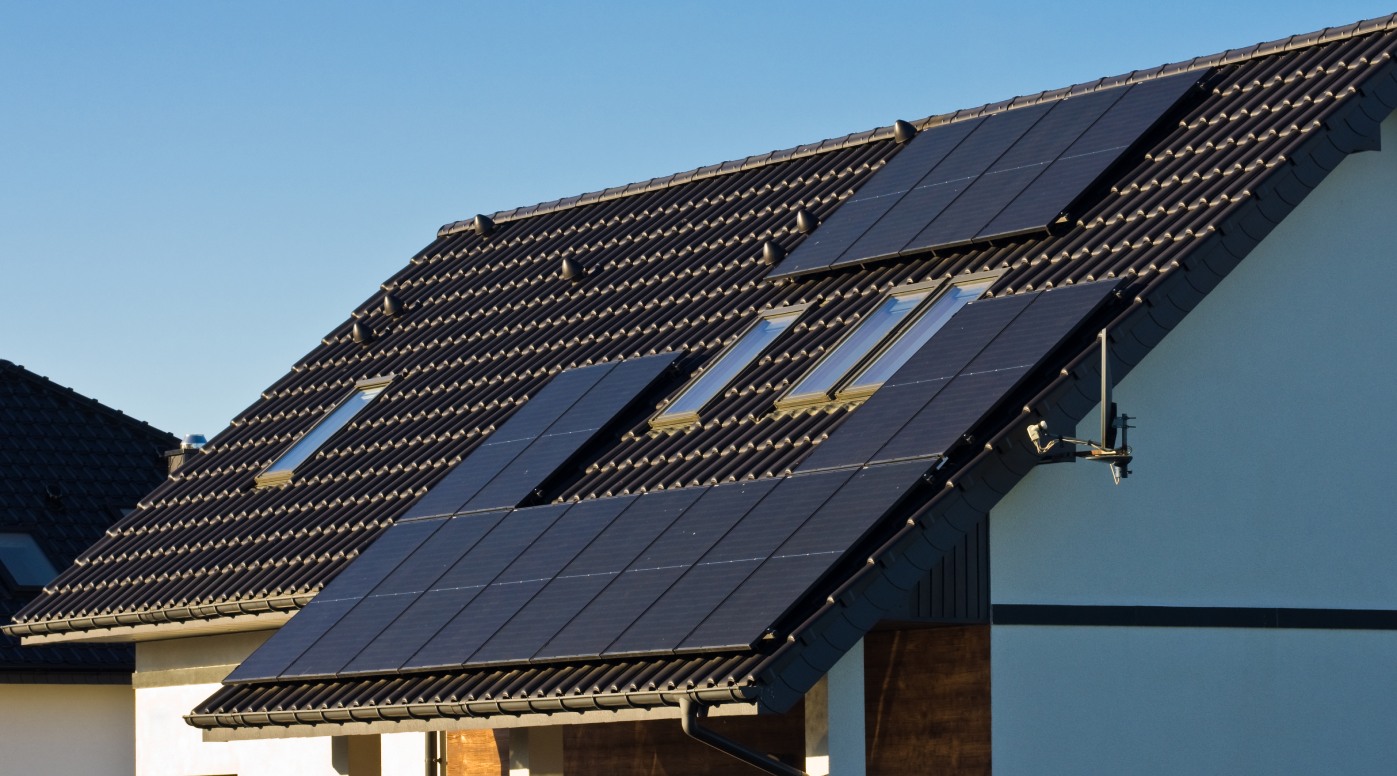
Solar panes on a roof

McAllen is among the best cities in Texas to build your dream home. The city offers an unmatched balance of affordability and quality of life.

So, if you’ve chosen McAllen, Texas, as your home project, you’ve made the right decision. Another right decision you can (and should) make is to build an eco-friendly home. In these trying times when global warming is a growing concern, it makes sense to make your home more efficient.

The good news is it doesn’t have to be expensive and eat into your budget.

In this article, let’s look at 5 eco-friendly home-building trends in McAllen you should look to leverage.

Sustainable Home-Building Trends to Embrace in McAllen

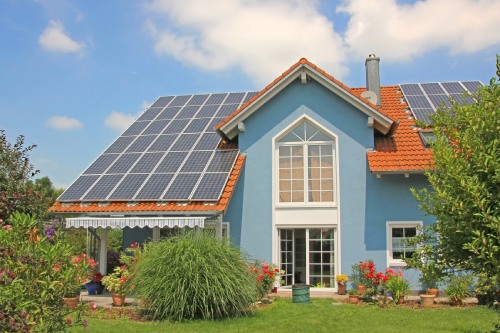
1.    Solar is the future in TexasSolar panels on house

Texas is known as a leader in fossil fuels, and it contributes directly to the state economy. But the future is somewhere else: in solar.

As an intense heat wave gripped the state in the summer of 2023 and residents feared power shortages, solar energy came to the rescue. Last year, solar provided nearly 20% of the state grid’s power. And this figure is likely going to increase.

Hence, if you are building your own home in RGV, installing solar panels is a growing trend you must follow. Texan cities like Austin and Galveston are regularly featured on the sunniest cities in the US list. McAllen isn’t that far away from either of the cities. And therefore, you should expect year-round sunshine to generate consistent solar power.

While, unfortunately, there’s no state-level solar tax credit, a federal solar tax credit is still available for homeowners in Texas. As of 2024, the credit is worth 26% of the total cost of your solar panel system installation.

This credit can be applied to your federal income taxes for the year the system is installed. The federal credit is scheduled to step down gradually in the coming years, so it’s a good incentive to take advantage of it while it’s still at a high rate.

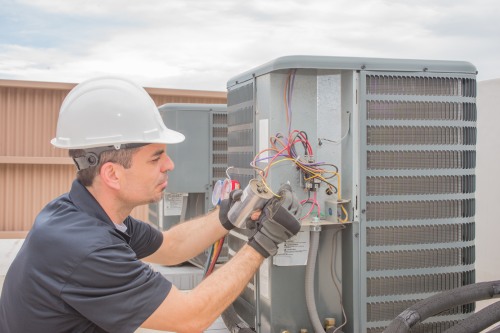
2.    High-efficiency HVAC systemsEco-friendly HVAC

There’s a growing focus on sustainability and energy savings in both residential and commercial sectors. High-efficiency HVAC (Heating, Ventilation, and Air Conditioning) systems are a key component of sustainable building practices, leading to increased adoption.

Installing high-efficiency HVAC systems in new homes in McAllen is crucial for sustainable home construction. These systems reduce power consumption, thereby reducing electricity bills.

Unlike traditional HVAC systems that operate at a fixed speed, high-efficiency systems utilize variable-speed compressors and fans. These components can adjust their speed based on the heating or cooling demands of the home, resulting in more precise and efficient operation.

High-efficiency systems with superior insulation and air sealing are often installed in homes. This helps minimize heat loss during the winter and heat gain during the summer, reducing the workload on the HVAC system and improving overall efficiency.

These systems also incorporate advanced heat exchange technology, such as heat pumps or heat exchangers, to extract heat from the air or ground and transfer it into the home during the winter (in heating mode) and remove heat from the home and expel it outside during the summer (in cooling mode).

So opt for high-efficiency HVAC units when building your new home in McAllen.

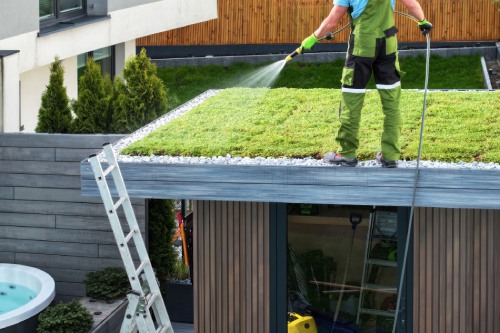
3.    Green roofingGreen roofing

Green roofing is a growing trend in the US, with some pockets of stronger adoption, such as Texas. Green roofing, also known as living roofing or vegetated roofing, involves the installation of a layer of vegetation and soil on the roof of a building.

This roofing arrangement is beneficial for several reasons, especially in McAllen, Texas.

Texas experiences scorching temperatures, especially during the summer months. Green roofing helps mitigate urban heat island effects by absorbing and dissipating heat through evapotranspiration, reducing the temperature of the roof surface and the surrounding air. This can help lower cooling costs for homes and buildings by reducing the need for air conditioning.

In Texas, where air conditioning accounts for a significant portion of household energy usage, green roofing can lead to substantial savings on utility bills while enhancing thermal comfort indoors.

Besides high sunshine, Texas also experiences high stormwater during stormy days. Green roofing helps prevent flooding and erosion while replenishing groundwater supplies.

Lastly, green roofs provide habitat and forage opportunities for birds, insects, and other wildlife, promoting biodiversity in urban areas. Don’t be surprised if you wake up to cute chirping birds every day.

4.    Sustainable building materialsEco-friendly house plans

Sustainable building materials are in demand not only in Texas but around the world.

These materials play a vital role in eco-friendly construction practices by minimizing environmental impact and conserving natural resources.

Certain materials are also designed to enhance energy efficiency and improve indoor air quality.

Sustainable materials you should consider for your home construction in McAllen are:

  • Bamboo: Bamboo is a rapidly renewable resource with an excellent strength-to-weight ratio, making it suitable for structural and decorative purposes in construction.
  • Recycled steel: Steel produced from recycled scrap metal reduces the demand for virgin steel production, conserving energy and natural resources while minimizing waste.
  • Recycled glass: Recycled glass can be used in various building applications, including countertops, tiles, insulation, and decorative elements, reducing the need for virgin materials and diverting glass waste from landfills.
  • Reclaimed Wood: Salvaged or reclaimed wood from old buildings, barns, or industrial structures can be repurposed for flooring, paneling, furniture, and structural elements. This promotes reuse and minimizes deforestation.
  • Cork: Cork is harvested from the bark of cork oak trees without harming the trees, making it a renewable and sustainable material for flooring, insulation, and wall coverings.
  • Straw bale: Straw bales are an agricultural byproduct that can be used as insulating materials in walls, providing excellent thermal performance and promoting carbon sequestration.

5.    Multi-functional spaces

Rising housing costs and smaller living spaces are driving the need for rooms to serve multiple purposes. While the cost of home building is usually not a constraint in McAllen, it makes sense to have multi-functional spaces, at least from a sustainability standpoint.

Multi-functional spaces enable homeowners to make the most of available areas. This reduces the overall footprint of the home and minimizes the need for excessive construction materials and resources.

By consolidating functions such as living, dining, and working areas within a single space, fewer materials are required for partitions, walls, and separate rooms, leading to resource conservation and reduced environmental impact.

Such spaces also promote efficient heating, cooling, and lighting strategies by consolidating activities within a shared space.

For example, integrating the kitchen, dining, and living areas into an open-plan layout allows for better natural light penetration, reducing the need for artificial lighting during the day. Additionally, zoning systems and smart controls can optimize HVAC usage based on occupancy and activity levels, further reducing energy consumption and operational costs.

So, get creative with your interior design and build multi-functional spaces for your family. It takes care of the environment, too!

Start Building Now!

If you are looking for a custom home builder in RGV, Guzman Construction is here to turn those dreams into reality. Our team, based right here in McAllen, understands the unique charm and character of this region. Whether you’re in Edinburg, Pharr, Mission, or beyond, we’re committed to crafting a home that reflects your vision and suits your lifestyle. Contact us today to learn more.

Why Are Homes in McAllen Texas so Cheap?

why are homes in mcallen texas so cheap cover

Named the cheapest city to live in America in 2017, McAllen has long had a reputation for affordability. And that affordability extends to its housing. With average home prices a full $126,300 below the national average, purchasing or building your dream residence is much more attainable in this family-friendly locale. Here is a look at some of the reasons why homes in McAllen, Texas, are so cheap.

Affordable Real Estate Market

why are homes in mcallen texas so cheap_1
Despite the fact that McAllen is becoming one of the , it enjoys an extremely affordable real estate market. The of a home in this city is $165,400, significantly lower than the national average of $291,700.

When compared to Texas, McAllen housing still comes in cheaper. The median home price in Texas is $243,600. Rent is equally affordable. The median monthly lease for an apartment is just $918.

That means that you can find a home as big, luxurious, and feature-rich as you desire for much less than the same home would cost anywhere else. Need room for the whole family? Looking for a place where you can entertain every weekend? Dreaming of luxury finishes or outdoor entertaining? You can get for a budget that is more than less than the national average.

Low Property Taxes

why are homes in mcallen texas so cheap_2
Purchasing or building your home in McAllen isn’t the only way to save money on housing. McAllen is also home to that are significantly lower than those in most of the rest of Hidalgo County. That means that McAllen rates could save you hundreds of dollars every year on your home.

If you have to pay less money per year on your housing, you may be able to afford to invest more into a home that meets all of your expectations. Instead of scaling back on your vision because of concerns about affording the annual taxes, McAllen makes it possible to pursue the home of your dreams, whether you buy a pre-existing home or are

Low Cost of Living

why are homes in mcallen texas so cheap_3
Another factor in the affordability of McAllen homes is the in almost all of the most important areas of life. It costs about 15 percent less than the Texas average to live in McAllen, and 22.4 percent less than the national average.

That dramatic dip in costs means your entire life in McAllen should cost less than almost anywhere else in Texas. Save 7.9 percent on groceries over the national average, 10.9 percent on utilities, and 13.8 percent on transportation.

When your daily costs are less, the amount of money you have to devote to finding the perfect housing is greater than it would be in other parts of the state, or the country. Consider directing some of those saved costs toward adding luxury features, a backyard pool, or an extra-large island in your dream kitchen.

A builder like Guzman Construction can help you identify, and build, the features that you have always been hoping to have in your home, while the low cost of living in McAllen makes all of those features much easier to access financially.

Steady Job Growth

why are homes in mcallen texas so cheap_4
McAllen is at the center of some promising economic growth in the Valley. Thanks to its strategic location on the border with Mexico, the city serves as an international hub for trade and in 2019 was named by as one of the best places for business and careers. Over the next almost 40 years, McAllen is expected to maintain a steady pace in job growth, with a massive 122.7 percent expansion in by 2060.

Over the last year, the area’s grew a healthy 2.1 percent, and in the next 10 years, McAllen is expected to enjoy job growth of more than 36 percent – Almost 3 percent more than the expected national average. With a favorable business economy and a booming manufacturing industry, McAllen is positioned to offer steady job growth and employment opportunities for the foreseeable future.

How does that impact your home buying or building journey? When you choose to take up residence in McAllen, you discover a locale that has the ideal mixture of affordable housing and good job prospects. That makes it more likely that you can afford the home you are envisioning, and less likely that you will need to compromise for financial reasons on the features you want in your home.

Affordable homes are available in abundance in McAllen, but perhaps even more exciting is the opportunity to build your own home here. If you want a lifetime of strength and beauty crafted just for you, consider Guzman Construction, leading

What to Look for in Quality Home Construction in RGV

kitchen industrial design

Building a new home is the biggest dream we see for most of us. A home that reflects our personality and attracts positivity for a fulfilled life. When putting the first building blocks for a quality home construction, it is important to know exactly what you need to look for.

The entire process of building the home of your dreams from the ground up can quickly become overwhelming and exhausting. However, if you have a concise guide to help you navigate through all the details of this process, it can become much easier. Often times, the first point of distress becomes the choice of the locality.

While the nuts and bolts of your home can be replaced later in case of any mismatch, you cannot do the same for the location of your house. Once built, the location of your new house is permanent. If you are not sure where and how to start with choosing a locality for your quality home construction – read on.

Here, we take you through all the points that need to be considered for your new home construction in Rio de Grande Valley, Texas.

Geography and location

Rio de Grande Valley is embedded in the deep South Texas region. Rio de Grande Valley (RGV), known as “The Valley,” is well known for its interesting geography. In the United States, the term ‘valley’ refers to a vast expanse of rivers and not a region within mountains like the rest.

The RGV owes its name to the Rio Grande (Rio Bravo or Rio del Norte in Mexico), the fourth-longest river in the United States. It is believed that early Anglo settlers used the term ‘valley’ and not the literal ‘delta’ as it sounded better.

The RGV is considered to possess very fertile land with good agricultural production, which attracted numerous settlers in the 20th century. At present, it remains a popular choice for quality home construction.

The interesting borders of RGV

The confluence of multiple tributaries of the Rio Grande forms a delta, and the resulting fertile land makes up the RGV. This region is bordered by the state of Tamaulipas and the Gulf of Mexico to the east; the Rio Grande river forms the southern border. Political borders include Mexico and the United States.

This location makes the RGV a very convenient place for travel and scenic beauty, thus a great choice for constructing your quality dream home.

Demographics

Counties

The RGV comprises the four major counties in Texas: Starr, Hidalgo, Willacy, and Cameron. McAllen (Hidalgo County) and Brownsville (Cameron County) are the major cities. There are multiple other urban hubs in lower RGV; Rio de Grande city, Edinburg, Harlingen, Mission, and Pharr, to name a few. These urban hubs bring RGV at par with any other metropolitan region, making your living as comfortable as any other city in the country. However, with RGV, the proximity to nature and cultural diversity is a plus.

Communities

The current population in RGV is 1,402,340 persons approximately. The median age of the population is 31.05, making it suitable for the youth and the elderly. People belonging to at least eight different ethnic origins (American, Alaskan, American India, Asian…) coexist in RGV, making it a hub of cultural diversity. This reflects the cultural openness of the RGV community, making it a safe space for your family to thrive.

Cultural characteristics

The fascinating cultural aspect of the RGV is its language. The major language of Spanish has intermixed with English giving rise to the famous ‘Spanglish’ language. People interacting in Spanglish is a common sight in this region. Along with the language, the cuisines have also adapted to the cultural intermixing. Mexican-American delicacies of the RGV make it unique in terms of culinary experience. While starting your family in a new location, finding great food joints is important for a family that eats together, stays together. RGV radiates diversity in every cultural aspect, thus, making life interesting for its residents.

Trends in weather

We know you cannot imagine your quality home construction without information on the area’s weather. In the RGV region, summers are hot and dry, whereas winters are short and windy. The sky is partly cloudy year long, and July and August are the most comfortable months. The temperatures range from 380F to 990F. You need to ensure that your quality home construction considers all these weather trends for the best weather shielding features to make your home comfortable.

The cultural diversity, natural beauty, and not to forget decadent tacos make the Rio de Grande Valley a perfect choice for the quality construction of your dream home.